8 Steps to Prepare Your Landscape for a New Trellis
The smell of damp earth and the high turgor pressure of a healthy leaf signify a landscape ready for structural intervention. Successful vertical gardening begins long before the first vine touches wood or metal. Understanding how to prepare a garden for a trellis requires a technical grasp of soil mechanics and plant physiology. You are not merely placing a decorative frame; you are engineering a support system that must withstand wind loads, fruit weight, and the aggressive growth of climbing perennials. A trellis acts as an extension of the plant's vascular system by providing the scaffolding necessary for optimal light interception and airflow. Without proper site preparation, the rhizosphere becomes compacted and the plant fails to reach its genetic potential. This guide focuses on the grit of soil science and structural integrity to ensure your vertical landscape thrives from the root zone upward.
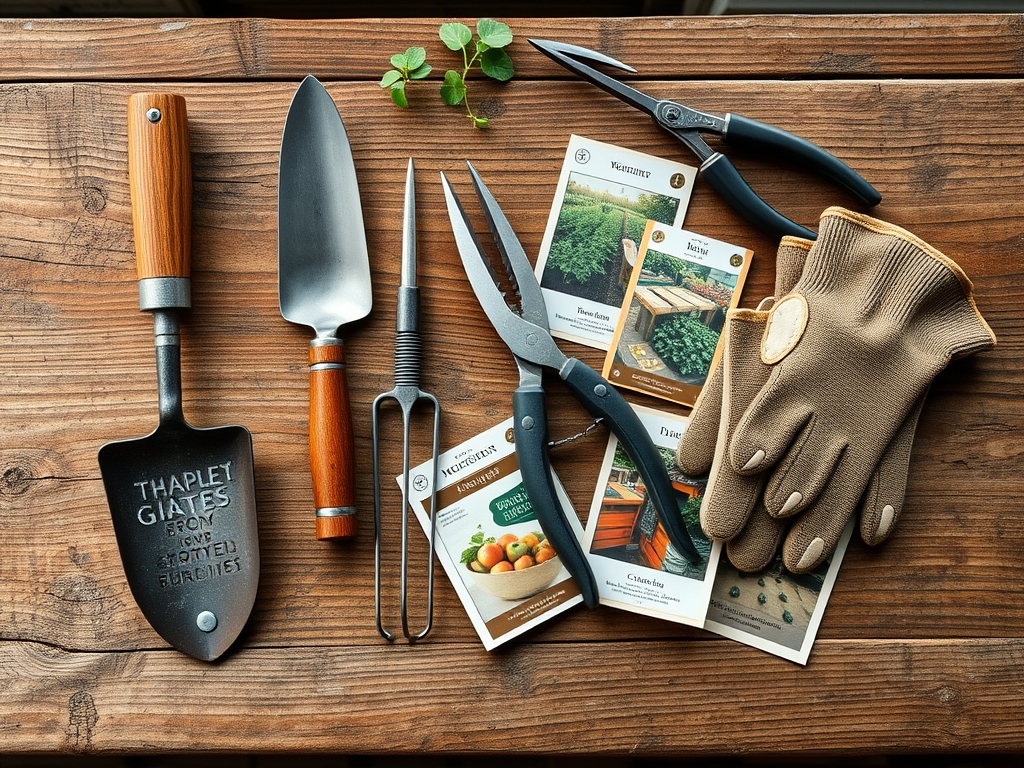
Materials:
The foundation of a vertical system is the substrate. You must achieve a **friable loam** texture that allows for rapid root penetration and gas exchange. Aim for a soil **pH between 6.0 and 7.0** to ensure maximum nutrient availability. High Cation Exchange Capacity (CEC) is vital for vertical growers that consume nutrients rapidly.
Prepare a specialized nutrient mix based on the specific needs of your climbers. For vegetative vigor, use an NPK ratio of 10-5-5. If you are growing flowering vines or fruiting crops like indeterminate tomatoes, transition to a 5-10-10 ratio to prioritize reproductive growth over foliage. Incorporate organic matter to achieve a bulk density of approximately 1.3 grams per cubic centimeter. This density provides enough resistance for root anchoring while maintaining a porosity of 50 percent for water and oxygen movement.
Timing:
Timing is dictated by the biological clock of your specific Hardiness Zone. In Zones 5 through 7, site preparation should begin 4 to 6 weeks before the last predicted frost. This window allows the soil to settle and the microbial community to stabilize after amendments are integrated.
The biological clock of the plant determines the installation deadline. Most climbers transition from the vegetative stage to the reproductive stage based on the photoperiod. You must have the trellis secured before the plant initiates "searcher" shoots. If the plant reaches the 12 inch height mark without support, it may experience a hormonal shift that stunts vertical elongation. Install the structure when soil temperatures consistently reach 55 degrees Fahrenheit at a 4 inch depth.
Phases:

Sowing and Site Excavation
Clear a radius of 24 inches around the trellis base. Excavate a post hole at least 18 inches deep for structural stability. If using a wall-mounted unit, ensure a 4 inch gap between the trellis and the facade to prevent fungal pathogens caused by stagnant air.
Pro-Tip: Utilize mycorrhizal symbiosis by dusting seeds or planting holes with Glomus intraradices. This fungus extends the root system's reach, increasing phosphorus uptake by up to 10 times.
Transplanting
When moving seedlings to the trellis base, maintain the integrity of the root ball. Dig a hole twice as wide as the container. Ensure the root flare sits exactly at the soil line to prevent stem rot. Firm the soil to remove large air pockets but avoid heavy tamping that destroys soil structure.
Pro-Tip: Position the main stem at a 45-degree angle toward the trellis. This utilizes phototropism, as the plant will naturally grow toward the light while being physically guided toward its support.
Establishing and Training
Once the plant reaches the trellis, use soft ties to secure the lead stems. Do not tie them tightly; allow for secondary thickening of the xylem and phloem tissues. Monitor the "nodes" where leaves meet the stem, as these are the primary sites for future lateral branching.
Pro-Tip: Use auxin suppression by pinching off the terminal bud if you require more lateral growth. Removing the apical meristem redirects growth hormones to axillary buds, creating a fuller, more robust vertical screen.
The Clinic:
Physiological disorders often manifest when vertical plants face environmental stress or nutrient imbalances.
Symptom: Interveinal chlorosis on older leaves (yellowing between green veins).
Solution: This indicates Magnesium deficiency. Magnesium is the central atom in the chlorophyll molecule.
Fix-It: Apply a foliar spray of 1 tablespoon of Epsom salts per gallon of water for immediate uptake.
Symptom: Necrosis at the leaf margins and weak stems.
Solution: This suggests Potassium deficiency, which regulates stomatal opening and water retention.
Fix-It: Amend the rhizosphere with sulfate of potash at a rate of 0.5 pounds per 100 square feet.
Symptom: Blossom end rot or tip burn on new growth.
Solution: This is a Calcium transport issue, often caused by inconsistent moisture levels rather than a lack of soil calcium.
Fix-It: Maintain steady soil moisture levels to ensure the transpiration stream can move calcium to the furthest plant tissues.
Maintenance:
Vertical landscapes require rigorous hydration management. Deliver 1.5 inches of water per week directly at the drip line. Use a soil moisture meter to verify that the root zone at a 6 inch depth remains at 60 to 80 percent field capacity.
For pruning, use bypass pruners for clean cuts that heal quickly. A hori-hori knife is the standard tool for weeding the base without disturbing the primary root architecture. Inspect the trellis anchors monthly; a mature Wisteria or grape vine can exert over 500 pounds of force during peak season. Remove any "dead wood" or senescent foliage immediately to prevent the harboring of pathogens.
The Yield:
When harvesting from a trellis, timing is everything. For flowering species, harvest when the first two petals begin to unfurl to ensure maximum vase life. For edible crops, harvest in the early morning when turgor pressure is at its peak and the plant is cool.
Use sharp snips to avoid tearing the vascular tissue. Post-harvest, submerge the cut ends in 40-degree Fahrenheit water immediately. This "hydro-cooling" removes field heat and slows the rate of respiration, preserving the sugars and cellular structure for "day-one" freshness. For perennial vines, leave at least 15 percent of the foliage to ensure the plant can store enough carbohydrates in the root system for winter dormancy.
FAQ:
How deep should trellis posts be buried?
Posts should be buried at least 18 to 24 inches deep. For heavy vines, use a depth equal to one third of the total height of the trellis. This ensures the structure can withstand high wind loads and plant weight.
What is the best NPK ratio for trellis plants?
Use a 10-5-5 ratio during the early vegetative stage to build strong stems. Switch to a 5-10-10 ratio once the plant reaches the top of the trellis to encourage flowering and fruiting rather than excess leaf production.
How do I prevent root rot at the trellis base?
Ensure the soil has a bulk density of 1.3 g/cm3 and avoid over-saturation. Use a soil moisture meter to keep the rhizosphere at field capacity. Never allow water to pool around the main stem or root flare.
Can I use treated wood for a trellis?
Use rot-resistant woods like cedar or redwood. If using pressure-treated lumber, ensure it is rated for ground contact and does not contain arsenic. For edible crops, metal or untreated cedar is the safest technical choice for the rhizosphere.