9 Steps to Prepare a New Landscape Garden Pond Site
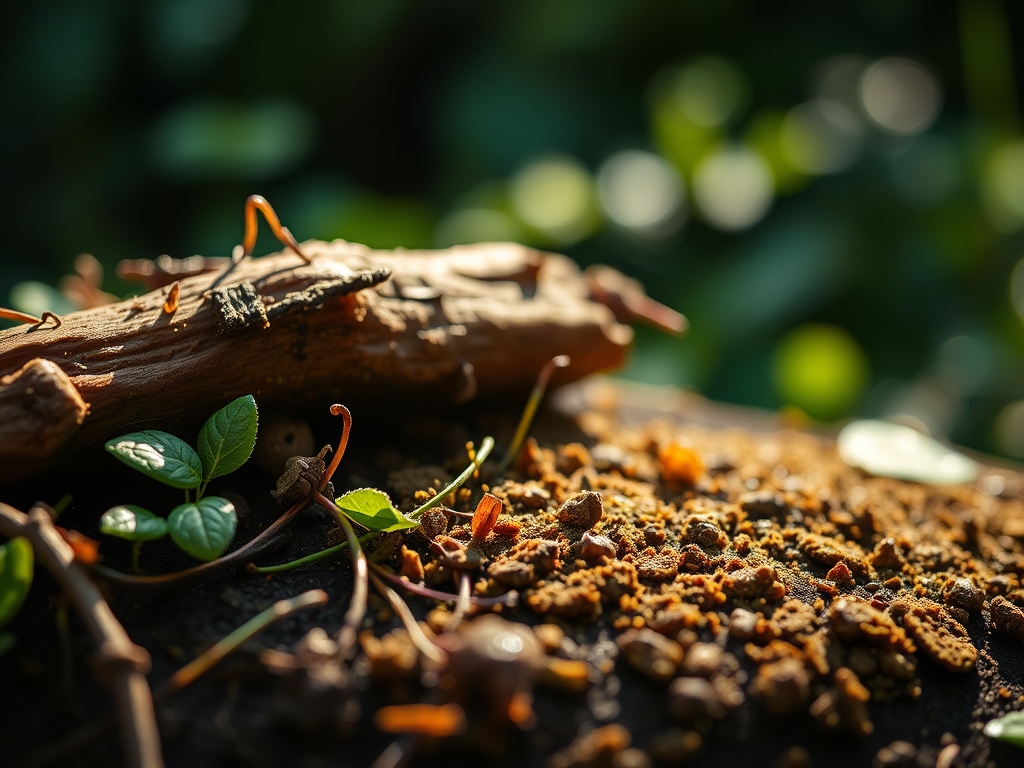
The smell of disturbed earth reveals the hidden chemical composition of your landscape. When you slice through the turf, you expose the rhizosphere; a complex network of fungal hyphae and bacterial colonies that dictate the health of your future aquatic ecosystem. Learning how to prepare a garden for a pond requires more than digging a hole. It demands an understanding of soil compaction, hydrostatic pressure, and the metabolic demands of marginal flora. Success depends on maintaining high turgor pressure in surrounding vegetation while ensuring the structural integrity of the basin.
Materials:
Substrate selection is the foundation of pond stability. You must analyze the soil texture to determine its Cation Exchange Capacity (CEC). Ideal pond-side soil is a friable loam with a **pH between 6.5 and 7.2**. Avoid heavy clays that may expand and contract, potentially compromising the pond liner.
For the surrounding planting beds, utilize a baseline NPK ratio of 5-10-5. This low nitrogen content prevents excessive vegetative runoff into the water, which would otherwise trigger algal blooms through eutrophication. Incorporate organic matter to achieve a soil density of approximately 1.2 to 1.5 grams per cubic centimeter. Ensure your aggregate for the base consists of 0.75-inch crushed stone to provide a stable, level footing that allows for minor gas escape from the decomposing organic matter beneath the liner.
Timing:
The biological clock for pond installation is dictated by your USDA Hardiness Zone. In Zones 4 through 7, the window for excavation opens once the ground has thawed and the soil moisture levels drop below the plastic limit. Attempting to dig in saturated soil leads to permanent compaction and destroys soil pore space.
The ideal period for establishing the biological filter is during the transition from vegetative to reproductive stages in local flora; typically late spring. This timing ensures that the ambient temperature remains between 55 and 70 degrees Fahrenheit, which is the optimal range for nitrifying bacteria like Nitrosomonas and Nitrobacter to colonize the filter media. Avoid late autumn installations in colder zones, as the lack of established root systems in marginal plants will lead to frost heaving during the freeze-thaw cycles of winter.
Phases:
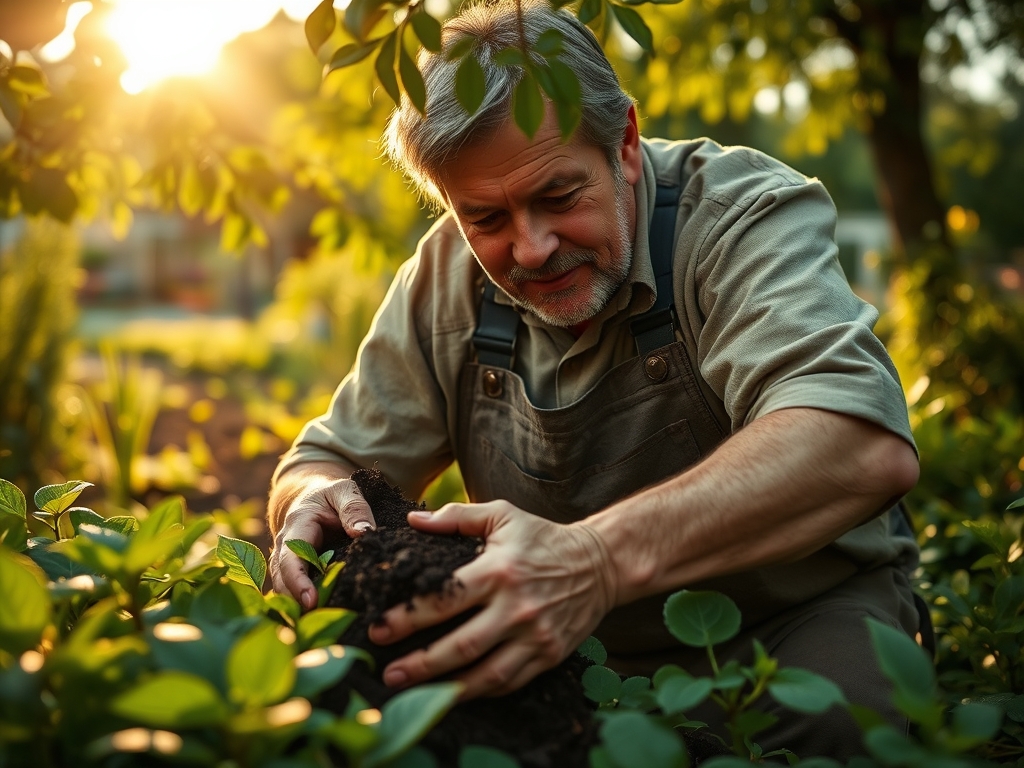
Sowing the Perimeter
Begin by marking the perimeter with a flexible hose or specialized marking paint. Remove the sod to a depth of 3 inches. If you are sowing a native buffer strip, use a seed drill or hand-broadcast seeds at a rate of 1 pound per 1,000 square feet.
Pro-Tip: Ensure seed-to-soil contact to trigger imbibition. This process is the first stage of germination where the seed coat absorbs water, activating the metabolic enzymes required for the embryo to break dormancy.
Transplanting Marginal Flora
When placing marginal plants into the pond shelves, ensure the crown of the plant is at the correct hydrostatic depth. Most marginals require a depth of 2 to 6 inches of water. Use aquatic baskets to prevent the escape of rhizomes into the pond liner.
Pro-Tip: When transplanting, avoid damaging the fine root hairs. These are the primary sites for mycorrhizal symbiosis, where fungi extend the reach of the root system to improve phosphorus uptake in exchange for plant sugars.
Establishing the Biological Balance
Once the pond is filled, wait 48 to 72 hours before adding any biological enhancers. This allows chlorine to dissipate and the water temperature to stabilize. Introduce submerged oxygenators at a density of one bunch per 2 square feet of surface area.
Pro-Tip: Maintain a high leaf area index for floating plants to limit light penetration. This suppresses the phototropic response in algae, preventing the microscopic organisms from dominating the water column.
The Clinic:
Physiological disorders in a new pond environment often stem from water chemistry or soil imbalances.
- Symptom: Interveinal chlorosis (yellowing leaves with green veins) in marginal plants.
- Solution: This indicates an Iron deficiency, often caused by a pH above 7.5. Lower the pH or use chelated iron supplements.
- Symptom: Soft, mushy stems at the water line.
- Solution: This is likely Pythium or another fungal pathogen. Improve water circulation and ensure the plant crown is not buried too deep in the substrate.
- Symptom: Stunted growth with purple-tinted foliage.
- Solution: Phosphorus deficiency. Fix this by applying a targeted 0-20-0 fertilizer directly to the root zone via aquatic spikes to prevent leaching into the water.
Fix-It: For general Nitrogen chlorosis (overall pale yellow leaves), check the oxygen levels. Anaerobic soil conditions prevent nitrogen uptake. Increase aeration using a 40-watt air pump and stone diffusers.
Maintenance:
Precision maintenance ensures the longevity of the ecosystem. Monitor the water level daily; evaporation can account for a loss of 0.25 inches per day in peak summer. Use a soil moisture meter to check the surrounding beds. They should maintain a consistent moisture level of 30% to 40%.
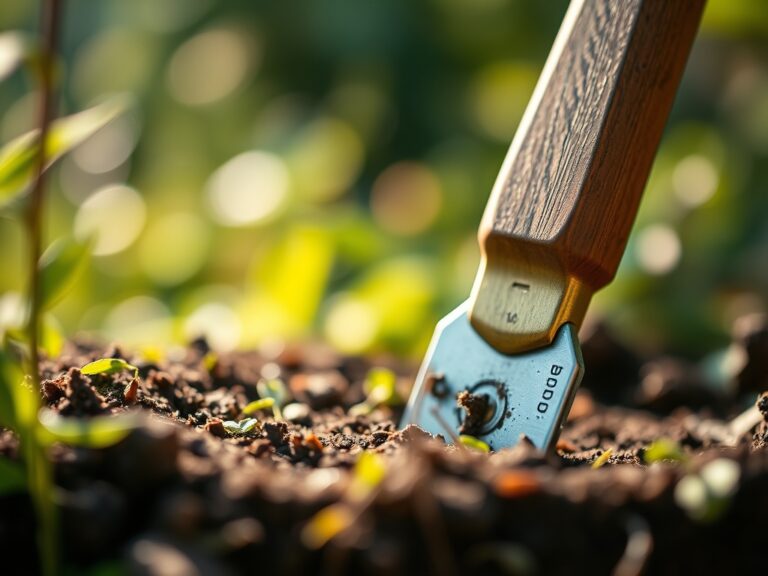
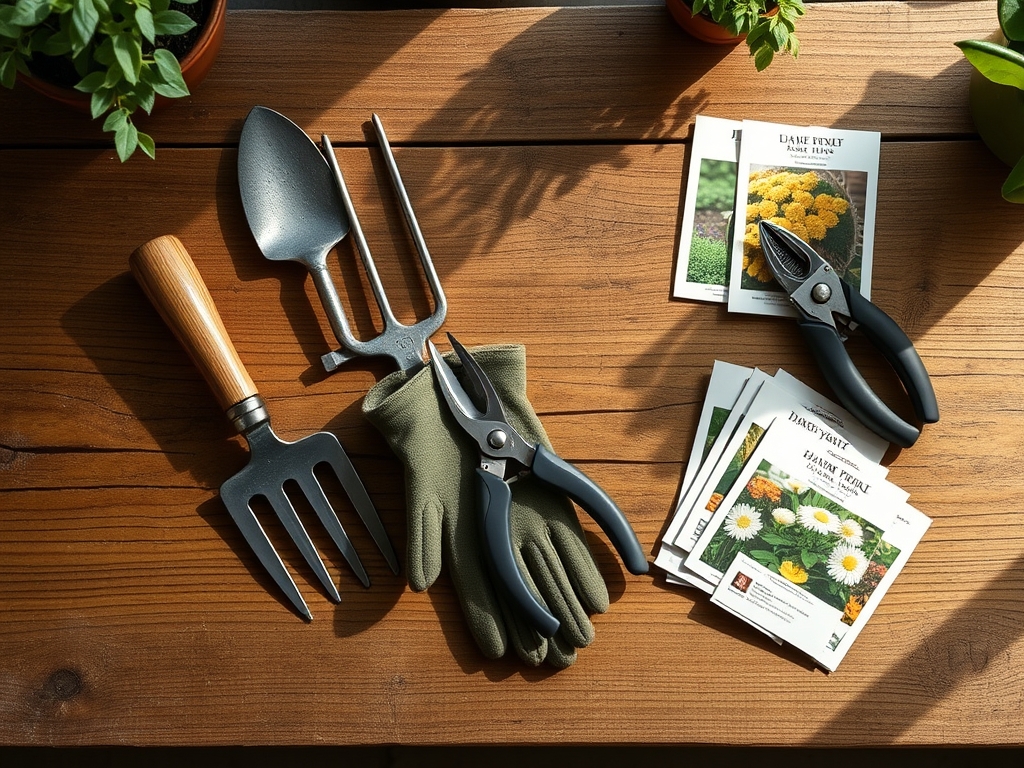
Prune decaying organic matter using bypass pruners to prevent it from falling into the water and increasing the biological oxygen demand (BOD). Use a hori-hori knife to divide overgrown rhizomatous plants every two to three years. Ensure you apply 1.5 inches of water per week at the drip line of any surrounding shrubs to maintain their structural integrity and prevent them from drawing moisture away from the pond's edge.
The Yield:
If your pond includes edible aquatic plants like Watercress (Nasturtium officinale), harvest during the vegetative stage before the plant bolts. Use sharp shears to cut the top 4 inches of growth. To maintain day-one freshness, submerge the cut ends in 40-degree Fahrenheit water immediately. This slows the rate of senescence and preserves the cellular turgor, keeping the greens crisp for consumption. For decorative lotus or lilies, harvest the blooms just as the first petal begins to unfurl to maximize vase life.
FAQ:
How deep should I dig a pond for fish?
In most climates, a minimum depth of 24 to 36 inches is required. This provides a thermal refuge where water remains at a stable temperature, preventing the entire column from freezing or overheating during seasonal extremes.
What is the best liner for a garden pond?
Use a 45-mil EPDM rubber liner. This material is UV resistant, highly flexible, and fish-safe. It withstands puncture better than PVC and accommodates the shifting of the soil without tearing or leaking.
How do I stop my pond from turning green?
Maintain a balance of 60% surface coverage using floating plants. This starves algae of sunlight. Additionally, ensure your filtration system cycles the total volume of the pond at least once every hour to maintain high dissolved oxygen levels.
Can I use tap water to fill my pond?
Yes, but you must neutralize the chlorine and chloramines. Use a liquid dechlorinator or allow the water to circulate for 48 hours before introducing plants or fish. This prevents chemical burns to sensitive gill membranes and leaf tissues.