8 Steps to Prepare a Landscape for a Permanent Garden Wall
The scent of damp, anaerobic clay often signals a failure in drainage before the first stone is even laid. Successful masonry integration requires a deep understanding of soil mechanics and plant physiology. When learning how to prepare a garden for a wall, you must first assess the turgor pressure of existing vegetation to ensure the root systems can withstand the mechanical stress of excavation. A permanent wall alters the microclimate by creating a heat sink and changing the hydrological flow of the rhizosphere. Proper preparation ensures that the soil structure remains aerated and that the Cation Exchange Capacity (CEC) is optimized to support the increased nutrient demands of plants situated against a new stone or concrete boundary.
Materials:

The foundation of a wall garden begins with the substrate. You require a **friable loam** consisting of 40 percent sand, 40 percent silt, and 20 percent clay. This ratio prevents compaction while maintaining moisture. Before installation, test the soil pH; most ornamental and structural plantings thrive in a **pH range of 6.2 to 6.8**.
For nutritional support, incorporate a slow-release fertilizer with an NPK ratio of 5-10-10 for root development or 10-10-10 for general maintenance. High phosphorus (the middle number) is essential for establishing the structural integrity of the root system near the wall footing. Use a soil moisture meter to calibrate the baseline hydration levels of the site. You will also need ASTM D448 No. 57 stone for a drainage base to prevent hydrostatic pressure from collapsing the wall or drowning the plant roots.
Timing:
Hardiness Zones 4 through 7 should initiate preparation in late autumn or early spring when the plants are in a state of senescence or dormancy. This timing reduces the risk of transplant shock. In Zones 8 through 10, timing must avoid the peak heat of summer to prevent excessive transpiration.
The biological clock of the garden is dictated by the photoperiod. Prepare the site when the plants are moving from the reproductive stage back to the vegetative stage or entering dormancy. This ensures that the plant's energy is stored in the root system rather than being expended on flower or seed production. Aim for a window at least six weeks before the first or last hard frost to allow for soil settling and microbial stabilization.
Phases:

Sowing and Soil Amendment
Clear the footprint of the wall and the adjacent three feet of planting space. Incorporate organic matter to increase the CEC, which allows the soil to hold onto essential cations like calcium and magnesium.
Pro-Tip: Mycorrhizal fungi should be inoculated into the soil at this stage. This creates a mycorrhizal symbiosis where the fungi extend the reach of the root system; this is vital for plants near walls where soil volume may be restricted.
Transplanting and Excavation
When digging the trench for the wall, use a hori-hori knife to cleanly prune any roots that extend into the construction zone. Ragged tears in root tissue are entry points for pathogens.
Pro-Tip: Apply a light dusting of auxin-based rooting hormone to pruned roots. This triggers auxin-induced cell elongation, forcing the plant to prioritize new root growth away from the construction site and deeper into the nutrient-rich subsoil.
Establishing the Microclimate
Once the wall is built, backfill with the specified friable loam. The wall will act as a thermal mass, radiating heat during the night.
Pro-Tip: Monitor for phototropism as plants may begin to lean away from the wall to maximize light capture. Strategic pruning of the canopy can balance the plant's center of gravity and prevent it from becoming top-heavy against the new structure.
The Clinic:
Physiological disorders often arise when the soil chemistry is altered by the leaching of lime from new concrete or mortar.
- Symptom: Interveinal chlorosis (yellow leaves with green veins) on new growth.
- Solution: This indicates Iron Deficiency often caused by high pH. Apply chelated iron and sulfur to lower the pH to the 6.5 range.
- Symptom: Marginal leaf burn or browning at the edges.
- Solution: This is typically Potassium Deficiency or salt accumulation. Flush the soil with 2 inches of water and apply a 0-0-50 sulfate of potash.
- Symptom: Stunted growth with purple tinting on the underside of leaves.
- Solution: Phosphorus Deficiency. This is common in cold, wet soils near new walls. Incorporate bone meal or a 0-20-0 superphosphate into the top 4 inches of soil.
Maintenance:
Precision is required to maintain a garden against a permanent wall. Deliver 1.5 inches of water per week directly at the drip line. Do not spray the wall itself; this can lead to efflorescence and fungal issues on the foliage. Use bypass pruners to maintain a 6-inch gap between the vegetation and the wall surface to allow for airflow. This prevents the "dead air" zone that encourages powdery mildew. Check the soil every three days with a soil moisture meter at a depth of 6 inches. If the meter reads below 30 percent capacity, initiate a deep watering cycle.
The Yield:
For those integrating edible perennials or cut flowers into the wall landscape, timing the harvest is a matter of cellular biology. Harvest during the early morning hours when turgor pressure is at its peak. This ensures the cells are fully hydrated, extending the shelf life of the produce. Use a sharp, sterilized blade to make a clean 45-degree cut, which maximizes the surface area for water uptake post-harvest. Immediately plunge the stems or produce into 40-degree Fahrenheit water to remove field heat and slow the rate of respiration.
FAQ:
How deep should the drainage layer be behind the wall?
Install a minimum of 12 inches of clean, angular gravel behind the wall. This prevents hydrostatic pressure and ensures the rhizosphere does not become waterlogged, which would lead to root rot and plant death.
Can I build a wall over existing tree roots?
Avoid cutting any roots larger than 2 inches in diameter. Excavating major structural roots can destabilize the tree and lead to vascular failure. Use a cantilevered wall design if significant roots are present in the footprint.
How does a wall affect soil temperature?
Concrete and stone walls act as thermal masses. They absorb solar radiation during the day and release it at night. This can raise the local soil temperature by 3 to 5 degrees Fahrenheit, potentially extending the growing season.
What is the best way to prevent weeds near the wall base?
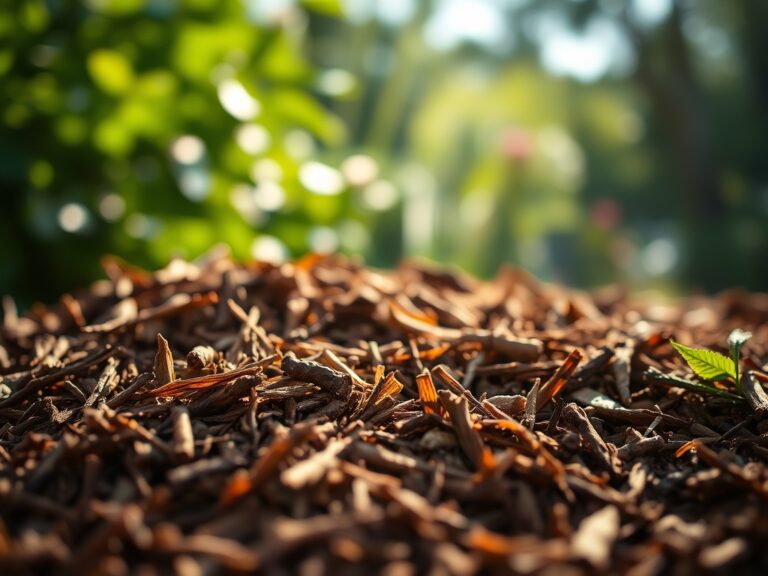
Apply a 3-inch layer of organic arborist chips or wood mulch. This suppresses weed germination by blocking light and maintains soil moisture. Keep mulch 2 inches away from plant stems to prevent crown rot.
How often should I test the soil pH near a new masonry wall?
Test the soil twice a year for the first two years. Mortar and concrete leach lime, which can rapidly increase alkalinity. Regular testing allows you to neutralize the pH before nutrient lockout occurs.