9 High-Performance Humidifiers for Indoor Tropicals
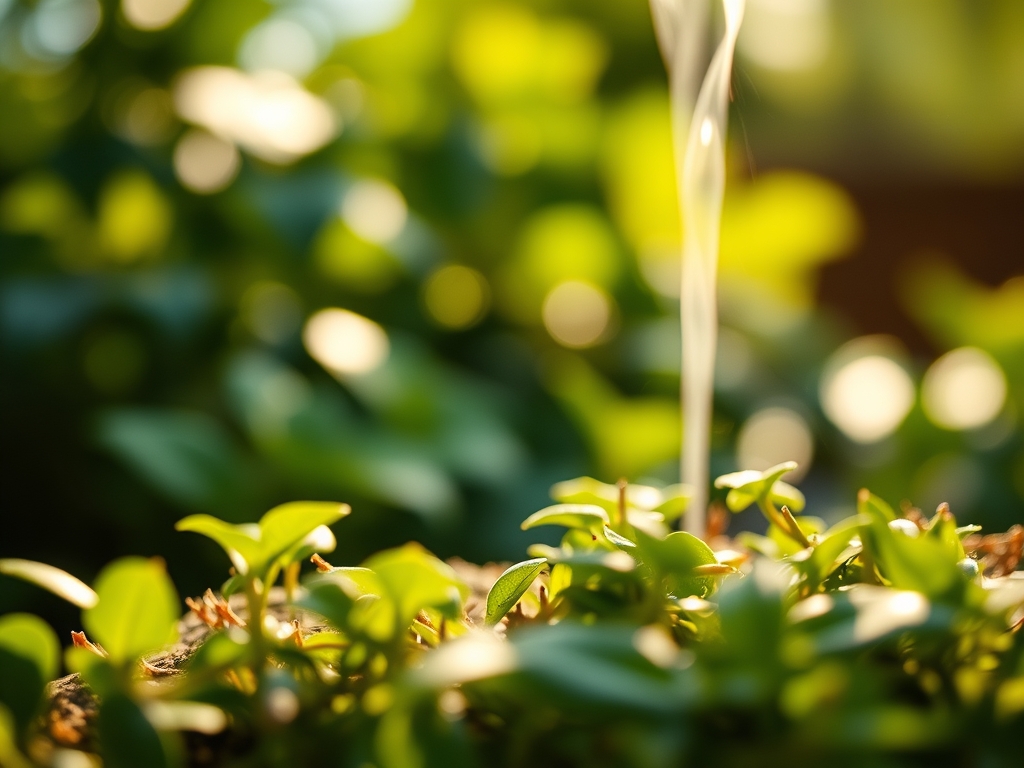
Turgor pressure dictates the structural integrity of tropical flora; when the cell walls of a Monstera deliciosa or a Calathea lose their internal fluid tension, the plant enters a state of flaccid senescence. The smell of damp earth and the heavy, saturated air of a conservatory are not merely aesthetic preferences but physiological requirements for transpiration control. High performance indoor gardening requires precise atmospheric regulation to prevent the desiccating effects of HVAC systems. Identifying the best plant humidifiers involves more than measuring water output; it requires an understanding of how vapor pressure deficit (VPD) affects the stomatal conductance of your collection. Maintaining a consistent relative humidity (RH) between 60% and 80% ensures that the rhizosphere remains hydrated while the foliage continues to exchange gases without excessive moisture loss. This guide examines the technical specifications of humidification systems designed to sustain high value botanical specimens in controlled environments. By stabilizing the microclimate, you minimize the risk of necrotic leaf margins and stunted growth cycles.
Materials:
Substrate composition is the foundation of moisture retention. For high humidity tropicals, the ideal medium is a **friable loam** with a high Cation Exchange Capacity (CEC). This ensures the soil can hold and release essential ions like ammonium and potassium. Aim for a soil pH between **5.8 and 6.5** to maximize nutrient bioavailability. A standard high performance mix should follow a specific NPK ratio of **3-1-2** during the vegetative phase to support lush foliar expansion. The physical texture must remain porous; incorporate **30% perlite or pumice** to prevent anaerobic conditions in the root zone. This structural porosity allows for rapid drainage while the humidified air prevents the top two inches of the medium from becoming hydrophobic.
Timing:
Indoor tropical cultivation bypasses traditional Hardiness Zones, yet the plants remain tethered to a biological clock influenced by the photoperiod. In North America, most indoor tropicals originate from regions equivalent to Zones 11 through 13, where frost is non-existent. The transition from the vegetative stage to the reproductive stage is often triggered by changes in light duration rather than temperature. During the winter months, when outdoor ambient humidity drops below 20%, the demand on your humidification system peaks. You must calibrate your equipment to offset the drying effect of forced-air heating, which can plummet the indoor dew point and cause immediate cellular stress.
Phases:
Sowing and Germination
Successful germination for tropical species requires a constant soil temperature of 75 to 80 degrees Fahrenheit. Use a heat mat to maintain this thermal baseline. The best plant humidifiers should be set to maintain 85% RH during this phase to prevent the delicate seed coat from hardening.
Pro-Tip: High humidity prevents the desiccation of the radicle. This is essential because the initial root hair development relies on a thin film of water for nutrient uptake via osmosis.
Transplanting
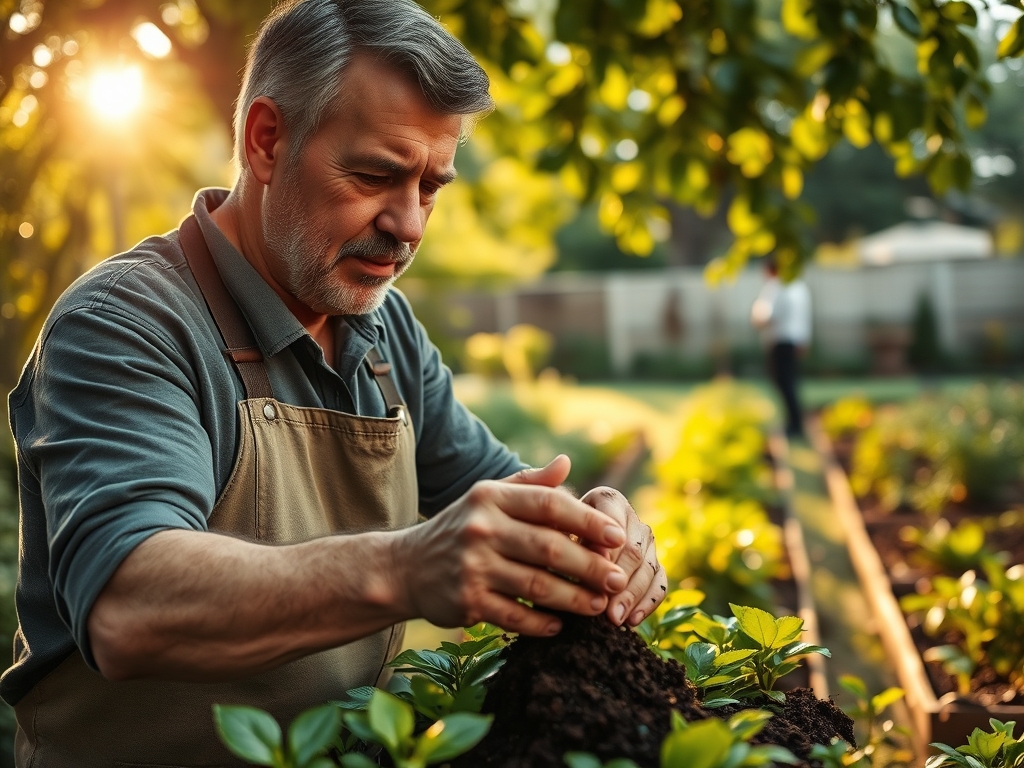
When moving a specimen to a larger vessel, the risk of transplant shock is high. Ensure the new substrate is pre-moistened to the point of field capacity. Handle the root ball carefully to avoid damaging the mycorrhizal fungi that have established a symbiotic relationship with the plant.
Pro-Tip: Maintaining high atmospheric humidity during transplanting reduces the transpiration load on the leaves. This allows the plant to redirect energy toward root establishment rather than struggling to maintain turgor.
Establishing
Once the plant is established, the focus shifts to maintaining steady growth. This requires a balanced NPK application and consistent moisture levels. Use a soil moisture meter to ensure the root zone does not drop below 40% saturation.
Pro-Tip: Consistent humidity levels suppress the production of abscisic acid. This hormone normally closes stomata to conserve water, but keeping it low allows for continuous CO2 intake and faster growth.
The Clinic:
Physiological disorders often manifest when the environment deviates from the plant's evolutionary niche.
Symptom: Tip Burn or Marginal Necrosis.
Solution: This is frequently caused by low humidity or the accumulation of mineral salts. Increase the output of your ultrasonic humidifier and flush the substrate with distilled water to lower the Electrical Conductivity (EC).
Symptom: Interveinal Chlorosis (Yellowing between veins).
Solution: This indicates a Magnesium deficiency. Apply a foliar spray of Epsom salts (magnesium sulfate) at a rate of one tablespoon per gallon to bypass root uptake issues.
Symptom: Leaf Abscission (Dropping leaves).
Solution: Sudden changes in vapor pressure deficit or temperature shocks cause this. Stabilize the environment at 72 degrees Fahrenheit and ensure your humidifier has an automated humidistat to prevent fluctuations.
Fix-It for Nitrogen Chlorosis: If older leaves turn pale green or yellow, the plant is scavenging nitrogen for new growth. Apply a liquid fertilizer with a high first digit in the NPK ratio, such as 10-5-5, to restore chlorophyll production.
Maintenance:
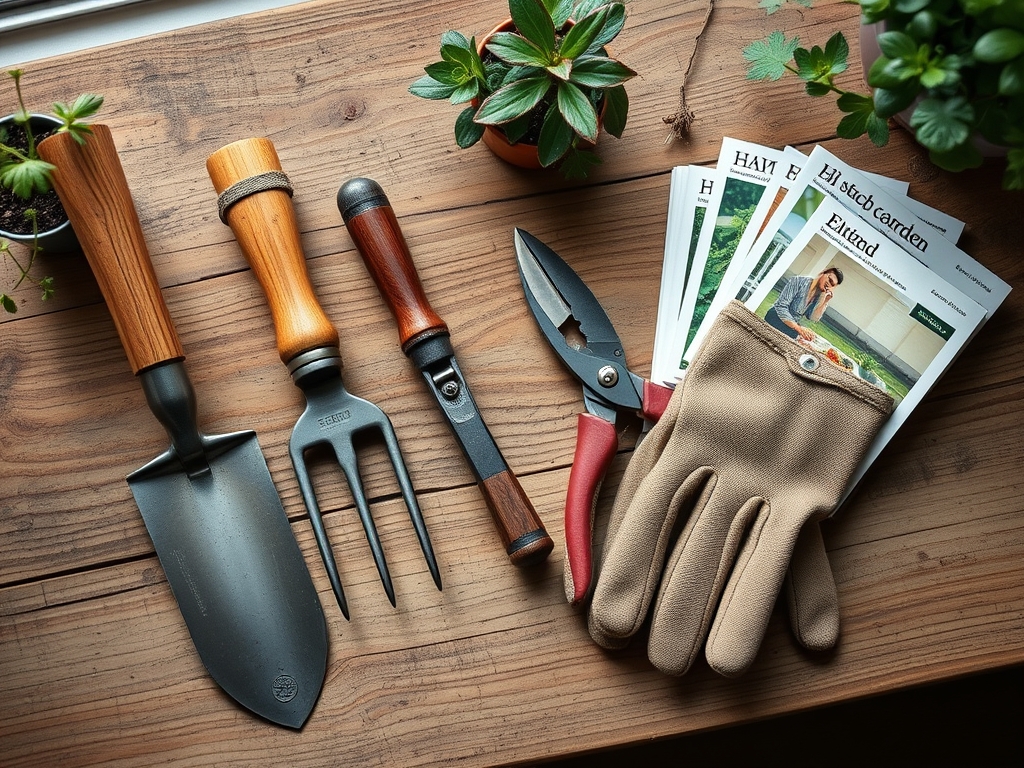
Precision maintenance defines the success of an indoor jungle. Use a soil moisture meter daily to monitor the hydration of the rhizosphere. Most tropicals require approximately 1.5 inches of water per week, delivered directly at the drip line to ensure even distribution through the root mass. For pruning, utilize bypass pruners to make clean cuts that heal quickly; ragged tears invite pathogens. When repotting or checking for root bound conditions, a hori-hori knife is the superior tool for slicing through compacted soil and circling roots. Clean your humidifier tanks weekly with a 10% bleach solution or white vinegar to prevent the buildup of biofilm and mineral scale, which can harbor bacteria and reduce the efficiency of the ultrasonic transducer.
The Yield:
For those cultivating tropical flowering plants like Hoya or Orchids, the yield is the bloom. To maximize floral longevity, reduce the NPK ratio to a "bloom booster" formula such as 5-30-20 once buds appear. High phosphorus levels support the metabolic demands of flowering. When the blooms reach peak anthesis, maintain humidity at a steady 60%; excessively high moisture can lead to botrytis on delicate petals. If harvesting flowers for display, cut the stems at a 45-degree angle under lukewarm water to prevent air embolisms in the xylem. This technique ensures day-one freshness by maintaining the hydraulic link between the vase water and the flower head.
FAQ:
What is the ideal humidity for most tropical plants?
Most tropical species thrive when relative humidity is maintained between 60% and 80%. Dropping below 50% often results in brown leaf tips and slowed growth due to increased transpiration stress and stomatal closure.
Can I use tap water in my plant humidifier?
Tap water contains minerals that create "white dust" and clog the machine. Use distilled or demineralized water to protect the ultrasonic plate and prevent mineral buildup on the foliage, which can interfere with photosynthesis.
How do I know if my plant has too much humidity?
Excessive humidity above 90% without adequate airflow leads to fungal pathogens and edema. Look for soft, mushy spots on leaves or grey mold. Use a small fan to ensure gentle air circulation in the room.
Where should I place the humidifier for best results?
Position the unit 3 to 5 feet away from the plants. Placing it too close can cause localized over-saturation and leaf rot; placing it too far reduces the effectiveness of the moisture plume in the plant's microclimate.