8 Reasons to Use Specialized Cactus Soil
The scent of dry silica and the gritty texture of crushed pumice define the environment where xeric plants thrive. When you press your thumb against the epidermis of a healthy Echinocactus grusonii, the resulting resistance indicates high turgor pressure within the specialized water storage tissues. Maintaining this internal hydraulic pressure requires a substrate that facilitates rapid drainage while providing essential mineral anchors. Using a specialized cactus soil ensures the delicate root hairs are not smothered by anaerobic conditions found in standard peat based mixes. Standard potting soils often retain moisture for over ten days; this prolonged saturation leads to the immediate collapse of the cellular walls in the root cortex. A professional grade cactus substrate must achieve a balance between capillary action and gravitational drainage. By prioritizing a mineral heavy composition, you regulate the oxygen levels within the rhizosphere. This prevents the onset of opportunistic fungal pathogens that target weakened plant cells. The goal is to replicate the high porosity of arid landscapes where moisture is a fleeting resource and mineral availability is dictated by the slow weathering of parent rock.
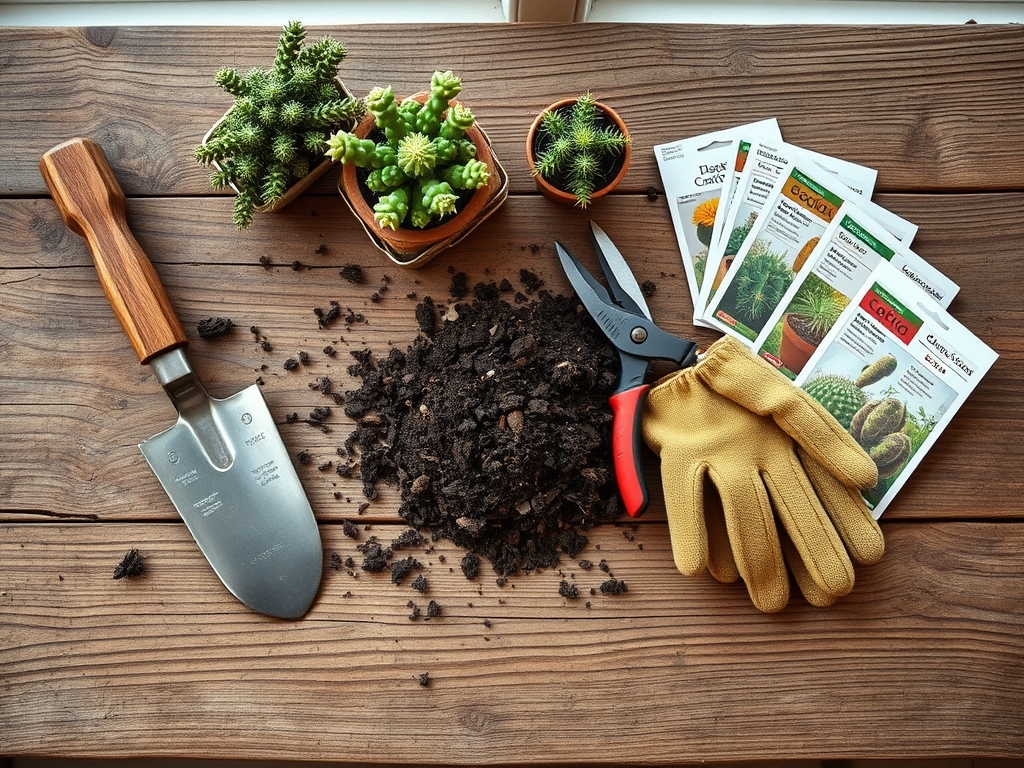
Materials:
The chemical composition of your substrate must remain slightly acidic to neutral; aim for a **pH range between 5.5 and 6.5**. This acidity level is critical for the solubility of micronutrients like iron and manganese. Specialized cactus soil should possess a low Cation Exchange Capacity (CEC) to prevent the buildup of salts that can desiccate root tissues. The ideal NPK ratio for these slow growing species is **1-2-2 (such as 5-10-10)**. High nitrogen levels are detrimental as they force rapid, weak growth that is susceptible to epidermal splitting.
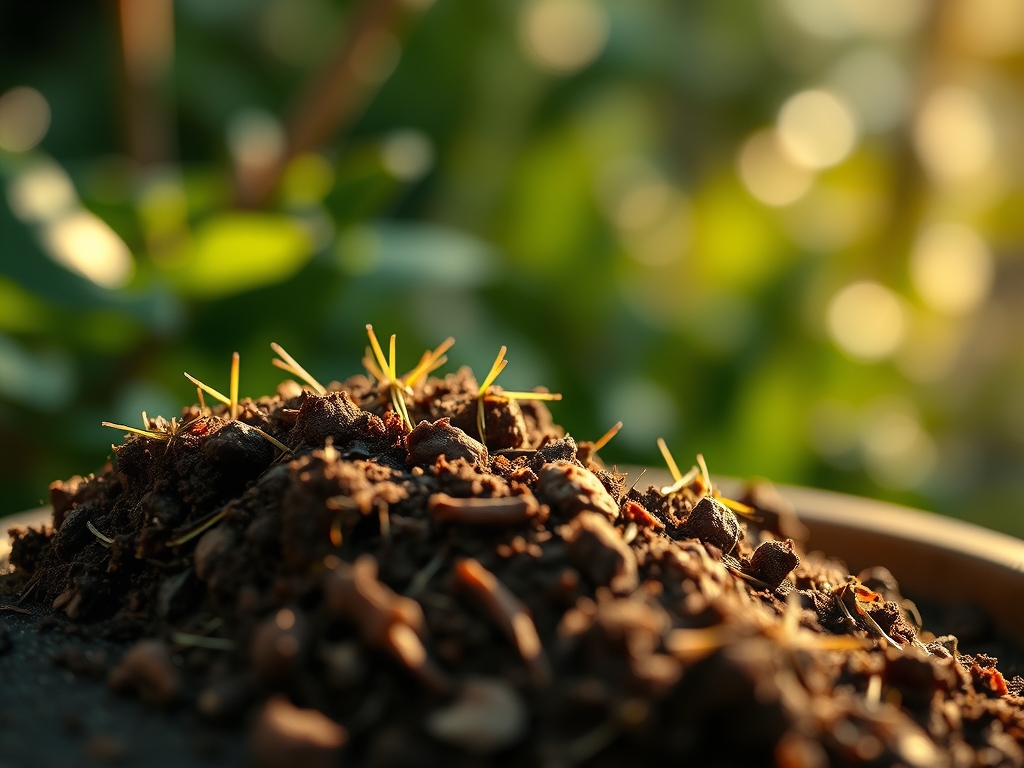
The physical texture must be a friable loam mixed with inorganic aggregates. A professional blend typically consists of 40 percent inorganic material such as horticultural grade perlite, pumice, or calcined clay. The remaining 60 percent should be a mix of coarse sand and composted pine bark. Avoid fine sand, which can clog the macropores and lead to compaction. The resulting substrate should crumble immediately when squeezed, even when moist, ensuring that the root system has constant access to atmospheric oxygen.
Timing:
Successful cultivation depends on aligning your horticultural interventions with the plant's metabolic cycle. In Hardiness Zones 8 through 11, many cacti can remain outdoors year round, provided the soil remains dry during cold snaps. For those in Zones 3 through 7, the transition from the indoor winter environment to the outdoor summer location must occur after the last frost date, typically when night temperatures consistently stay above 50 degrees Fahrenheit.
The biological clock of a cactus is governed by the photoperiod. As daylight hours increase in the spring, the plant moves from a dormant state into a vegetative state. This is the optimal window for repotting. During this transition, the plant increases its uptake of potassium to strengthen cell walls in preparation for new growth. Avoid heavy watering or transplanting during the late autumn senescence, as the plant's metabolic rate drops and its ability to process moisture via transpiration is significantly reduced.
Phases:
Sowing
Begin by surface sowing seeds on a finely sifted version of specialized cactus soil. The seeds require light to trigger germination; do not bury them. Maintain a consistent temperature of 70 to 80 degrees Fahrenheit. Use a misting bottle to keep the surface damp but not saturated.
Pro-Tip: Cactus seedlings rely on high humidity during the first six months. This is because their shallow root systems have not yet developed the protective suberin layer found in mature plants. Keeping the environment humid prevents desiccation before the primary taproot can establish itself.
Transplanting
When the seedling or offset reaches approximately one inch in diameter, move it to a permanent container. Ensure the new pot is only one inch wider than the root ball to prevent excess soil from holding unused moisture. Using a specialized cactus soil during this phase provides the mechanical stability needed for the plant to anchor itself without the risk of root rot.
Pro-Tip: After transplanting, wait at least seven days before watering. This allows any micro-fractures in the root system to callus over. Introducing water immediately to wounded roots provides an entry point for Pythium and other soil borne pathogens.
Establishing
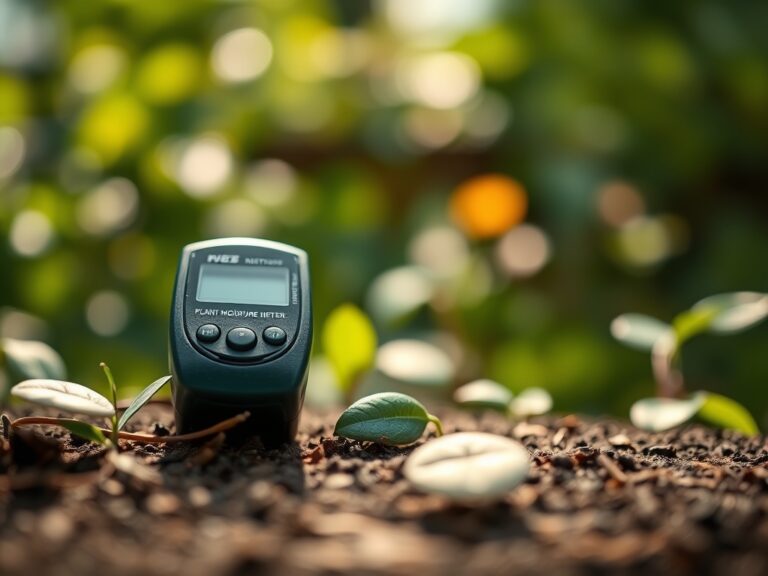
An established cactus requires a strict wet and dry cycle. The substrate must dry out completely between waterings. Use a soil moisture meter to verify that the bottom third of the pot is dry before adding more water. During the peak growing season, the plant will utilize the minerals in the specialized soil to build a thick waxy cuticle.
Pro-Tip: Cacti exhibit crassulacean acid metabolism (CAM). They open their stomata at night to take in carbon dioxide, minimizing water loss. Placing the plant in an area with good nocturnal airflow enhances this gas exchange and prevents the buildup of heat in the core of the plant.
The Clinic:
Monitoring the physiological state of your cacti allows for early intervention before permanent damage occurs.
- Symptom: Soft, blackened base (Root Rot).
- Solution: This is caused by anaerobic bacteria in saturated soil. Remove the plant, cut away the necrotic tissue with a sterilized hori-hori knife, and repot in fresh, dry specialized cactus soil.
- Symptom: Pale, elongated growth (Etiolation).
- Solution: This is a phototropic response to low light. Gradually move the plant to a higher light intensity over 14 days to prevent epidermal scorching.
- Symptom: Yellowing of the lower stem (Nitrogen Chlorosis).
- Solution: Apply a low nitrogen, water soluble fertilizer at half strength. Ensure the soil pH is within the 5.5 to 6.5 range to ensure the nitrogen is bioavailable.
- Symptom: Corking or brown, bark-like patches.
- Solution: If the tissue is firm, this is a natural sign of aging or "senescence." No action is needed. If the tissue is soft, it indicates a fungal infection requiring a copper based fungicide.
Maintenance:
Precision is the hallmark of cactus maintenance. During the active growing season (April through September), provide approximately 1.5 inches of water every two weeks, ensuring the water reaches the drip line of the plant. In winter, reduce watering to once every six weeks or stop entirely for certain species.
Use a soil moisture meter regularly to calibrate your watering schedule against the evaporation rate of your specific microclimate. When pruning dead flowers or removing offsets, use bypass pruners that have been cleaned with isopropyl alcohol to prevent cross contamination. If you notice the soil has become hydrophobic (repelling water), use the tip of a hori-hori knife to gently aerate the top inch of the substrate, allowing water to penetrate to the rhizosphere.
The Yield:
For those growing fruiting species like Opuntia, harvest occurs when the fruit reaches a deep purple or red hue and yields slightly to pressure. Use tongs or heavy gloves to avoid glochids. To maintain "day-one" freshness, store the harvested fruit in a cool, dry place at 50 degrees Fahrenheit. Do not wash the fruit until immediately before use, as moisture on the skin can accelerate the breakdown of the protective cuticle and lead to premature spoilage.
FAQ:
Can I use regular potting soil for my cactus?
No. Regular soil retains too much moisture and lacks the necessary inorganic aggregates. Using a specialized cactus soil provides the drainage and aeration required to prevent root rot and maintain cellular turgor pressure.
How often should I repot my cactus?
Most cacti should be repotted every two to three years. This refreshes the mineral content of the substrate and prevents the soil from becoming overly compacted, which can restrict oxygen flow to the rhizosphere.
What is the best NPK ratio for cactus soil?
Look for a low nitrogen ratio such as 5-10-10 or 1-2-2. High nitrogen levels cause weak, bloated growth that is susceptible to pests and environmental stress. Phosphorus and potassium support root health and flowering.
Why does my cactus soil feel like a rock?
This indicates compaction or a high peat content that has become hydrophobic. Use a hori-hori knife to aerate the surface or repot the plant in a specialized mix with more pumice and coarse sand to improve structure.