9 Best Functional Mulch for Professional Landscapes
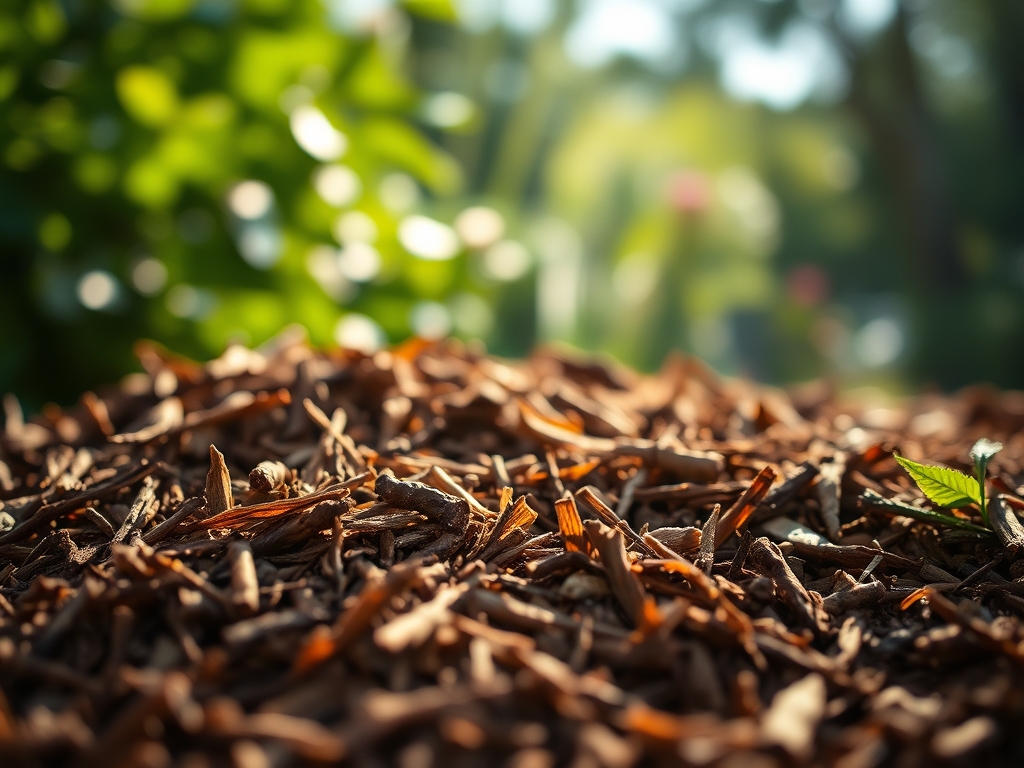
The smell of damp earth after a rainstorm signifies more than just moisture; it indicates the activation of billions of microorganisms within the rhizosphere. When a plant maintains optimal turgor pressure, its leaves stand rigid and efficient, maximizing photosynthetic capacity. Achieving this level of physiological health requires selecting the best mulch for landscape design to regulate soil temperature and moisture. Professionals do not view mulch as a cosmetic finish but as a functional layer that dictates the chemical and biological trajectory of the soil. A three inch layer of organic material can reduce evaporation by up to 70 percent while suppressing competitive weed growth that would otherwise steal nitrogen from the primary crop. Success in the field depends on understanding the specific gravity, decomposition rate, and carbon to nitrogen ratio of the substrate.
Materials:
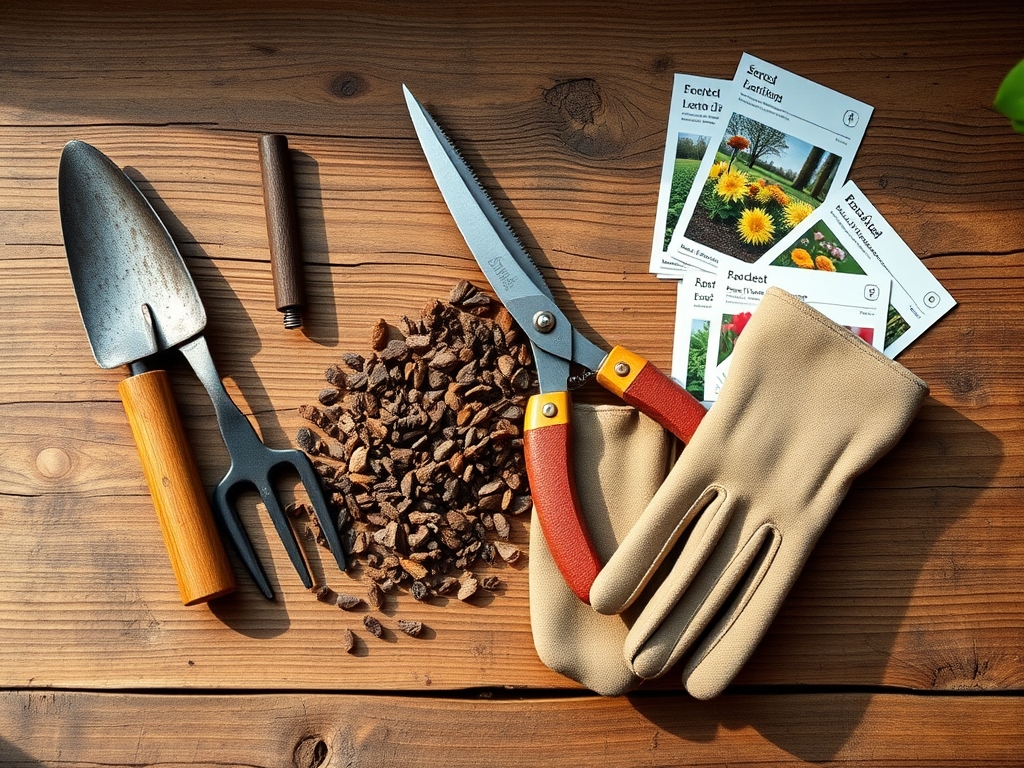
Selecting the correct substrate requires a deep analysis of Soil Cation Exchange Capacity (CEC) and the target pH. For acid-loving species like *Ericaceae*, pine bark nuggets are superior due to their acidic runoff and slow decomposition rate. In contrast, hardwood mulches offer a more neutral pH profile but consume more nitrogen during the breakdown process.
- Arborist Wood Chips: High carbon to nitrogen ratio (approx. 500:1). Ideal for established woody perennials.
- Pine Straw: pH range of 3.5 to 4.5. Excellent for increasing acidity in alkaline soils.
- Composted Leaf Mold: NPK ratio of roughly 1-0.5-0.5. Provides immediate microbial inoculation.
- Straw (Seedless): Best for seasonal vegetable production; reflects light to the underside of leaves.
- Buckwheat Hulls: Fine texture, neutral pH, and high density; resists wind displacement.
- Double-Shredded Hardwood: High surface area for rapid fungal colonization.
- Pumice or Lava Rock: Inorganic; zero NPK value but provides permanent aeration and drainage.
- Alfalfa Meal/Pellets: High nitrogen content (approx. 3-1-2) and contains triacontanol, a natural growth stimulant.
- Coco Coir: High water retention; neutral pH; ideal for tropical landscape designs.
The ideal substrate should be applied over a friable loam that allows for gas exchange. If the soil is compacted, the mulch layer will exacerbate anaerobic conditions, leading to root rot.
Timing:
Application timing must align with USDA Hardiness Zones and local frost dates. In Zones 5 through 7, the primary application window occurs in late spring after the soil has warmed to at least 55 degrees Fahrenheit. Applying mulch too early in the spring traps winter cold in the ground, delaying the "Biological Clock" and the transition from the vegetative stage to the reproductive stage.
For winter protection in colder zones, apply a secondary layer after the first hard freeze to insulate the root zone against heave-thaw cycles. This prevents the mechanical snapping of fine root hairs. During the summer solstice, monitor the photoperiod; as days shorten, the plant begins its descent into senescence. A fresh application of mulch at this stage can help maintain the soil temperature, extending the root growth phase even as the canopy begins to dormant.
Phases:

Sowing
When direct-seeding, use a very fine mulch like screened compost or vermiculite. Large wood chips will physically obstruct the hypocotyl as it emerges from the soil. Maintain a depth of no more than 0.25 inches over the seed line.
Pro-Tip: Use a light-colored mulch to increase albedo. This reflects sunlight toward the emerging cotyledons, stimulating phototropism and preventing leggy, etiolated growth.
Transplanting
When moving a plant from a container to the field, the mulch must be kept at least three inches away from the stem. This prevents moisture from sitting against the bark, which can cause fungal cankers.
Pro-Tip: Inoculate the mulch-soil interface with mycorrhizal fungi. This creates a mycorrhizal symbiosis that expands the root system's surface area by up to 1,000 times, improving phosphorus uptake.
Establishing
During the first 45 days, the plant focuses on root expansion. A thick mulch layer reduces the need for frequent irrigation, which can leach mobile nutrients like nitrates out of the root zone.
Pro-Tip: Avoid high-nitrogen mulches during the early establishment of woody plants to prevent auxin suppression. Excessive nitrogen can prioritize soft top growth over the sturdy root development needed for long-term stability.
The Clinic:
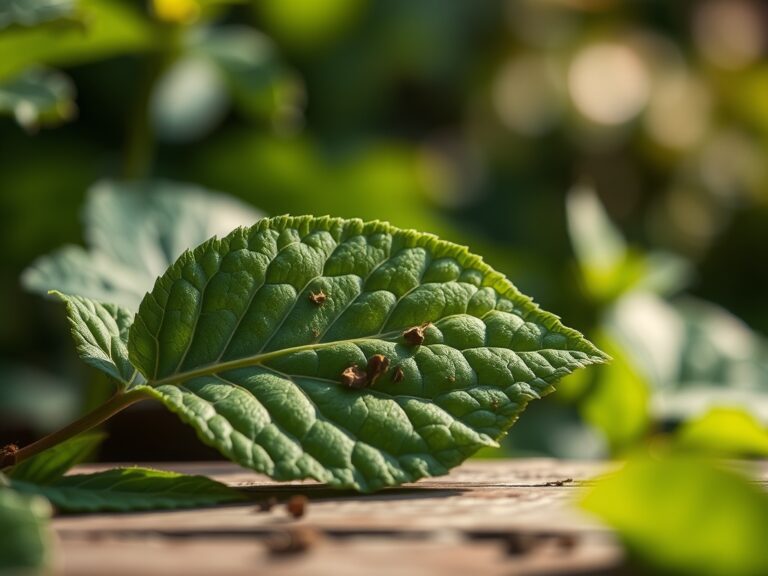
Physiological disorders often manifest as visual cues in the foliage. Use the following diagnostic guide to troubleshoot issues related to improper mulching or soil chemistry.
Symptom: Interveinal chlorosis (yellowing between leaf veins) on new growth.
Solution: This indicates an Iron or Manganese deficiency, often caused by high soil pH.
Fix-It: Incorporate elemental sulfur or use an acidic pine-based mulch to lower the pH to a range of 5.5 to 6.5.
Symptom: Uniform yellowing of older leaves (Nitrogen chlorosis).
Solution: "Nitrogen Robbing" occurs when microbes use soil nitrogen to break down high-carbon wood chips.
Fix-It: Apply a liquid fertilizer with an NPK of 10-0-0 directly to the soil surface before reapplying mulch.
Symptom: Slime mold or "Artillery Fungus" appearing on the mulch surface.
Solution: This indicates excessive moisture and lack of airflow within the substrate.
Fix-It: Use a hori-hori knife to agitate the mulch layer, breaking up the hydrophobic mycelial mat and allowing the soil to breathe.
Maintenance:
Professional maintenance requires precision. Use a soil moisture meter twice weekly to ensure the root zone remains at 60 to 80 percent field capacity. Most landscape plants require 1.5 inches of water per week delivered at the drip line. Avoid overhead irrigation; use drip emitters placed beneath the mulch layer to prevent evaporation and fungal spores from splashing onto the foliage.
Annually, check the depth of the mulch. As it decomposes, it contributes to the organic matter of the soil but loses its ability to suppress weeds. Use bypass pruners to remove any "adventitious roots" that have grown upward into the mulch layer instead of downward into the soil. This ensures the plant remains drought-tolerant.
The Yield:
For landscapes involving edible crops or floral harvests, timing is critical. Harvest flowers in the early morning when turgor pressure is at its peak. This ensures the stems are rigid and the blooms last longer. Use a sharp, sterilized blade to make a 45-degree cut, maximizing the surface area for water uptake.
For fruit-bearing plants, the mulch layer should be kept clean of fallen debris to prevent the overwintering of pathogens. Post-harvest, provide a "recovery" mulch of composted manure to replenish the nutrients exported during the harvest. This sets the stage for the next season's bud set.
FAQ:
What is the best mulch for weed suppression?
A dense, double-shredded hardwood mulch applied at a depth of three inches is most effective. It creates a physical barrier and blocks the light required for weed seed germination while maintaining soil gas exchange.
How do I prevent mulch from souring?
Avoid piling mulch deeper than four inches. Souring occurs when anaerobic conditions create acetic acid. Use a hori-hori knife to turn the mulch every few months, ensuring oxygen reaches the soil surface and prevents toxic buildup.
Can mulch change my soil pH?
Yes. Pine-based mulches slowly lower pH over several years, making them ideal for acid-loving plants. Conversely, hardwood mulches tend to be neutral or slightly alkaline as they decompose. Always conduct a soil test every two years.
Does mulch attract wood-boring insects?
Most wood-boring insects prefer large, decaying logs rather than shredded mulch. However, keeping mulch three to six inches away from a building's foundation and plant stems prevents a bridge for moisture-seeking insects to enter the structure.