7 Organic Steps to Treat Leaf Spot with Fungicides
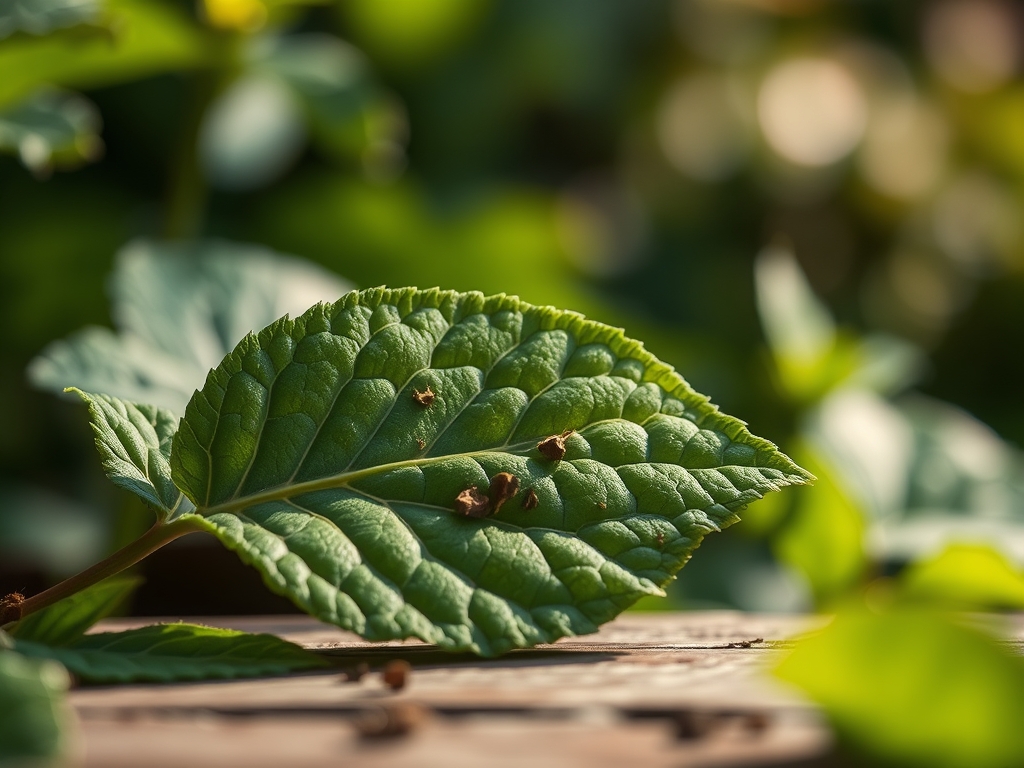
The smell of damp earth and the crisp turgor of a healthy leaf define a successful garden; however, the sudden appearance of necrotic lesions can collapse a plant's vascular integrity within days. Pathogens like Septoria or Cercospora thrive in high humidity, attacking the foliage and reducing photosynthetic efficiency. Understanding the precise steps for treating leaf spot with fungicide ensures you stop the spread before systemic failure occurs. This process requires a disciplined approach to moisture management and chemical application.
Materials:
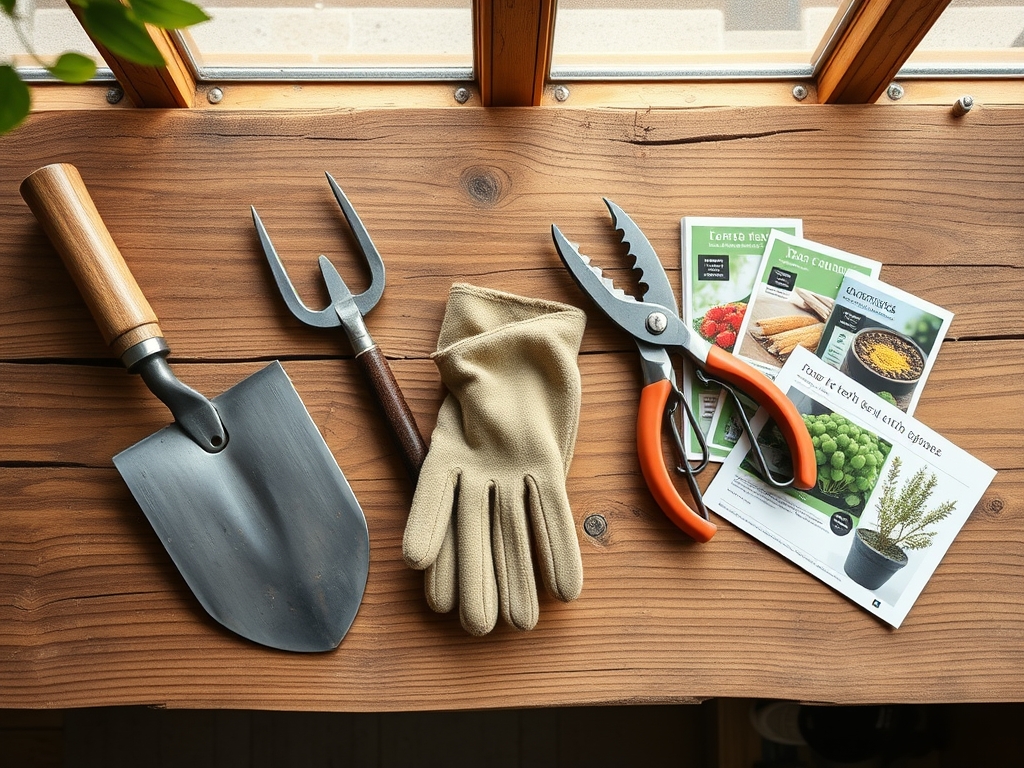
Success begins with the substrate. Most garden crops prone to leaf spot, such as tomatoes or roses, require a friable loam with a Soil Cation Exchange Capacity (CEC) between 15 and 25 meq/100g. The soil pH must be maintained between 6.2 and 6.8 to ensure micronutrient availability.
For the organic treatment of fungal pathogens, assemble the following:
- Fixed Copper Fungicide: Essential for denaturing fungal proteins.
- Potassium Bicarbonate: Disrupts the cell wall of spores.
- Neem Oil: Contains azadirachtin to act as a surfactant and mild fungicide.
- High-Nitrogen Fertilizer (NPK 10-5-5): Used post-treatment to stimulate new vegetative growth.
- Balanced Fertilizer (NPK 5-10-10): Applied during the reproductive phase to support fruit development without over-stimulating soft, disease-prone foliage.
Timing:
Timing is governed by the Hardiness Zone and the local dew point. In Zones 5 through 8, the highest risk for leaf spot occurs when nighttime temperatures remain above 60 degrees Fahrenheit with relative humidity exceeding 85 percent.
The "Biological Clock" of the plant also dictates treatment efficacy. You must apply fungicides during the vegetative stage before the plant shifts its energy toward senescence or fruit production. Once a plant enters the reproductive phase, its ability to recover leaf area decreases significantly. Apply treatments in the early morning, specifically between 5:00 AM and 8:00 AM, to allow the foliage to dry before the sun reaches its zenith.
Phases:

Sowing and Site Preparation
Ensure the rhizosphere is well-aerated by incorporating organic matter. Spacing is the primary defense against fungal spores. For large perennials, maintain a minimum of 24 inches of clearance to allow for laminar airflow.
Pro-Tip: Proper spacing prevents the "boundary layer" effect. When air stagnates around leaves, transpiration slows down, and humidity rises, creating a microclimate that facilitates spore germination through hydrotropism.
Transplanting and Initial Treatment
When moving seedlings to the field, dip the root ball in a mycorrhizal inoculant. If leaf spot is endemic to your region, apply a preventative spray of Bacillus subtilis at a concentration of 2 ounces per gallon of water.
Pro-Tip: Mycorrhizal fungi form a symbiotic relationship that increases the surface area of the root system. This improves the uptake of phosphorus, which strengthens the cell walls and increases the plant's resistance to mechanical penetration by fungal hyphae.
Establishing and Active Treatment
Once symptoms appear, implement the steps for treating leaf spot with fungicide immediately. Prune the lower 12 inches of foliage to prevent soil-borne spores from splashing onto the canopy. Apply the organic fungicide every 7 to 10 days, ensuring total coverage of both the adaxial and abaxial leaf surfaces.
Pro-Tip: Removing lower leaves suppresses auxin production in the base of the plant, which can encourage more robust upward growth and better vertical air circulation.
The Clinic:
Diagnosing the specific physiological disorder is critical for choosing the right intervention.
- Symptom: Small, circular brown spots with yellow halos on lower leaves.
- Solution: This is likely Early Blight. Apply Copper Octanoate at a rate of 0.5% to 1% solution every week.
- Symptom: Interveinal chlorosis (yellowing between leaf veins) while veins remain green.
- Solution: This indicates a Magnesium deficiency. Apply Epsom salts (Magnesium Sulfate) at a rate of 1 tablespoon per gallon as a foliar spray to restore chlorophyll production.
- Symptom: Marginal leaf burn or necrosis on young growth.
- Solution: This suggests Calcium deficiency, often caused by erratic watering. Maintain consistent soil moisture to ensure the steady transport of calcium through the xylem.
- Symptom: General yellowing of the oldest leaves (Nitrogen Chlorosis).
- Fix-It: Apply a liquid fish emulsion with an NPK of 5-1-1 to provide immediate bioavailable nitrogen to the roots.
Maintenance:
Precision maintenance prevents the return of pathogens. Use a soil moisture meter to ensure the root zone stays between 60% and 80% field capacity. Most garden plants require exactly 1.5 inches of water per week delivered directly to the drip line.
Avoid overhead irrigation. Use a hori-hori knife to remove deep-rooted weeds that compete for nutrients and harbor pests. When pruning diseased tissue, use bypass pruners and sterilize the blades with 70% isopropyl alcohol between every single cut to prevent cross-contamination. Monitor the photoperiod; plants receiving fewer than 6 hours of direct sunlight are more susceptible to fungal infections due to prolonged leaf wetness.
The Yield:
When harvesting crops after a leaf spot outbreak, timing is essential. Harvest fruit when it reaches physiological maturity but before it becomes overripe, as decaying fruit attracts secondary pathogens. Use a sharp blade to make clean cuts; ragged tears create entry points for bacteria.
Post-harvest, submerge leafy greens in 40-degree Fahrenheit water to remove field heat and maintain turgor pressure. For fruiting crops, store them in a cool, dry location with a relative humidity of 60%. This slows down the metabolic rate and preserves the integrity of the cell walls for "day-one" freshness.
FAQ:
How often should I apply organic fungicide?
Apply every 7 to 10 days during active growth. If heavy rain occurs, reapply immediately. Consistent coverage is necessary to protect new leaf tissue as it emerges from the apical meristem.
Can I use baking soda for leaf spot?
Yes, but use Potassium Bicarbonate instead of sodium bicarbonate for better results. Mix 1 tablespoon per gallon of water. It raises the leaf surface pH, making it inhospitable for fungal spore germination.
What is the best way to prevent leaf spot?
Maintain a 2-inch layer of organic mulch to prevent soil-borne spores from splashing onto foliage. Ensure proper plant spacing and use drip irrigation to keep the leaves dry during the watering cycle.
Should I remove leaves with spots?
Yes, use sterilized bypass pruners to remove any leaf with more than 20% infection. Dispose of the diseased material in the trash; do not compost it, as most home piles do not reach the 140 degrees required to kill spores.