7 Support Steps for Repotting a Rubber Tree
The scent of damp, anaerobic soil and the tactile resistance of a leaf under high turgor pressure signal the vitality of Ficus elastica. When the root mass begins to circle the interior of the vessel, the plant experiences a decline in hydraulic conductivity. Mastering the steps for repotting a rubber tree requires understanding the delicate balance between root respiration and water retention. This process is not merely a change of scenery; it is a critical intervention to prevent senescence and ensure the long term structural integrity of the specimen.
Materials:
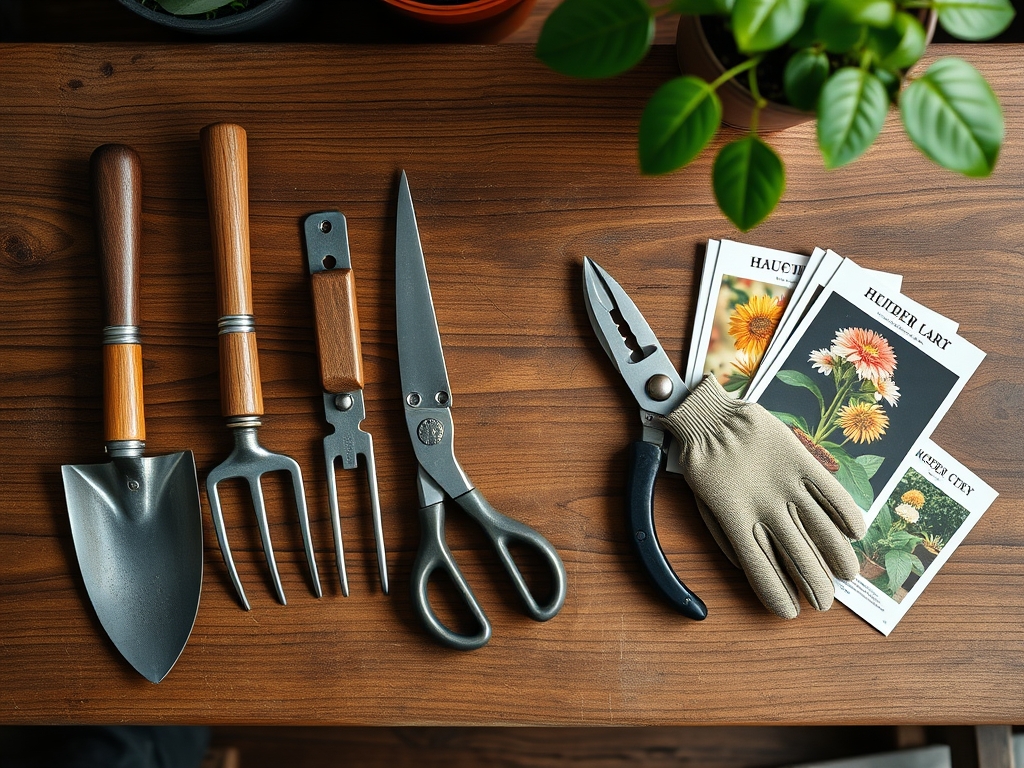
The substrate must be a friable loam with a high Cation Exchange Capacity (CEC) to ensure nutrient availability. Aim for a soil pH between 6.0 and 7.0. The primary potting mix should consist of two parts peat moss or coconut coir, one part pine bark, and one part coarse perlite to facilitate drainage.
For the initial nutrient load, incorporate a slow release fertilizer with an NPK ratio of 10-10-10. This balanced distribution supports both root development and foliar expansion. If the tree is in a period of rapid vegetative growth, a slightly higher nitrogen ratio, such as 3-1-2, may be utilized. Ensure the new container is only 2 to 3 inches wider in diameter than the current pot to prevent "pot-bound" issues or, conversely, "perched water tables" where excess soil remains saturated for too long.
Timing:
In Hardiness Zones 9 through 11, Ficus elastica can remain outdoors year round, but for most indoor specimens, the biological clock is governed by light intensity and duration. The ideal window for repotting is late spring or early summer, typically 2 to 4 weeks after the last frost date when ambient temperatures consistently exceed 65 degrees Fahrenheit.
During this phase, the plant transitions into its most active vegetative stage. Hormonal activity, specifically the production of auxins in the apical meristem, is at its peak. Repotting during this high energy window allows the root system to colonize the new rhizosphere before the shorter photoperiod of autumn triggers a metabolic slowdown. Avoid repotting during the winter dormancy period, as the reduced rate of photosynthesis limits the plant's ability to repair root tissue damaged during the transition.
Phases:

Sowing the Foundation
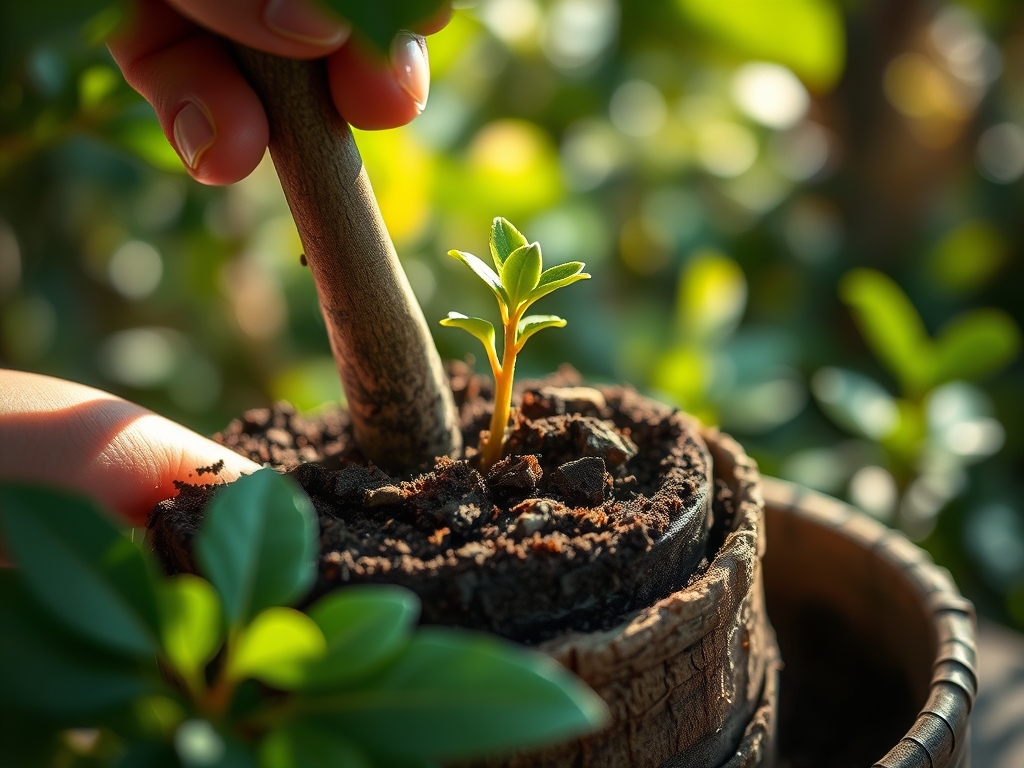
Before extraction, hydrate the plant thoroughly 24 hours in advance. This increases cell turgidity and makes the roots more flexible. Lay the tree on its side and use a hori-hori knife to slice along the inner perimeter of the pot. Gently slide the root ball out, avoiding any sudden tugging on the main trunk.
Pro-Tip: Inspect the root tips for mycorrhizal symbiosis. If you see fine, white filaments, preserve as much of that fungal network as possible. These fungi extend the root system's reach, significantly increasing the uptake of phosphorus and micronutrients.
Transplanting and Root Pruning
Examine the root architecture. If the roots are "circling," use sterilized bypass pruners to make three or four vertical cuts into the root ball. This breaks the circular growth pattern and stimulates the production of lateral "feeder" roots. Position the plant in the new vessel so that the top of the root ball sits 1 inch below the rim to allow for efficient watering.
Pro-Tip: This pruning triggers auxin suppression at the cut sites, which temporarily halts vertical growth and redirects the plant's energy toward radical root expansion. This ensures the tree establishes a stable base in its new environment.
Establishing and Settling
Fill the voids with your prepared friable loam. Use your fingers to press the soil down firmly but do not compact it. Air pockets must be eliminated to ensure direct root to soil contact, but the soil must remain porous enough for oxygen to reach the rhizosphere. Water the plant until liquid drains freely from the bottom.
Pro-Tip: Avoid fertilizing for the first 4 to 6 weeks post-repotting. The plant needs to focus on "search and find" root growth. Introducing high salt concentrations from fertilizers can desiccate new, sensitive root hairs through osmotic stress.
The Clinic:
Physiological disorders often manifest immediately following a move.
- Symptom: Lower Leaf Abscission. If the tree drops its oldest leaves, it is likely experiencing transplant shock or a sudden change in light.
Solution: Maintain a consistent temperature of 70 to 75 degrees Fahrenheit and increase humidity to 50 percent.
- Symptom: Interveinal Chlorosis. Yellowing between the veins on new leaves indicates a micronutrient deficiency, often iron or magnesium.
Solution: Check the soil pH. If it is above 7.0, the plant cannot uptake these minerals. Lower the pH with elemental sulfur.
- Symptom: Nitrogen Chlorosis. General yellowing of the entire leaf, starting from the bottom.
Fix-It: Apply a water soluble fertilizer with a high Nitrogen (N) value at half strength to restore chlorophyll production.
- Symptom: Edema. Small bumps or blisters on the underside of leaves.
Solution: This is caused by the roots absorbing water faster than the leaves can transpire it. Reduce watering frequency and improve air circulation.
Maintenance:
Post-repotting care requires precision. Use a soil moisture meter to ensure the top 2 inches of soil have dried out before the next irrigation cycle. Typically, a rubber tree requires 1.5 inches of water per week, delivered directly to the soil surface to avoid wetting the foliage.
Keep the leaves clean. Dust accumulation can block stomata and reduce photosynthetic efficiency by up to 30 percent. Use a damp cloth to wipe the blades every two weeks. If the tree becomes top heavy, use a bamboo stake and soft horticultural tape to provide support without constricting the vascular flow of the trunk. Pruning should be done with bypass pruners to maintain a clean cut, preventing the entry of pathogens into the "latex" sap.
The Yield:
While indoor Ficus elastica rarely produce fruit or flowers, the "yield" is measured in biomass and leaf surface area. To maximize the aesthetic output, ensure the plant receives 6 to 8 hours of bright, indirect light. If you must prune for size management, do so in early spring. The white sap (latex) is a natural defense mechanism; handle the plant with gloves to avoid skin irritation. Post-pruning, the plant will push new growth from the auxiliary buds just below the cut, resulting in a fuller, bushier canopy.
FAQ:
How do I know it is time to repot?
Observe the drainage holes. If roots are protruding or if water sits on the soil surface without draining, the plant is root-bound. A decline in growth rate during the spring also indicates the need for a larger vessel.
What is the best soil for a rubber tree?
A well draining, peat-based mix with a pH of 6.0 to 7.0 is ideal. Combine two parts peat or coir with one part perlite and one part pine bark to ensure a high Cation Exchange Capacity.
Should I wash the old soil off the roots?
No. Completely removing the old soil can damage the delicate root hairs and destroy beneficial mycorrhizal fungi. Only remove the outer layer of loose soil and any dead or decaying organic matter before placing it in the new pot.
Why are the leaves drooping after repotting?
This is typically a sign of transplant shock or temporary loss of turgor pressure. Ensure the soil is moist and keep the plant in a humid environment away from drafts. The plant should recover within 7 to 10 days.