7 Manual Steps to Treat Scale with Horticultural Oil
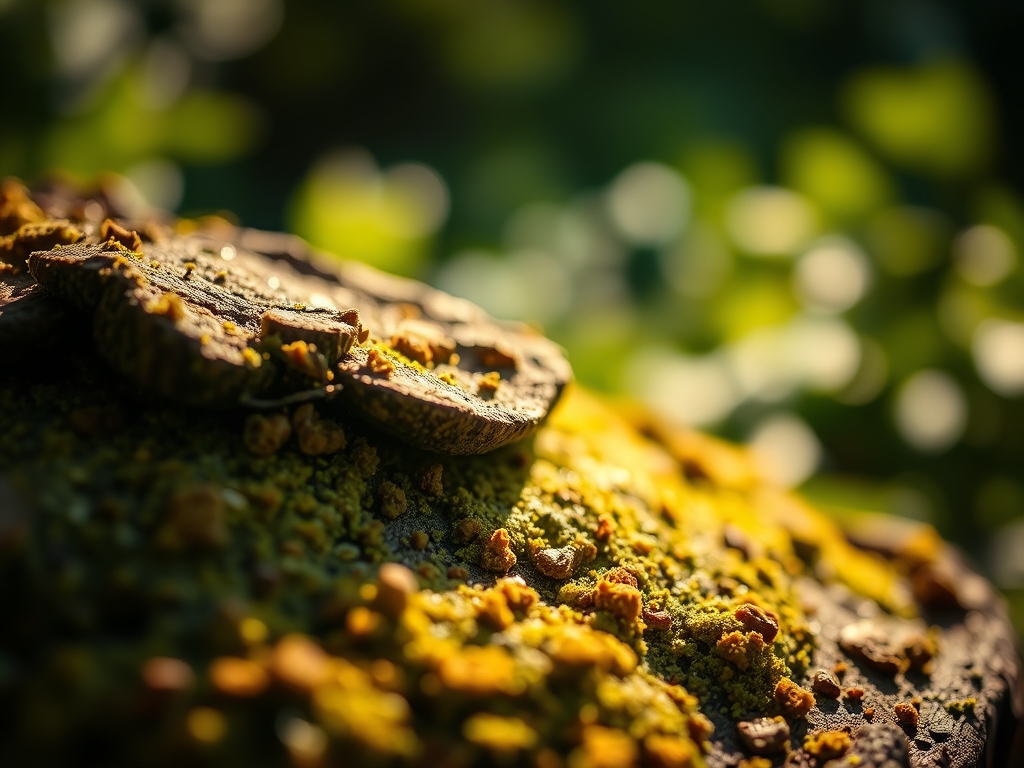
Healthy foliage maintains high turgor pressure; the cells are rigid and the leaf surface feels cool to the touch. When scale insects attach to the vascular tissue, they siphon off sap and reduce this pressure. The first sign of an infestation is often a sticky residue known as honeydew. Following the correct steps for treating scale with horticultural oil is the most effective way to suffocate these pests without damaging the surrounding rhizosphere or beneficial insect populations.
The scale insect operates by piercing the plant epidermis to reach the phloem. This action disrupts the transport of nutrients and water, eventually leading to chlorosis or leaf drop. A successful treatment requires an understanding of the insect life cycle and the physical properties of the oil. Horticultural oils work through mechanical suffocation rather than chemical toxicity. The oil film covers the spiracles of the insect, preventing gas exchange. This method is highly effective against both the armored and soft varieties of scale. Precision in application ensures that the plant recovers its physiological vigor while the pest population is eradicated.
Materials:
A plant under attack requires optimal nutrition to recover. Maintain a soil pH between **6.0 and 7.0** for most woody ornamentals. The substrate should be a friable loam with a high Cation Exchange Capacity (CEC) to ensure nutrient availability. Use a balanced NPK ratio of **10-10-10** for general maintenance, or a **5-10-10** blend if the plant is entering a reproductive phase. High nitrogen levels can sometimes trigger a flush of soft growth that attracts more pests.
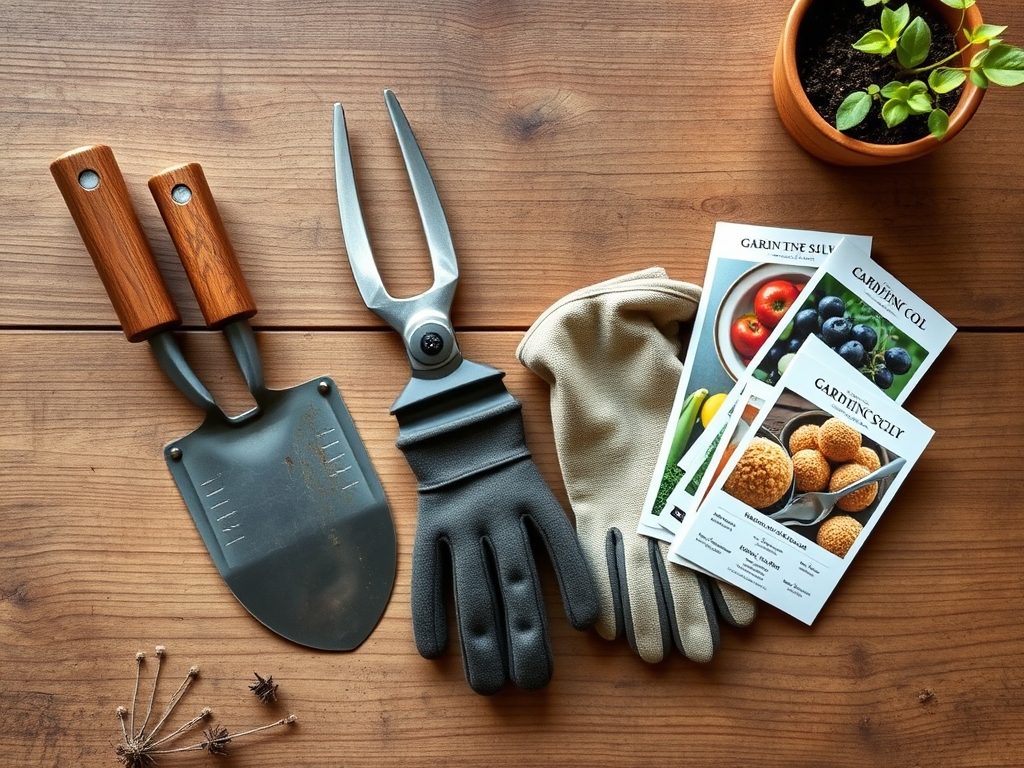
Physical tools include a pressurized sprayer with a fine mist nozzle, a soil moisture meter, and a clean microfiber cloth. Ensure the oil is a highly refined petroleum or vegetable-based paraffinic oil. The purity of the oil is measured by its unsulfonated residue (UR) rating; a rating of 92% or higher is necessary to prevent phytotoxicity.
Timing:
The biological clock of the plant dictates the application window. In Hardiness Zones 4 through 8, the primary window for dormant oil application is late winter or early spring, before bud break. The temperature must be between 40 and 70 degrees Fahrenheit for at least 24 consecutive hours.
Avoid application when the plant is transitioning from vegetative growth to senescence. Applying oil during extreme heat or when the plant is under drought stress will cause the stomata to close, leading to leaf burn. Monitor the photoperiod; as days lengthen, the metabolic rate of the scale increases, making the "crawler" stage more vulnerable to treatment.
Phases:

Sowing and Site Preparation
Before treating an established plant, ensure the surrounding soil is hydrated. Dry roots lead to stressed vascular systems. Check the soil moisture at a depth of 4 inches using a probe. If the soil is dry, provide 1 inch of water 24 hours before you begin the oil application.
Pro-Tip: Proper hydration maintains cell turgor. This prevents the oil from being drawn into the leaf tissues through the stomata, which reduces the risk of internal cellular damage.
Transplanting and Structural Pruning
If the infestation is localized, use bypass pruners to remove heavily encrusted branches. Make cuts at a 45-degree angle just above a lateral bud. This redirects auxins to the remaining healthy tissue, promoting faster recovery. Dispose of all infested material away from the garden site to prevent re-infestation.
Pro-Tip: Removing dense interior growth improves airflow. Increased air circulation reduces the humidity levels that scale insects and secondary fungal pathogens prefer.
Establishing the Oil Barrier
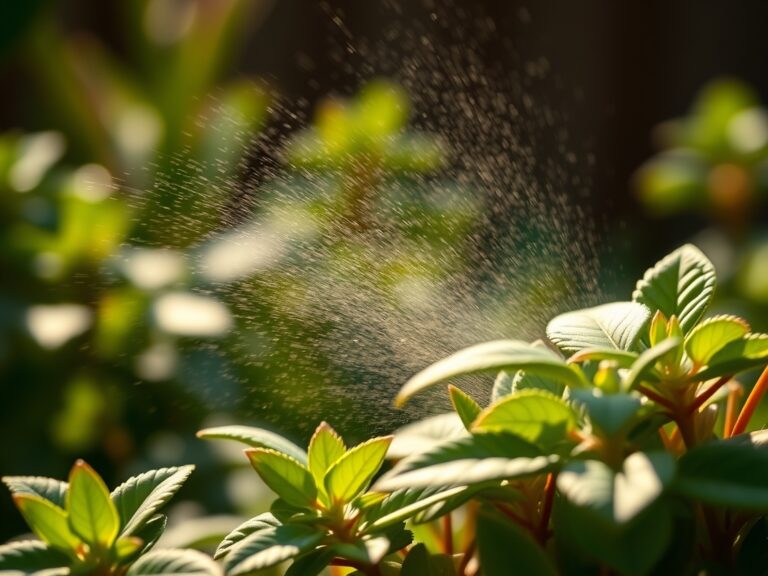
Mix the horticultural oil at a concentration of 2% to 3% for dormant application, or 1% for summer application. Shake the sprayer constantly to maintain the emulsion. Coat every surface of the plant, including the undersides of leaves and the crevices of the bark. The oil must make direct contact with the insect to be effective.
Pro-Tip: The oil creates a physical barrier that interrupts the insect's respiratory system. Because this is a physical rather than chemical action, pests cannot develop a genetic resistance to the treatment.
The Clinic:
Physiological disorders often mimic pest damage. Distinguishing between them is vital for proper care.
- Symptom: Yellowing of older leaves while veins remain green.
Solution: This indicates Magnesium deficiency. Apply Epsom salts at a rate of 1 tablespoon per gallon of water to the root zone.
- Symptom: Stunted growth and pale green foliage (Chlorosis).
Solution: This is typically Nitrogen deficiency. Side-dress with a high-nitrogen organic fertilizer like blood meal to restore the NPK balance.
- Symptom: Brown, "scorched" leaf margins after oil application.
Solution: This is phytotoxicity. It occurs when oil is applied in temperatures above 85 degrees Fahrenheit or when the plant is dehydrated. Increase irrigation and provide temporary shade.
- Symptom: Black, sooty mold on leaves.
Solution: This is a byproduct of scale honeydew. Once the scale is treated with oil, the mold will lose its food source and can be gently wiped away with a damp cloth.
Maintenance:
Post-treatment care determines the long-term success of the intervention. Provide 1.5 inches of water per week at the drip line, ensuring the water reaches the deep root system. Use a hori-hori knife to remove weeds that compete for nutrients within the rhizosphere.
Monitor the plant every 14 days for new "crawlers." If new insects are spotted, a second application of a 1% summer-weight oil may be necessary. Always calibrate your sprayer to ensure a consistent droplet size of 100 to 200 microns for optimal coverage.
The Yield:
For fruiting plants or ornamentals, the yield is measured in healthy biomass and fruit set. A plant free of scale can allocate energy toward carbohydrate storage rather than defense. Harvest fruit at peak ripeness to reduce the weight on branches. Use sharp bypass pruners to make clean cuts, preventing jagged edges that could serve as entry points for pathogens. For "day-one" freshness, harvest in the early morning when turgor pressure is at its highest.
FAQ:
How often should I apply horticultural oil?
For dormant plants, apply once in late winter. During the growing season, apply every 10 to 14 days if crawlers are present. Never exceed four applications per season to avoid oil buildup on the leaf cuticle.
Can I use horticultural oil on all plants?
No. Certain species like Blue Spruce, Maples, and Walnuts are sensitive. The oil can strip the waxy glaucous coating from evergreens. Always perform a "patch test" on a small branch and wait 48 hours before full application.
What is the best temperature for application?
Apply when ambient temperatures are between 40 and 70 degrees Fahrenheit. Avoid application if freezing temperatures are expected within 24 hours, as this can cause the emulsion to break and damage the plant bark.
Will horticultural oil kill beneficial insects?
Oil is a non-selective contact suffocant. It will kill any insect it coats. To protect pollinators, apply in the early morning or late evening when beneficial insects are inactive. Once the oil dries, it is generally safe.