8 Best Drought-Tolerant Plants for Landscape Design
Crushing a handful of sun-baked earth reveals the structural integrity of the soil; it should crumble into distinct peds rather than collapsing into fine dust. Maintaining cellular turgor pressure within a leaf requires a delicate balance of osmotic potential and external moisture availability. Selecting the best plants for landscape design involves more than aesthetic preference. It requires a rigorous understanding of plant physiology and the ability to manage the hydrological demands of a specific microclimate. When the thermometer exceeds 95 degrees Fahrenheit, a plant's metabolic rate shifts. Respiration can outpace photosynthesis, leading to carbon starvation if the species is not adapted to arid conditions. Success in modern landscaping depends on choosing taxa that thrive when water is scarce. These plants must maintain their structural form and physiological functions through periods of intense heat and low precipitation. By focusing on drought-tolerant species, a designer ensures long-term viability and reduces the reliance on supplemental irrigation systems. This technical approach treats the garden as a living laboratory where soil chemistry and plant biology intersect to create a resilient, high-performance ecosystem.
Materials:
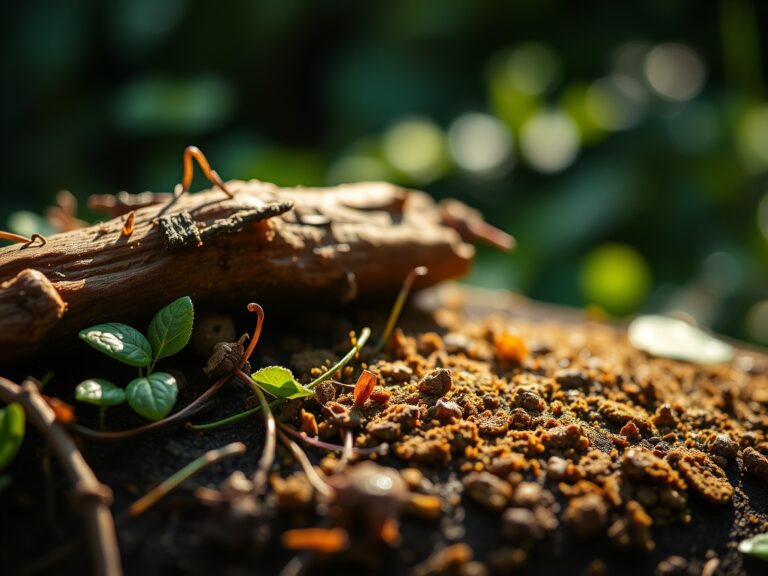
The foundation of a drought-tolerant landscape is the rhizosphere. For the eight species listed below, the substrate must be a **friable loam** with a high percentage of coarse sand or perlite to facilitate rapid drainage. Most xeric plants require a **soil pH between 6.5 and 7.5**. A high Cation Exchange Capacity (CEC) is beneficial, but excessive organic matter can retain too much moisture, leading to root rot in arid-adapted species.
Nutrient requirements vary by growth stage. For initial establishment, use a balanced NPK ratio of 10-10-10. Once the plants reach maturity, shift to a low-nitrogen formula like 5-10-15 to discourage excessive vegetative growth, which increases water demand.
- Lavandula angustifolia (English Lavender): Prefers pH 7.0 to 8.0.
- Perovskia atriplicifolia (Russian Sage): Thrives in lean soil with low phosphorus.
- Sedum spectabile (Stonecrop): Requires well-draining mineral soil.
- Echinacea purpurea (Coneflower): Tolerates clay-heavy soils with a pH of 6.0 to 7.0.
- Yucca filamentosa (Adam's Needle): Needs sandy substrate with high porosity.
- Achillea millefolium (Yarrow): Adapts to poor, rocky soils.
- Salvia rosmarinus (Rosemary): Requires calcareous soil with high calcium carbonate.
- Agave parryi (Parry's Agave): Must have a mineral-based mix with minimal organic debris.
Timing:
Successful installation depends on the Hardiness Zone and the local frost-date window. Most drought-tolerant species are suited for USDA Zones 5 through 9. The ideal planting window is early spring, at least three weeks after the last predicted frost, or early autumn, at least six weeks before the first hard freeze.
The "Biological Clock" of these plants is governed by the photoperiod and temperature fluctuations. During the vegetative stage, the plant focuses on root expansion and leaf production. As the day length increases and temperatures rise, the plant transitions to the reproductive stage, initiating flower bud development. Interrupting this cycle with late-season nitrogen applications can trigger soft, new growth that is highly susceptible to frost damage during the onset of senescence.
Phases:

Sowing
Direct sowing is most effective for species like Achillea or Echinacea. Clear the area of all competing vegetation. Sow seeds at a depth of one-eighth inch to ensure light-induced germination for specific varieties. Maintain consistent surface moisture until the first true leaves appear.
Pro-Tip: Monitor the soil temperature using a probe; germination for most xeric perennials peaks at 65 to 70 degrees Fahrenheit. This ensures the enzymes responsible for breaking seed dormancy are fully activated.
Transplanting
When moving nursery stock into the landscape, dig a hole twice as wide as the root ball but no deeper. Ensure the crown of the plant sits slightly above the soil line to prevent moisture accumulation at the stem base.
Pro-Tip: Spread the roots laterally to encourage mycorrhizal symbiosis. These beneficial fungi extend the reach of the root system, significantly increasing the surface area available for water and nutrient absorption in lean soils.
Establishing
The first 90 days are critical. Even drought-tolerant plants require regular irrigation during the establishment phase. Water deeply once a week to encourage roots to grow downward into the cooler, moister subsoil layers.
Pro-Tip: Avoid pruning the terminal buds during the first season. This prevents auxin suppression, allowing the plant to prioritize vertical growth and root depth over lateral branching, which stabilizes the plant against wind and heat stress.
The Clinic:
Physiological disorders often mimic nutrient deficiencies. Accurate diagnosis is required before applying chemical corrections.
- Symptom: Interveinal chlorosis (yellowing between leaf veins) on new growth.
- Solution: This indicates Iron deficiency, often caused by high soil pH. Apply chelated iron or lower the pH with elemental sulfur.
- Symptom: Marginal necrosis (browning of leaf edges) on older leaves.
- Solution: This suggests Potassium deficiency or salt accumulation. Flush the soil with 3 inches of water and apply a high-potash fertilizer.
- Symptom: Soft, blackened tissue at the base of the stem.
- Solution: This is Phytophthora root rot. Improve drainage immediately and reduce irrigation frequency. There is no cure for advanced cases; remove the plant to prevent spread.
- Symptom: Stunted growth and purple tinting on undersides of leaves.
- Solution: This is Phosphorus deficiency, common in cold, wet soils. Increase soil temperature with mulch or apply bone meal.
Fix-It: For general Nitrogen chlorosis (uniform yellowing of older leaves), apply a liquid seaweed extract or a 10-0-0 organic fertilizer to provide an immediate nitrogen boost without burning the delicate root hairs.
Maintenance:
Precision is the hallmark of a master horticulturist. Use a soil moisture meter to check the hydration level at a depth of 4 inches. If the meter reads below 20 percent, provide 1.5 inches of water at the drip line. Avoid overhead irrigation to minimize the risk of fungal pathogens on the foliage.
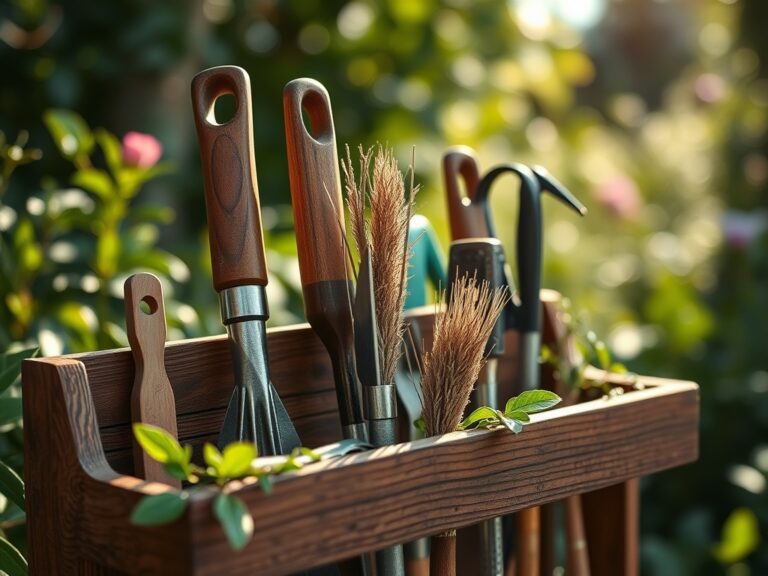
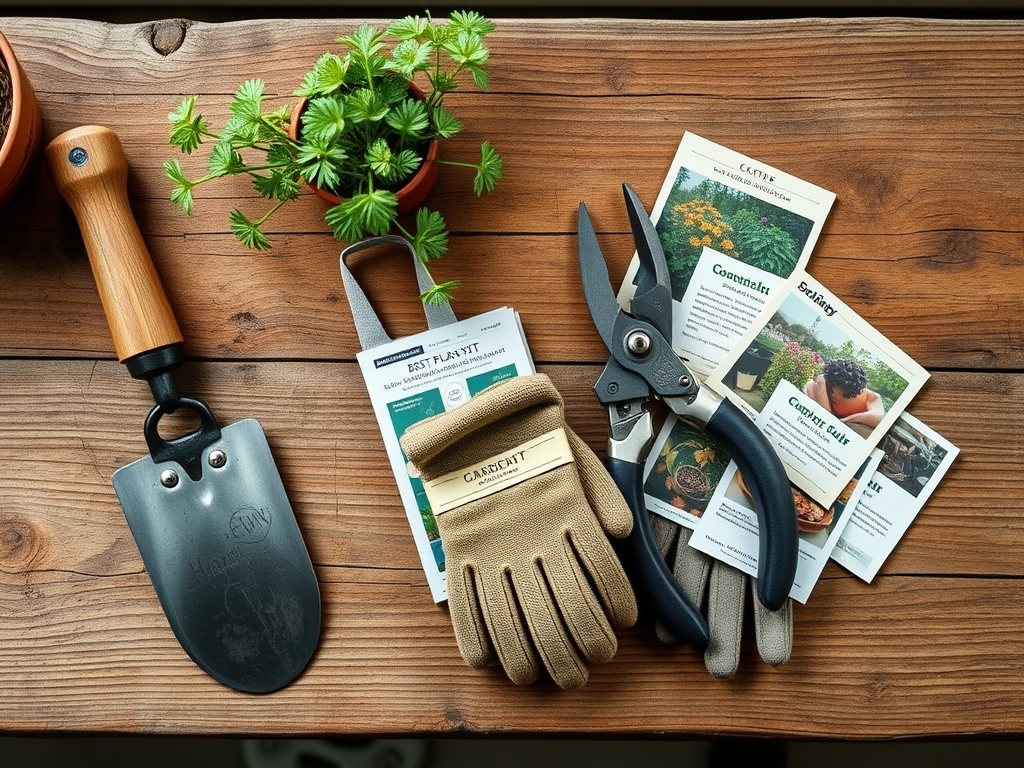
Maintain your tools to prevent the transmission of disease. Use a hori-hori knife for weeding and planting small bulbs; its serrated edge cuts through compacted soil and roots cleanly. For pruning, use bypass pruners rather than anvil pruners to ensure a clean, scissor-like cut that heals quickly. Disinfect blades with 70 percent isopropyl alcohol between every plant. Apply a 2-inch layer of inorganic mulch, such as pea gravel or crushed stone, to regulate soil temperature and reduce evaporation without increasing humidity around the plant crown.
The Yield:
For flowering species like Lavender and Yarrow, harvest timing is essential for preserving essential oils and color. Harvest when the lower third of the flower spike has opened. Use sharp snips to cut the stems in the early morning after the dew has evaporated but before the heat of the day causes the plant to wilt.
Post-harvest handling determines the longevity of the material. For fresh use, immediately plunge the stems into 40-degree Fahrenheit water to maintain turgidity. For drying, bundle the stems with twine and hang them upside down in a dark, well-ventilated area with a humidity level below 50 percent. This prevents mold and ensures the stems remain straight as they undergo the drying process.
FAQ:
What is the best time to plant drought-tolerant species?
Plant in early spring after the last frost or in early autumn. This allows the root system to establish in moderate temperatures before the stress of summer heat or winter dormancy.
How do I improve drainage in heavy clay soil?
Incorporate 30 percent coarse sand or expanded shale into the planting hole. Avoid adding only organic matter, as it can hold excessive water in the root zone during dormant winter months.
Why are my succulent leaves turning translucent and soft?
This indicates overwatering and the beginning of cellular collapse. Reduce irrigation immediately and ensure the soil dries completely between watering cycles. Check for adequate drainage at the base of the planting site.
Can I use wood mulch around xeric plants?
Wood mulch is generally discouraged for desert species. It retains too much surface moisture and can promote fungal growth. Use crushed stone, gravel, or decomposed granite to reflect heat and allow the soil to breathe.