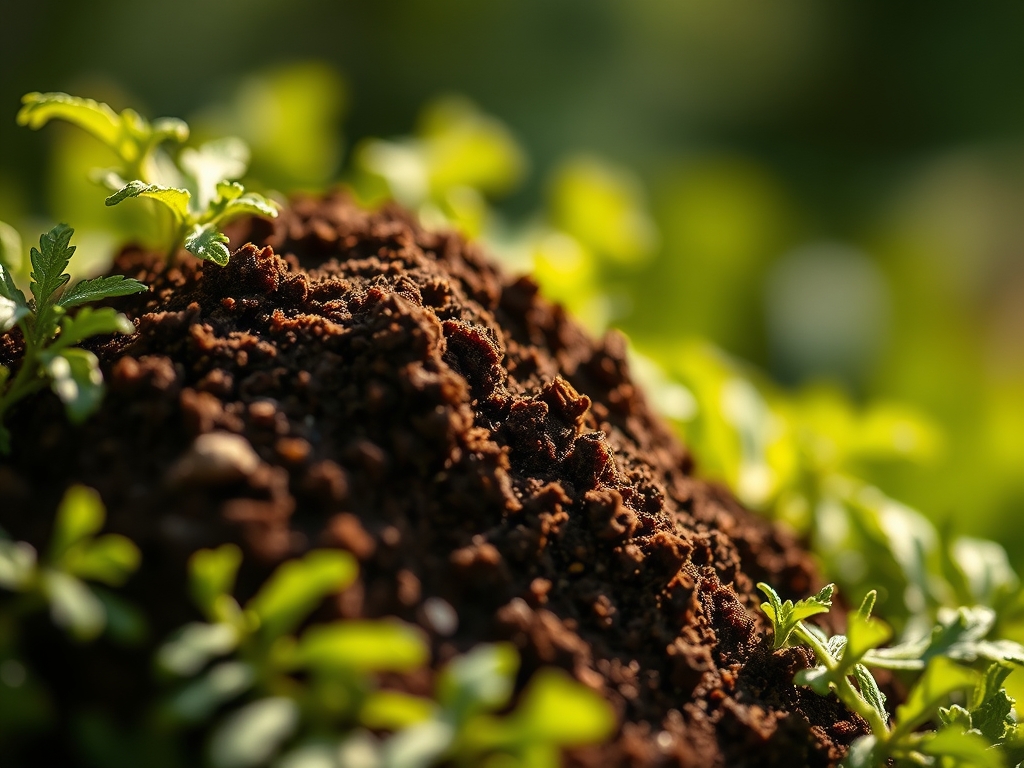
8 Benefits of Specialized Fern Soil for Moisture Retention
Using a specialized fern soil transforms struggling fronds into lush, fountain-like specimens. The difference becomes visible within three weeks: rhizomes plump with stored water, pinnae that remain turgid through dry afternoons, and roots that colonize the medium rather than circle the pot's edge. Conventional potting mixes drain too rapidly for fern biology. Using a specialized fern soil addresses the unique water requirements of plants that evolved in forest understories where humidity hovers near 80% and organic matter blankets the ground in a perpetually moist layer.
Materials

A proper fern substrate requires pH 5.5 to 6.5, mimicking the acidic leaf litter of woodland habitats. The nitrogen-phosphorus-potassium ratio should trend toward 4-4-4 or 5-3-3 in organic formulations. Chemical fertilizers disrupt the cation exchange capacity that makes specialized fern soil effective.
Base ingredients include milled sphagnum peat moss (40% by volume), fine orchid bark (20%), perlite (15%), and composted pine fines (25%). This combination yields 60% water-holding porosity while maintaining aeration. Add dolomitic limestone at 2 tablespoons per gallon to buffer pH drift. Incorporate mycorrhizal fungi inoculant at the manufacturer's specified rate. Glomus species form arbuscular associations with many fern genera, increasing phosphorus uptake by 300%.
Wetting agents derived from yucca extract improve initial moisture penetration. Hydrophobic peat repels water when fully dry. Pre-moisten the mix 24 hours before potting, targeting 40% moisture content by weight.
Timing
Fern transplanting aligns with hardiness zones and dormancy cycles. In zones 6 through 9, divide and repot outdoor ferns from late March through early May, after soil temperatures stabilize above 50°F but before fronds fully unfurl. This window allows root establishment before summer heat stress.
For tropical species grown indoors (zones 10-11 conditions), repot during the growth flush between February and June. Avoid transplanting during winter dormancy when root activity ceases.
Bare-root ferns shipped from nurseries should enter specialized soil within 48 hours of arrival. Roots desiccate rapidly once exposed. Soak rhizomes in room-temperature water for 2 hours before potting to rehydrate vascular tissue.
Phases

Sowing: Fern spores require different protocols than seed. Sterilize specialized fern soil at 180°F for 30 minutes to eliminate competing mosses and liverworts. Cool completely. Broadcast spores across the surface without covering. Maintain 70°F bottom heat and enclose containers in clear plastic to sustain 90% humidity. Gametophytes emerge in 4 to 8 weeks as green film. Mist with distilled water when the surface begins to lighten.
Pro-Tip: Add 10% milled charcoal to spore-sowing mix. Activated carbon absorbs allelopathic compounds that inhibit gametophyte development.
Transplanting: Position the rhizome horizontally at soil level rather than burying it. Fern crowns rot when covered. Firm the specialized soil around roots using moderate pressure, eliminating air pockets that interrupt water transfer. Leave 1 inch between soil surface and pot rim for irrigation space.
Pro-Tip: Dust rhizome cuts with cinnamon powder. The cinnamaldehyde acts as a natural fungicide, preventing Rhizoctonia infection at wound sites.
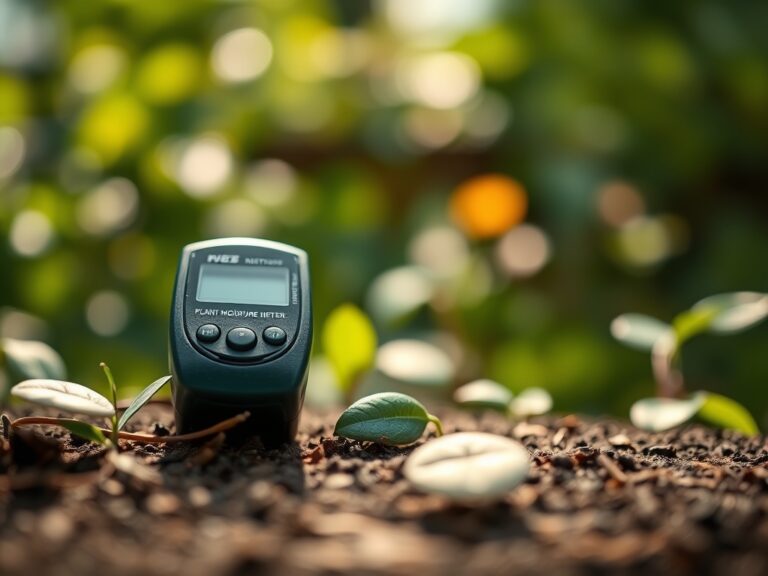
Establishing: New fronds signal successful root colonization, typically 3 to 5 weeks post-transplant. During establishment, maintain soil moisture at 50% of field capacity. Insert a moisture meter 3 inches deep; the reading should stay between 6 and 8 on a 10-point scale. Apply diluted fish emulsion at half-strength every 14 days to support auxin distribution to emerging crosiers.
Pro-Tip: Position establishing ferns in 400 to 800 foot-candles of light. Higher intensities desiccate fronds faster than roots can replace lost water.
Troubleshooting
Symptom: Frond margins brown and crisp despite moist soil.
Solution: Low humidity, not drought. Increase ambient moisture using pebble trays filled with water beneath pots or run a humidifier to achieve 60% relative humidity.
Symptom: Yellow fronds with dark veins, stunted growth.
Solution: Iron chlorosis from alkaline pH. Drench soil with chelated iron solution (1 tablespoon per gallon) and top-dress with elemental sulfur at 1 teaspoon per 6-inch pot to lower pH.
Symptom: White cottony masses on rhizomes.
Solution: Mealybugs. Swab insects with 70% isopropyl alcohol using cotton swabs. Drench soil with imidacloprid at labeled rates for systemic control.
Symptom: Black, mushy rhizome sections.
Solution: Pythium root rot from overwatering. Unpot immediately, excise affected tissue with sterilized shears, and repot in fresh specialized fern soil. Reduce irrigation frequency by 30%.
Symptom: Sparse, pale fronds.
Solution: Nitrogen deficiency. Apply blood meal at 1 tablespoon per gallon of soil, scratched into the top inch. Alternatively, use urea-free synthetic fertilizer at 20-10-10 diluted to quarter-strength weekly.
Maintenance
Water when the top 1 inch of specialized fern soil feels dry to touch. This typically means 1 to 1.5 cups per 6-inch pot twice weekly in summer, weekly in winter. Use room-temperature water to avoid shocking roots. Cold water below 60°F slows nutrient uptake.
Feed every 21 days during active growth with balanced organic fertilizer at half the label rate. Excess nitrogen produces lax fronds susceptible to mechanical damage.
Repot every 18 to 24 months, or when roots emerge from drainage holes. Ferns tolerate moderate root restriction but suffer when the specialized soil breaks down into anaerobic muck.
FAQ
How does specialized fern soil differ from standard potting mix?
Standard mixes contain too much perlite and bark, draining water before fern roots absorb it. Specialized blends use sphagnum peat and composted organics that hold moisture 48 hours longer while maintaining oxygen in pore spaces.
Can I make fern soil at home?
Yes. Combine 2 parts peat moss, 1 part perlite, 1 part composted bark, and 1 part worm castings. Adjust pH to 6.0 with lime.
What moisture level prevents root rot?
Keep soil at 40 to 60% saturation. A squeeze test should release 2-3 water drops without making mud.
Do all ferns need acidic soil?
Most require pH 5.5 to 6.5, but Asplenium scolopendrium tolerates neutral pH to 7.2.
How long does specialized fern soil remain effective?
Organic components decompose over 18 months, compacting and losing porosity. Refresh or replace at this interval.