6 Steps to Install a Landscape Garden Water Fountain
The smell of damp earth after a light rain signifies high microbial activity in the rhizosphere; a critical environment for any landscape feature. When the turgor pressure of your surrounding flora is at its peak, the introduction of a water element provides more than just sound. It alters the local microclimate by increasing humidity and lowering ambient temperatures. Following the correct steps for installing a garden fountain ensures that the surrounding soil structure remains intact while providing a permanent hydration source for the ecosystem. You must account for soil displacement and the weight of the reservoir to prevent compaction that could lead to root asphyxiation in nearby specimens.
Materials:

Before excavation, analyze the substrate. The ideal environment is a **friable loam** with a **Cation Exchange Capacity (CEC) between 15 and 25 meq/100g**. This ensures that the soil can hold onto essential nutrients despite the increased moisture levels near the fountain. Maintain a **soil pH between 6.0 and 7.0** to prevent nutrient lockout. If the soil is overly acidic, incorporate calcitic lime; if alkaline, use elemental sulfur.
For the surrounding vegetation, prioritize an NPK ratio of 10-10-10 for general maintenance, or a 5-10-5 ratio if you are encouraging root development in newly transplanted shrubs. You will need a submersible pump rated for 1.5 times the total water volume, a heavy-duty pond liner (45 mil EPDM), and washed river stone to prevent anaerobic bacteria buildup.
Timing:
In Hardiness Zones 4 through 7, installation must occur after the final frost but before the summer solstice. The "Biological Clock" of your garden is currently in a high vegetative state; plants are focusing energy on leaf and stem elongation rather than seed production. Avoid installation during the senescence phase of late autumn, as the soil is prone to heave during freeze-thaw cycles, which can crack rigid fountain basins. Aim for a window where the soil temperature is consistently above 55 degrees Fahrenheit to ensure that any disturbed roots can quickly undergo mitosis and repair themselves.
Phases:

Sowing the Foundation
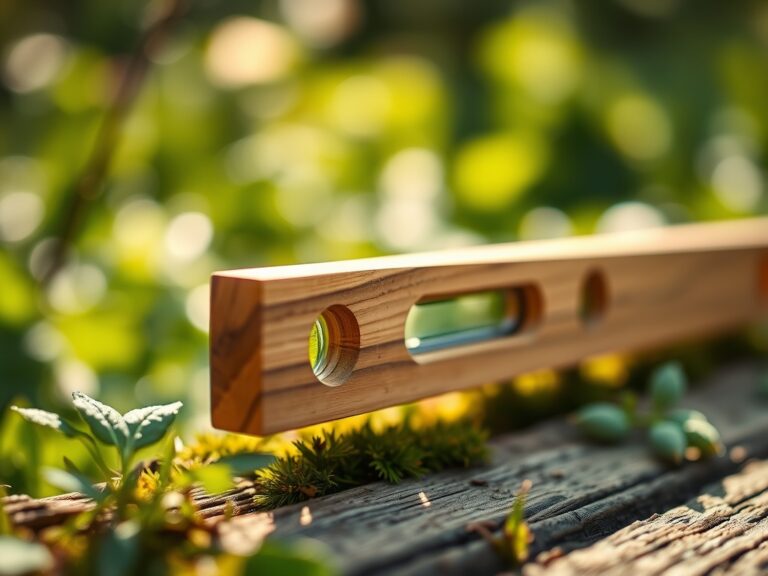
Excavate a pit 2 inches deeper and wider than your reservoir. Level the base using a 1-inch layer of masonry sand. This provides a uniform surface that prevents the weight of the water from creating pressure points on the liner.
Pro-Tip: Proper leveling prevents gravitropism issues in surrounding groundcovers. If the fountain leaks or sits unevenly, waterlogged soil on one side will cause roots to rot while the other side suffers from drought stress.
Transplanting and Integration
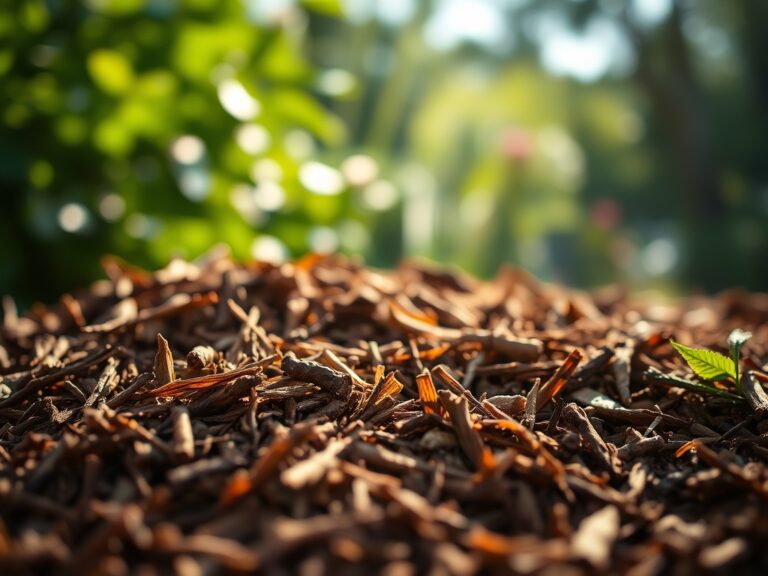
Position the fountain and backfill with a mixture of native soil and organic compost. When placing plants around the perimeter, ensure the root flare is visible. Avoid burying the crown, which leads to stem rot.
Pro-Tip: Use a mycorrhizal inoculant during backfilling. This encourages mycorrhizal symbiosis, a fungal relationship that extends the root system's reach, allowing plants to better utilize the increased moisture levels provided by the fountain's splash zone.
Establishing the Microclimate
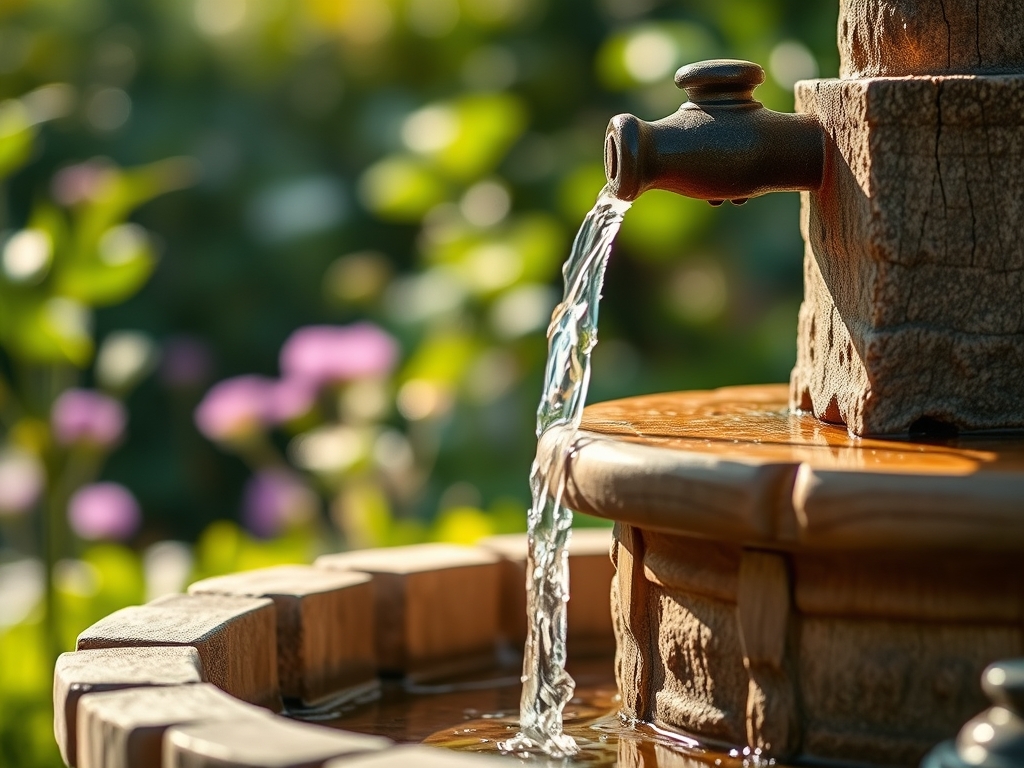
Fill the fountain and monitor the water levels for 48 hours. Adjust the pump flow to minimize excessive overspray. Excessive spray can lead to foliar pathogens if the leaves of nearby plants remain wet for more than four hours.
Pro-Tip: Maintain a consistent flow to prevent stagnant water. Moving water increases dissolved oxygen levels, which inhibits the growth of anaerobic bacteria that can produce toxic sulfides, damaging the rhizosphere of adjacent plants.
The Clinic:
Symptom: Interveinal Chlorosis
Solution: This is often a sign of Iron deficiency, common in waterlogged soils where the pH has spiked.
Fix-It: Apply chelated iron to the soil and ensure the fountain is not leaking into the root zone of acid-loving plants.
Symptom: Marginal Leaf Burn
Solution: This indicates Salt toxicity or "fertilizer burn." If fountain water contains high levels of chlorine or softened salts, overspray can dehydrate leaf margins.
Fix-It: Flush the soil with 2 inches of fresh water and switch to a dechlorinator for the fountain reservoir.
Symptom: Wilting despite wet soil
Solution: This is Phytophthora root rot. The soil is saturated, preventing oxygen from reaching the roots, causing them to die and lose turgor.
Fix-It: Improve drainage by adding perlite or coarse sand to the substrate and reduce the pump's splash radius.
Maintenance:
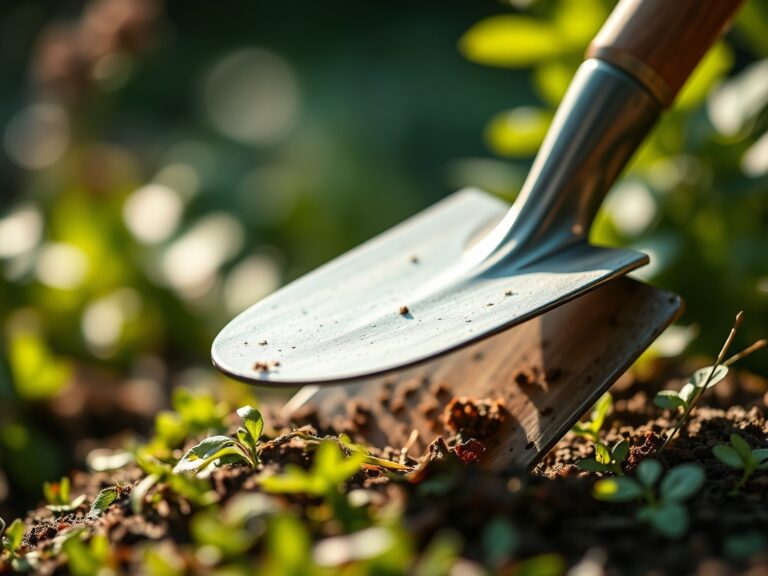
Consistency is the primary metric for success. Use a soil moisture meter to ensure the surrounding beds maintain a steady moisture level without becoming boggy. Most temperate plants require 1.5 inches of water per week at the drip line. Use a hori-hori knife to remove weeds that compete for nutrients in the high-moisture zone. Every spring, use bypass pruners to remove any dead wood or "die-back" caused by winter desiccation. Scrub the fountain surfaces with a stiff brush to remove biofilm, but avoid harsh detergents that could alter the cation exchange of the nearby soil.
The Yield:
If your fountain is surrounded by water-loving herbs like Mentha (Mint) or Nasturtium, harvest during the early morning when turgor pressure is highest. Use sharp shears to make a clean cut above a node to encourage lateral branching. For "day-one" freshness, immediately submerge the stems in 50-degree Fahrenheit water to slow the rate of transpiration and prevent wilting. This preserves the essential oils and cellular integrity of the harvest.
FAQ:
How deep should the fountain reservoir be?
The reservoir should be deep enough to fully submerge the pump with at least 3 inches of water above the intake. This prevents cavitation and ensures the pump motor does not overheat during periods of high evaporation.
Can I use tap water for my garden fountain?
Yes, but monitor the pH and chlorine levels. High chlorine can damage the delicate root hairs of nearby seedlings. Let the water sit for 24 hours to allow chlorine to dissipate before running the pump near sensitive flora.
How do I prevent algae without chemicals?
Maintain high dissolved oxygen by keeping the pump running. Use UV clarifiers or add barley straw pouches. These methods disrupt the life cycle of algae without introducing toxins that could harm the soil microbiology or local pollinators.
What is the best stone for a fountain base?
Use non-calcareous stones like granite or river quartz. Avoid limestone or marble, as they leach calcium carbonate into the water. This can raise the soil pH to alkaline levels, causing nutrient lockout in your garden beds.