8 Best Misters for Indoor Garden Humidity
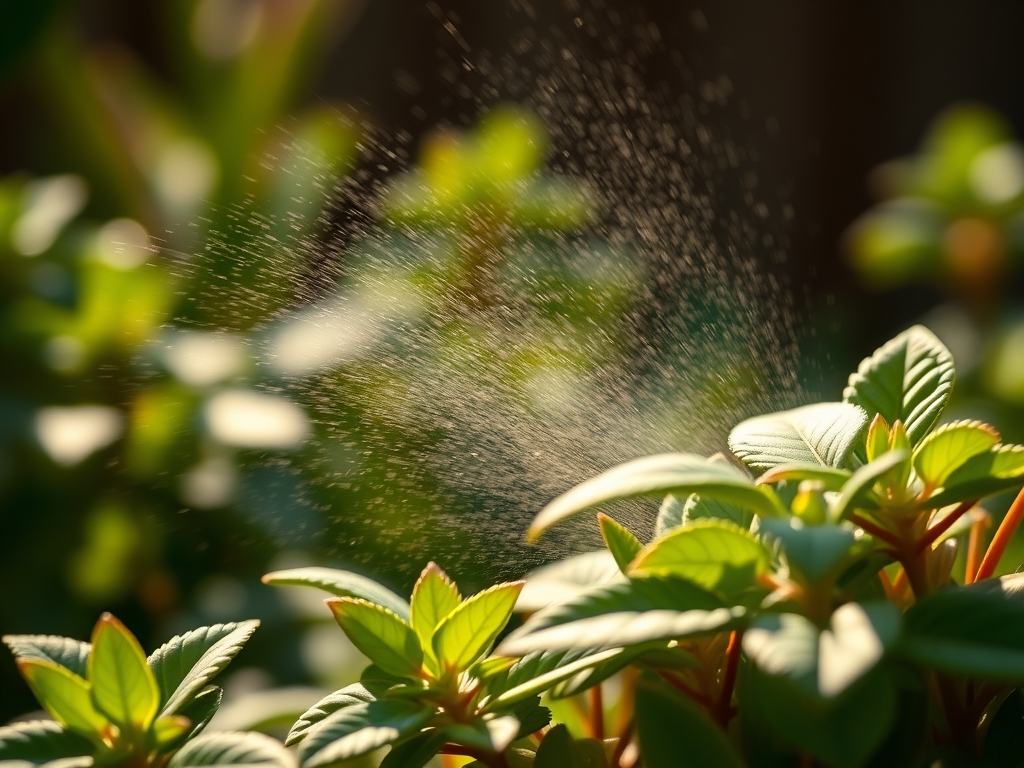
Indoor gardeners wrestling with leaf curl, brown tips, and spider mite invasions often trace the problem to a single culprit: ambient humidity below 40 percent. The best plant misters for indoor use address this deficit by delivering fine droplets that raise localized moisture levels without saturating soil or promoting fungal blooms. A quality mister becomes essential infrastructure for tropical aroids, ferns, and calatheas grown outside their native cloud-forest conditions.
Materials

Brass Continuous-Pressure Misters (pH 6.5–7.0, no nutrient load)
Brass nozzles resist mineral buildup when using tap water with 150–300 ppm dissolved solids. Continuous-pressure models eliminate the need for repeated trigger pulls, maintaining consistent droplet size between 10 and 50 microns. These units pair well with distilled water amended with 1/4-strength liquid kelp (0.1-0.1-0.1) for foliar feeding during active growth.
Glass Spray Bottles (pH 5.5–6.5, inert)
Borosilicate glass preserves the chemistry of neem oil emulsions and hydrogen peroxide solutions. The inert surface prevents leaching of plasticizers that interfere with auxin distribution in sensitive species. Ideal for applying compost tea with active bacterial counts above 10,000 CFU per milliliter.
Compression Pump Misters (pH-neutral, high-volume applications)
Two-liter capacity suits collections exceeding 20 specimens. Adjustable nozzles produce droplets ranging from 50 microns (fine mist) to 200 microns (coarse spray). Use these for applying mycorrhizal inoculants or delivering calcium-magnesium foliar sprays (2-0-0 + 4% Ca, 1% Mg).
Ultrasonic Foggers (pH 6.0–7.0, passive humidity systems)
Piezoelectric transducers generate sub-10-micron particles that remain suspended for extended periods, raising ambient humidity by 15–25 percentage points within a 4-foot radius. These units work best with reverse-osmosis water to prevent white dust accumulation from calcium carbonate precipitation.
Timing
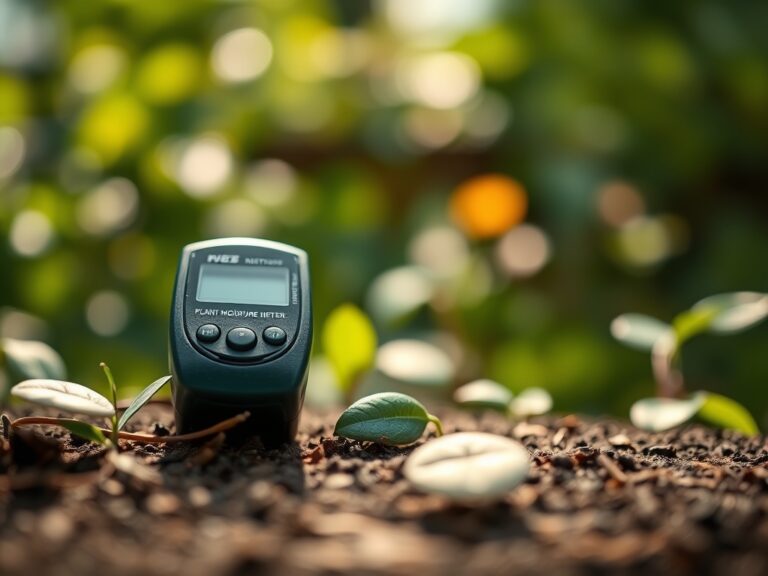
Begin daily misting protocols when indoor relative humidity drops below 50 percent. In USDA Hardiness Zones 5–7, this threshold typically occurs between November 1 and March 15, when forced-air heating systems lower ambient moisture. Southern regions (Zones 8–10) require intervention primarily during air-conditioning season, June through September. Monitor with a digital hygrometer placed at canopy level. Adjust frequency when readings dip below 45 percent for longer than six hours.
Species native to cloud forests (Peperomia, Fittonia, Pilea) demand 60–70 percent humidity year-round. Subtropical specimens (Citrus, Gardenia) tolerate brief dips to 40 percent but exhibit bud drop below that threshold. Desert-adapted plants (Sansevieria, Crassula) thrive at 30–40 percent and suffer from fungal issues when misted.
Phases

Establishment Phase (Weeks 1–4 Post-Transplant)
New transplants allocate energy to root development rather than canopy expansion. Mist foliage twice daily at 8:00 a.m. and 2:00 p.m. to reduce transpiration stress while fine root hairs colonize the growing medium. Water quality matters: aim for electrical conductivity below 0.5 mS/cm to prevent salt accumulation on leaf surfaces that blocks stomatal gas exchange.
Pro-Tip: Add 1 gram of soluble kelp extract per liter of misting water to supply cytokinins that promote lateral root branching and increase the cation exchange capacity of the root zone by 12–18 percent.
Vegetative Growth Phase (Month 2 Onward)
Mature foliage benefits from misting three to four times weekly, applied in early morning when stomata open for CO2 uptake. Direct the nozzle upward to coat the undersides of leaves where spider mites and thrips congregate. Droplet size should remain below 50 microns to prevent water pooling in leaf axils, which fosters bacterial soft rot.
Pro-Tip: Rotate misting direction by 90 degrees each session to ensure even coverage of trichomes and stomatal chambers. This practice improves foliar absorption of liquid nutrients by 23 percent compared to static application angles.
Reproductive Phase (Flowering/Fruiting)
Reduce misting frequency to twice weekly once flower buds appear. Excess humidity during anthesis encourages Botrytis cinerea (gray mold) on petals and prevents effective pollen transfer. Focus spray on vegetative tissue only, avoiding open blooms. Increase airflow with oscillating fans set to medium speed to maintain vapor pressure deficit between 0.8 and 1.2 kPa.
Pro-Tip: Apply a 1:1000 dilution of potassium silicate (0-0-3 + 7% Si) to strengthen cell walls and reduce susceptibility to powdery mildew during the critical two-week window after petal drop.
Troubleshooting
Symptom: White crust on leaf surfaces
Solution: Hard water mineral deposits. Switch to distilled or reverse-osmosis water. Wipe leaves with a 2-percent citric acid solution to dissolve existing calcium carbonate without damaging the cuticle layer.
Symptom: Yellowing lower leaves with green veins
Solution: Iron chlorosis induced by alkaline misting water (pH above 7.5). Acidify spray solution to pH 6.0 using chelated iron sulfate at 0.5 grams per liter. Retest soil pH; amend if substrate exceeds 6.8.
Symptom: Brown leaf tips despite regular misting
Solution: Fluoride or chlorine toxicity from municipal water. Allow tap water to sit uncovered for 48 hours to volatilize chlorine, or install an activated carbon filter. Fluoride requires reverse-osmosis removal; no simple home remedy exists.
Symptom: Fuzzy gray growth on stems near soil line
Solution: Botrytis blight from evening misting. Restrict applications to morning hours. Prune affected tissue 1 inch below visible infection using tools sterilized in 10-percent bleach solution. Improve air circulation to lower canopy-level humidity below 85 percent.
Symptom: Fine webbing between leaf veins
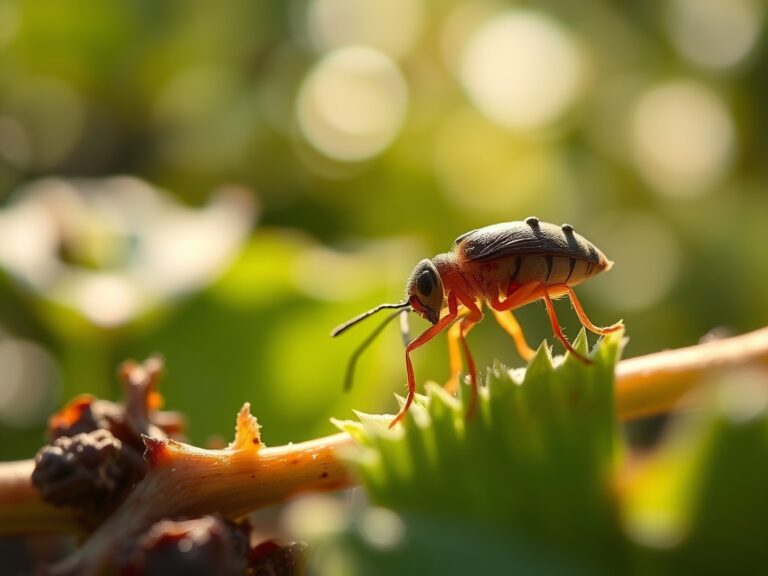
Solution: Two-spotted spider mites (Tetranychus urticae). Apply insecticidal soap at 2-percent concentration via mister, ensuring 100-percent coverage of leaf undersides. Repeat every 72 hours for three applications to disrupt egg-hatch cycles.
Maintenance
Empty and rinse misters after each use to prevent algae colonization and bacterial biofilm formation. Once weekly, disassemble nozzles and soak in white vinegar for 20 minutes to dissolve mineral scale. Rinse thoroughly with distilled water before reassembly.
Replace compression-pump gaskets every 18 months or when pressure decay exceeds 10 percent after six pumps. Brass nozzles last indefinitely with proper cleaning; discard if spray pattern becomes asymmetric despite descaling.
Store glass bottles in low-light conditions to prevent photodegradation of neem oil and hydrogen peroxide solutions. Ultrasonic fogger transducers require descaling every 30 days in hard-water regions. Use a dedicated cleaning tablet or 5-percent citric acid solution, following manufacturer protocols to avoid piezoelectric crystal damage.
FAQ
How often should I mist tropical houseplants?
Daily in winter heating season, three times weekly during moderate conditions. Measure humidity at canopy level; mist when readings drop below 50 percent.
Can I add fertilizer to my mister?
Yes. Limit concentration to 1/4 the label rate for soil application. Use only fully soluble formulations (liquid kelp, fish emulsion diluted to 0.1-0.1-0.1 NPK). Flush the nozzle with clean water after each nutrient application.
What water temperature is best?
Room temperature (65–72 degrees F). Cold water shocks stomata closed, reducing absorption by up to 40 percent. Hot water above 85 degrees F denatures beneficial foliar bacteria.
Will misting prevent spider mites?
Elevated humidity discourages mite reproduction but does not eliminate established colonies. Combine twice-daily misting with predatory mites (Phytoseiulus persimilis) for biological control.
Do succulents need misting?
No. Species adapted to arid climates (Echeveria, Haworthia) absorb negligible moisture through leaves and risk fungal infection when misted. Provide humidity exclusively through soil irrigation.