6 Removal Tips to Use a Garden Lopper for Old Stalks
When autumn's first hard frost turns tomato vines to blackened ropes and pepper stalks to brittle spines, the vegetable garden demands decisive action. Using a garden lopper for vegetable dead wood transforms this yearly chore from a wrestling match into clean, surgical cuts that protect soil structure and prevent overwintering pathogens. The lopper's compound-leverage design delivers 3 to 4 times more force than hand pruners, slicing through lignified stems up to 2 inches in diameter without crushing vascular tissue or tearing bark collars where decay fungi enter.
Materials
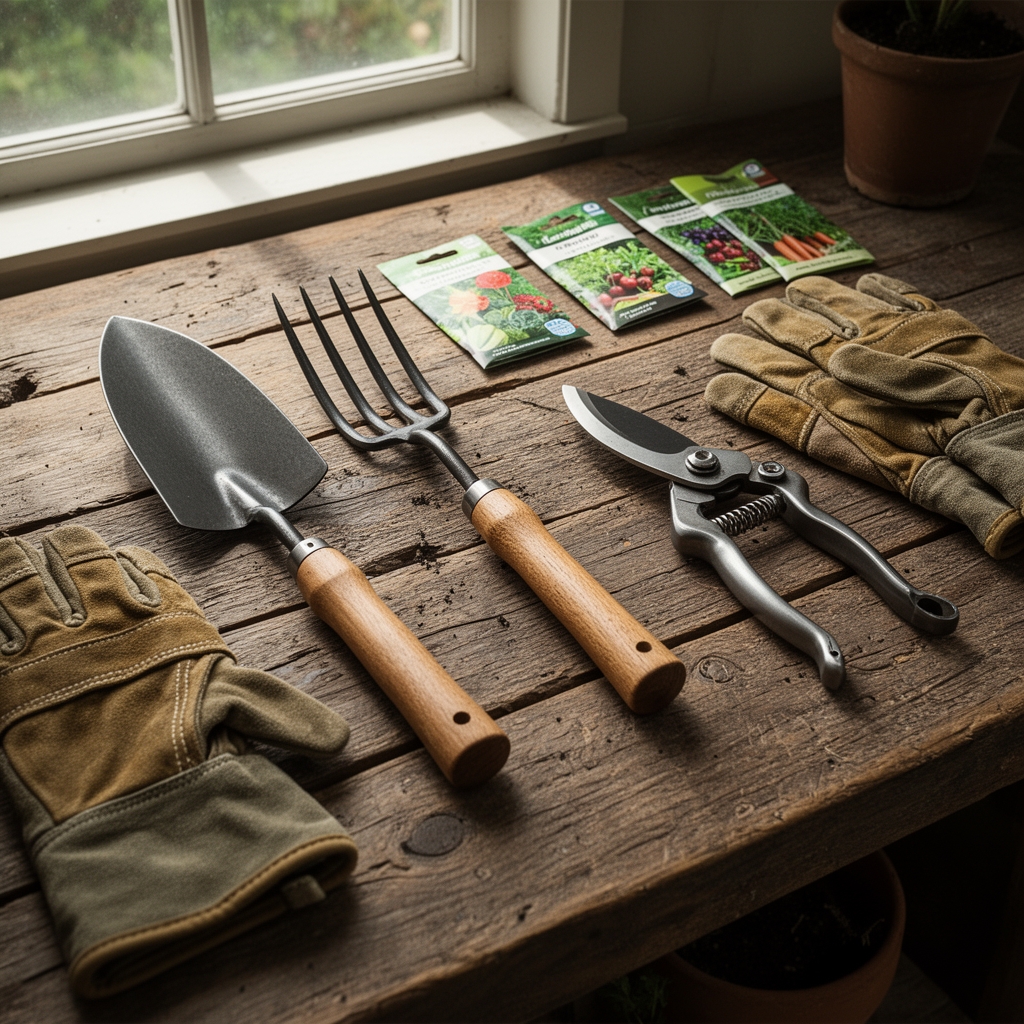
Bypass loppers with hardened steel blades excel on living wood and recently dead stalks, where cambium layers still retain moisture. Anvil-style loppers suit completely desiccated stems but crush green tissue. A 28-inch model offers leverage without excess weight.
Isopropyl alcohol at 70% concentration sterilizes blades between cuts when viral or bacterial diseases appear on foliage. A 10% bleach solution (1 part bleach to 9 parts water) addresses fungal contamination but accelerates metal corrosion. Rinse and oil after each session.
For composting removed stalks, layer brown material (carbon-rich dead wood) with nitrogen sources at a 30:1 C:N ratio. Alfalfa meal (3-1-2 NPK) or feather meal (12-0-0) accelerate decomposition. If disease was present, hot-compost piles must reach 140°F for 14 consecutive days to denature pathogens.
Soil amendments post-removal should match crop history. Heavy feeders like tomatoes and squash deplete calcium and potassium. Apply gypsum (calcium sulfate) at 2 pounds per 100 square feet if soil pH exceeds 6.5, or dolomitic lime at the same rate if pH falls below 6.0. A balanced organic fertilizer rated 4-4-4 restores baseline fertility without overshooting cation exchange capacity.
Timing
In USDA Hardiness Zones 5 through 7, remove annual vegetable stalks within 14 days after the first killing frost (28°F or lower for 4 hours). This window allows chlorophyll to fully break down, making stems easier to cut, while preventing fungal spores from sporulating during wet autumn weather.
Zones 8 through 10 experience mild winters where many pathogens remain active. Remove stalks immediately after harvest or when plants cease fruiting. Delay risks bacterial spot, early blight, and root-knot nematodes colonizing senescent tissue and migrating into soil.
Perennial vegetable stalks (asparagus, rhubarb) require different schedules. Cut asparagus ferns after they yellow completely but before berries drop seed, typically late October in Zone 6. Rhubarb stalks should stand until spring; their crowns need above-ground material to insulate roots through freeze-thaw cycles.
Phases

Assessment Phase
Walk rows and identify stalks by structural integrity. Completely brown, papery stems cut cleanly. Partially green stalks contain residual auxin and sugars that attract pests. Mark diseased plants with flagging tape to handle last, preventing cross-contamination.
Pro-Tip: Inspect stem bases for vascular discoloration. Dark streaks indicate Fusarium or Verticillium wilt. Bag and dispose of these stalks off-site rather than composting, as microsclerotia survive standard decomposition.
Cutting Phase
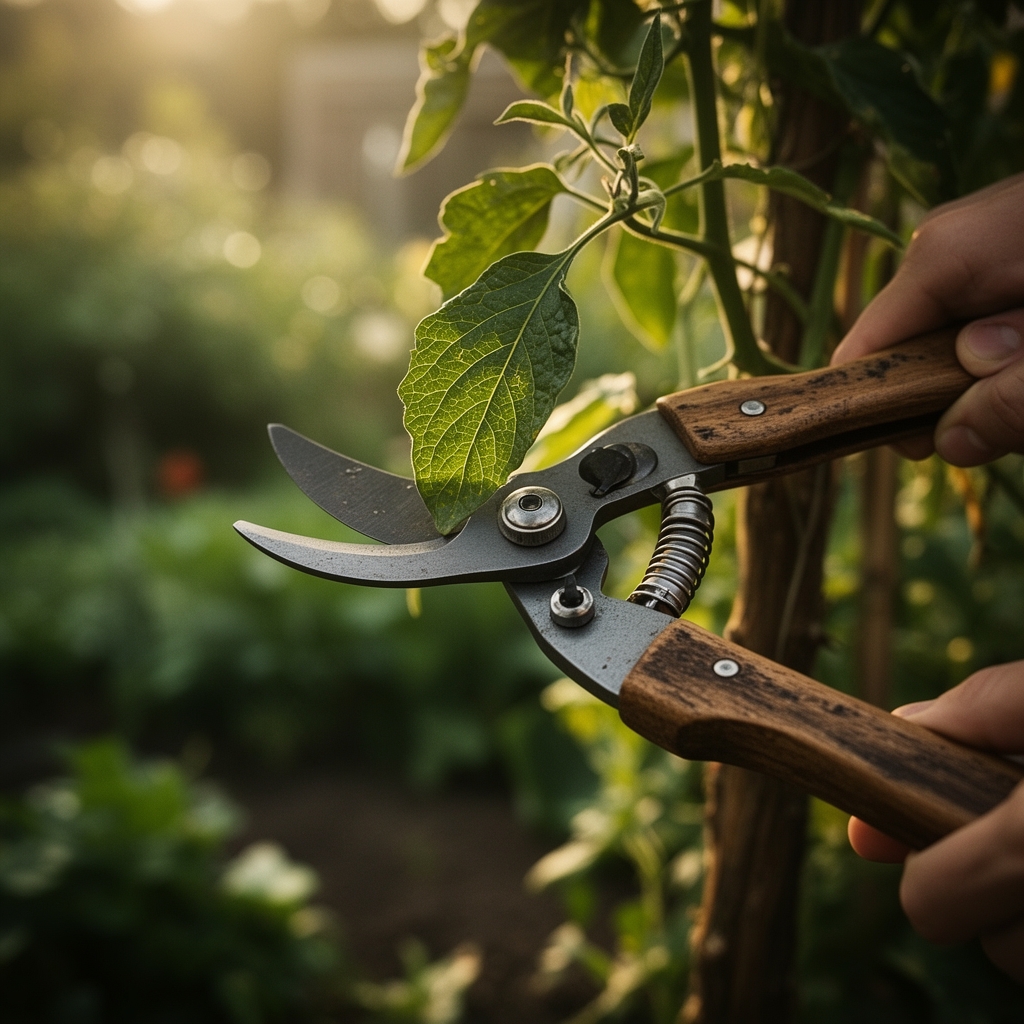
Position lopper blades 1 inch above the soil line. Cutting flush with soil invites crown rot and damages beneficial mycorrhizal fungi networks in the root zone. Angle cuts at 45 degrees to shed moisture, even though dead annuals won't resprout.
For thick-stemmed brassicas and tomatoes, make a preliminary notch on the underside one-third through the stem diameter. This prevents bark from tearing downward as the top cut completes. Use the lopper's full jaw opening; partial cuts splinter wood and dull blades.
Pro-Tip: Cut woody perennial herbs (lavender, rosemary) to 3 inches above lignified growth. This preserves dormant buds in the transition zone between green and brown tissue.
Disposal Phase
Separate disease-free stalks into 12-inch segments before composting. Shorter pieces expose more surface area to decomposer organisms, reducing compost maturity time by 30%. Chipper-shredders accelerate breakdown further but aren't essential.
For diseased material, double-bag in contractor-grade plastic and place in municipal solid waste. Backyard compost rarely sustains thermophilic temperatures long enough to kill all pathogens. University extension studies confirm that tomato late blight (Phytophthora infestans) survives in cool compost for 18 months.
Pro-Tip: Inoculate compost piles with mycorrhizal fungi spore blends rated for vegetable gardens. Species like Glomus intraradices colonize decomposing roots and persist in finished compost, improving transplant establishment the following season.
Troubleshooting
Symptom: Lopper blades bind or slip during cuts on dry stalks.
Solution: Sharpen blades with a 20-degree bevel using a mill file. Lubricate the pivot bolt with lithium grease. Dried xylem tissue contains silica deposits that dull edges faster than green wood.
Symptom: Black sooty residue on blades after cutting tomato or pepper stalks.
Solution: This indicates Alternaria or Septoria spores. Disinfect immediately in 10% bleach solution for 60 seconds, then rinse and dry. Fail to clean, and spores transfer to healthy plant debris.
Symptom: Stalks crush rather than sever cleanly.
Solution: Replace worn anvil or bypass blade. Compressed tissue creates entry wounds for Botrytis and other saprophytes that colonize root systems overwinter.
Symptom: Cut ends ooze clear or amber sap.
Solution: The stalk retains living tissue. Delay removal by one week to allow complete senescence. Cutting living stems wastes stored carbohydrates that could translocate to roots.
Symptom: Roots pull up with stalks during removal.
Solution: Cut higher (2 inches above soil), then use a digging fork to extract taproots separately after the first freeze. This prevents soil structure disruption and preserves earthworm tunnels.
Maintenance
Water cut areas with 0.5 inches of irrigation within 48 hours of removal if no rain occurs. This settles disturbed soil and activates decomposer microbes on surface residue. Avoid overhead watering; use drip lines or soaker hoses to keep humidity low near cut stubs.
Apply a 2-inch layer of shredded leaf mulch or straw two weeks post-removal. Earlier application insulates soil before full frost penetration, delaying the freeze that kills overwintering pest larvae. Late-season mulch moderates temperature swings that heave roots and crack soil aggregates.
Test soil pH and nutrient levels 30 days after clearing stalks. Fall testing reveals baseline conditions without confounding variables from active root exudates. Adjust lime or sulfur applications now; they require 90 to 120 days to alter pH before spring planting.
Sharpen and oil lopper blades after every 50 cuts or at season's end. Store in a dry location with blades closed to maintain spring tension. Inspect pivot bolts and handles annually for cracks.
FAQ
Can I use a chainsaw instead of loppers for large vegetable stalks?
Chainsaws generate excessive vibration that compacts soil and damages surface roots. They also lack precision for cuts near crowns. Reserve chainsaws for woody shrubs and trees.
Should I leave roots in the ground after removing stalks?
Yes, for annual vegetables. Decomposing roots add organic matter and create macropores for air and water infiltration. Extract only diseased roots showing galls or lesions.
How do I handle raspberry or berry canes with a lopper?
Cut spent fruiting canes (floricanes) at ground level immediately after harvest. Leave primocanes (first-year growth) intact. Use 32-inch loppers for leverage on thick canes. Wear leather gloves to avoid thorn punctures.
Do loppers work on ornamental grasses in vegetable gardens?
Standard loppers struggle with fibrous grass stems. Use hedge shears or a pruning saw. Bundle and tie cut grass into 18-inch sheaves for easier composting.
What's the difference between ratchet and standard loppers for dead stalks?
Ratchet mechanisms cut in stages, ideal for users with limited hand strength. They work well on green wood but offer no advantage on brittle dead stalks, which require single decisive cuts.