8 Durable Steps to Build a Vegetable Tool and Seed Shed
The scent of pine resin and turned soil greets you when you open a well-designed tool shed. A proper structure protects hand-forged spades, precision pruning shears, and heirloom seed packets from moisture and temperature swings that degrade steel and embryo viability. Steps for building a vegetable garden shed begin with understanding that this is not merely storage. It is a controlled microclimate where seed dormancy requirements meet tool longevity, where cation exchange capacity in wooden surfaces can buffer humidity, and where strategic placement determines workflow efficiency during transplanting windows.
Materials
Foundation and Framing
Pressure-treated lumber rated for ground contact forms the base. Use 4×4 posts sunk 18 inches below the frost line for your hardiness zone. Frame walls with 2×4 studs on 16-inch centers. Cedar or redwood siding resists fungal decay without chemical treatment. Metal roofing sheds water efficiently and lasts 40 years with minimal maintenance.
Interior Organization Systems
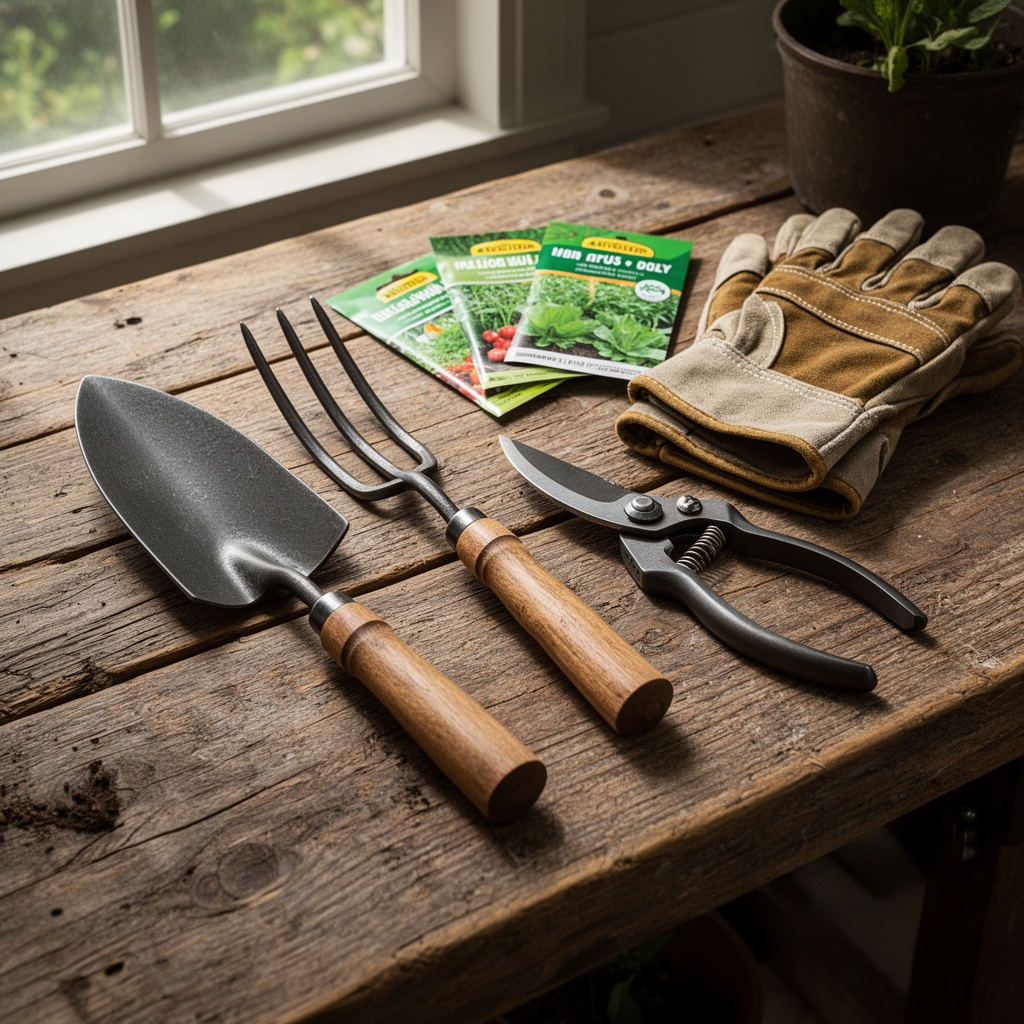
Galvanized wire mesh (1/4-inch openings) prevents rodent entry while allowing air circulation. Marine-grade plywood (3/4-inch) creates workbenches that withstand repeated sanitization with 10% bleach solution. Magnetic tool strips hold pruning shears and soil knives at eye level. Seed storage requires airtight glass jars placed in darkness, maintaining 32-41°F and 20-40% relative humidity.
Soil Amendment Storage
Separate bins hold materials by pH and nutrient profile. Blood meal (12-0-0) requires sealed containers due to nitrogen volatilization. Bone meal (3-15-0) and kelp meal (1-0.5-2) remain stable in breathable burlap sacks. Granular sulfur for pH adjustment (90% elemental sulfur) needs moisture-proof storage. Keep dolomitic lime (calcium carbonate and magnesium carbonate) in sealed drums to prevent atmospheric carbonation. Label each container with NPK ratios and application rates per 100 square feet.
Timing
Construction should occur during your area's dry season. For Zones 3-5, build between late May and August when ground frost has cleared. Zones 6-8 offer March through October windows. Zones 9-11 permit year-round construction but avoid monsoon periods.
Schedule completion two weeks before your first spring seed-starting date. This allows interior organization and climate stabilization. The wooden structure will off-gas volatile compounds for 10-14 days. This period prevents contamination of sterile seed-starting media.
Phases
Site Preparation and Foundation (Days 1-3)
Clear a 10×12-foot area. Remove topsoil to expose subsoil with better drainage. Compact a 4-inch gravel base using a plate compactor. This layer prevents capillary moisture rise. Install landscape fabric rated for 20-year durability. Set pressure-treated skids level within 1/8 inch using a builder's level.
Pro-Tip: Orient the shed door to face southeast. Morning sun warms the interior gradually, preventing condensation on metal tools that leads to rust formation.
Framing and Enclosure (Days 4-7)
Erect walls and secure them with structural screws, not nails. Screws resist frost heaving better. Install roof trusses at 24-inch intervals. Apply roofing felt (30-pound weight) before metal panels. Seal all seams with butyl tape to achieve weather-tightness.
Add ventilation gables at both ends. Passive airflow prevents moisture accumulation that triggers fungal growth on wooden handles. Aim for 1 square foot of vent area per 150 square feet of floor space.
Pro-Tip: Install a cupola vent at the roof peak. Hot air rises and exits naturally, creating negative pressure that draws fresh air through lower vents.
Interior Systems and Organization (Days 8-10)
Anchor workbenches to wall studs using 3-inch lag bolts. Position bench height at 36 inches for comfortable seed-packet sorting and tool maintenance. Install overhead hooks on ceiling joists (rated for 50 pounds each) for hanging hand cultivators and rakes. Mount pegboard panels on one wall for frequently accessed items.
Create a dedicated seed-starting zone with south-facing windows. Install 1/2-inch rigid foam insulation behind this area to moderate temperature swings during late winter starts.
Pro-Tip: Apply food-grade mineral oil to wooden workbench surfaces. This treatment prevents water absorption and makes soil cleanup easier. Reapply every six months.
Troubleshooting
Symptom: Condensation on interior walls
Solution: Increase passive ventilation by adding soffit vents. Install a vapor barrier (6-mil polyethylene) between exterior sheathing and siding. Limit storage of wet materials like fresh compost.
Symptom: Rust formation on metal tools
Solution: Maintain interior relative humidity below 50%. Coat tool blades with camellia oil (refined from Camellia oleifera seeds). This traditional Japanese treatment creates a hydrophobic barrier without petroleum residue.
Symptom: Rodent entry and seed consumption
Solution: Seal all gaps larger than 1/4 inch. Install metal flashing at the foundation-wall junction. Store all seeds in glass containers with rubber gasket lids.
Symptom: Seed viability loss despite controlled temperature
Solution: Light exposure degrades gibberellin and auxin distribution in seed embryos. Paint seed storage areas flat black or line shelves with light-blocking fabric. Test germination rates every six months.
Symptom: Wood rot on sill plates
Solution: Verify drainage away from foundation. Regrade soil to create a 2% slope for 6 feet in all directions. Replace affected lumber with pressure-treated material rated for ground contact (minimum 0.40 retention level).
Maintenance
Inspect roofing annually before winter. Tighten loose screws and replace damaged panels immediately. Sweep floors monthly to prevent soil accumulation that increases humidity. Sharpen tool blades every 20 hours of use with a 20-degree bevel angle for spades and hoes.
Oil wooden handles twice yearly with boiled linseed oil. Apply 1 fluid ounce per handle. Allow 48 hours drying time before use. Clean metal surfaces after each use with a dry cloth. Remove soil particles that trap moisture against steel.
Check seed viability every March. Perform germination tests on paper towels moistened with distilled water. Discard packets showing less than 60% germination rates. Record storage dates on all containers using permanent marker.
Repaint or re-stain siding every five years. Sand to bare wood before applying new coats. Use exterior-grade products with UV inhibitors and fungicides rated for agricultural structures.
FAQ
How large should a tool shed be for a 2000-square-foot vegetable garden?
An 8×10-foot shed provides adequate storage for tools, soil amendments, and seed inventory for gardens up to 3000 square feet. Add 20 square feet of floor space for every additional 1000 square feet of garden beds.
What is the ideal interior temperature for seed storage?
Maintain 32-41°F with humidity at 20-40%. Each 10-degree temperature increase halves seed longevity. Install a min-max thermometer to monitor fluctuations.
Should I insulate the shed walls?
Insulation benefits only if you heat the space for winter propagation. Otherwise, passive ventilation and proper siding provide sufficient protection for tools and dormant seeds.
What foundation type works best for heavy clay soil?
Use concrete deck blocks on compacted gravel. Avoid poured footings in expansive clay. The blocks accommodate frost heaving without structural damage.
How do I prevent mycorrhizal inoculant degradation in storage?
Store granular inoculants at 35-45°F in original packaging. Fungal spores remain viable for 18 months under these conditions. Liquid formulations require refrigeration and expire within six months.