9 Layout Steps to Prepare a Low-Maintenance Vegetable Garden
Learning how to prepare a garden for a low maintenance vegetable garden begins with soil structure, not aesthetics. The difference between annual replanting cycles and perennial productivity lies in upfront preparation. When roots encounter compacted clay at eight inches, crops stall. When organic matter feeds microbes year-round, fertility becomes autonomous. The weekend gardener who invests twelve hours in layout will harvest three seasons with minimal intervention.
Materials
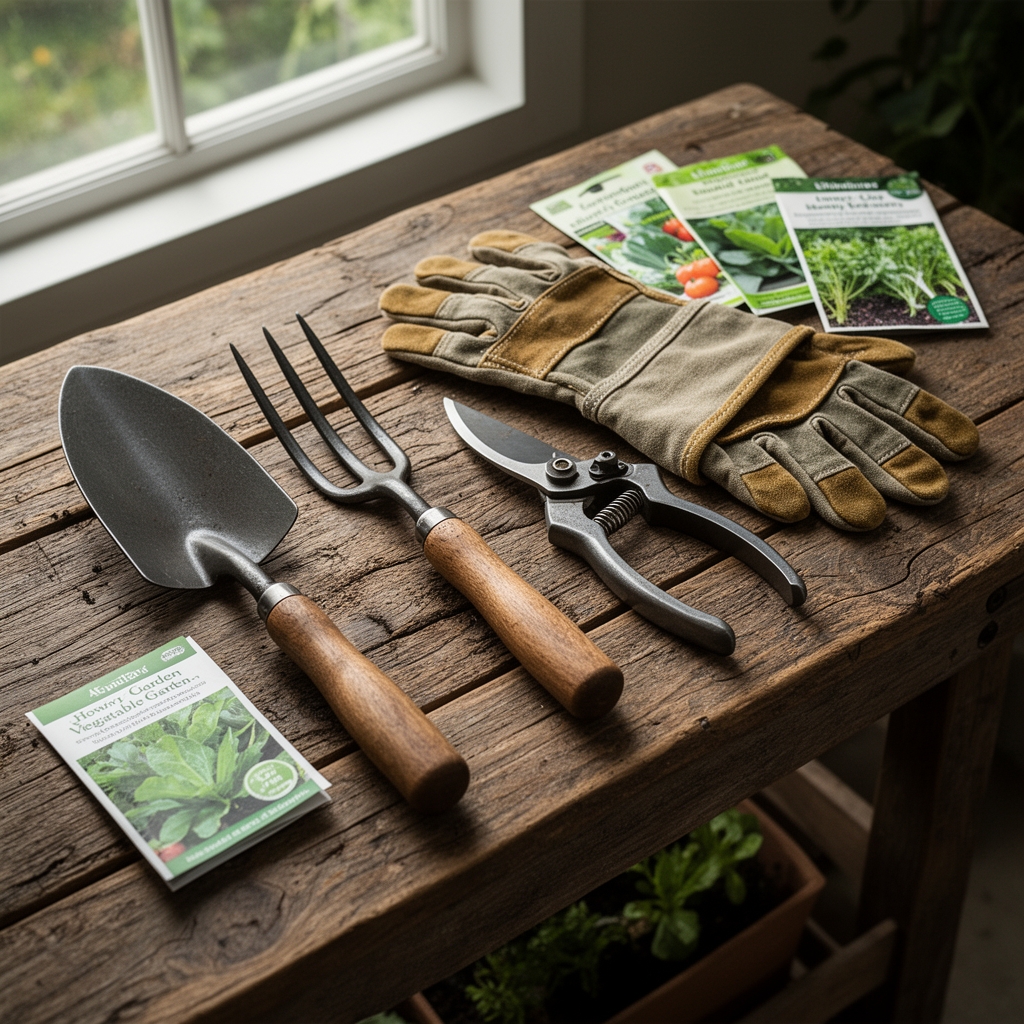
Assemble components by function. For soil amendment, source 2-3 cubic yards of composted leaf mold per 100 square feet. Its carbon-to-nitrogen ratio of 30:1 feeds slow-release decomposition. Add alfalfa meal at 4-4-4 NPK to buffer pH between 6.2 and 6.8, the threshold for optimal phosphorus availability. Incorporate rock phosphate at 0-3-0 for long-term reserves. Mycorrhizal fungi inoculant, specifically Glomus intraradices, colonizes root hairs within fourteen days when applied to transplant holes.
For weed suppression, acquire untreated cardboard and 4 inches of hardwood mulch. Landscape fabric degrades cation exchange capacity by blocking organic incorporation. For irrigation, select quarter-inch drip line with emitters spaced every twelve inches. For edging, galvanized steel or composite lumber prevents rhizome invasion from perennial grasses.
Timing
Zones 3-5 demand preparation between late April and mid-May, two weeks after the last spring frost. Soil temperature must reach 50°F at four-inch depth for microbial activation. Zones 6-7 permit work from late March through early April. Zones 8-10 benefit from fall preparation, October through November, allowing winter rains to consolidate amendments.
Avoid tilling wet soil. Squeeze a handful. If it forms a ribbon, wait. Clay particles compress into anaerobic clods, inhibiting root penetration for eighteen months. Schedule layout during a three-day dry window following rain.
Phases

Step 1: Site Assessment and Grading
Measure sun exposure with a compass and timer. Six hours of direct light minimum. Mark shadows at 10 AM, 1 PM, and 4 PM. Slope should drain at 2% grade, approximately 2 inches per 10 feet, to prevent waterlogging. Remove existing sod with a flat spade, cutting roots at two inches.
Step 2: Soil Testing and Amendment
Send samples to a cooperative extension lab. Request cation exchange capacity, not just NPK. Sandy loam with CEC below 10 meq/100g requires 30% compost by volume. Clay above 25 meq/100g needs coarse sand and gypsum at 5 pounds per 100 square feet to flocculate particles.
Pro-Tip: Broadcast amendments, then till to eight-inch depth. Deeper disruption severs established fungal networks.
Step 3: Bed Formation
Construct raised beds 4 feet wide, allowing arm's reach from both sides. Length is flexible. Height of 12 inches improves drainage in clay regions. Fill with native soil blended 1:1 with compost. Beds oriented north-south maximize equatorial light distribution.
Step 4: Pathway Definition
Establish 24-inch walkways between beds. Lay cardboard two layers thick, overlapping seams by six inches. Top with hardwood mulch. This carbon barrier starves weed seeds of light while feeding soil structure as it decomposes over three years.
Pro-Tip: Avoid cedar or walnut mulch. Allelopathic compounds inhibit solanaceous crops.
Step 5: Irrigation Installation
Bury drip lines one inch below the soil surface along bed centers. Connect to a timer releasing 1 inch of water weekly, split into two 30-minute sessions. Deep, infrequent watering drives roots downward. Shallow daily watering produces dependency and disease.
Step 6: Companion Planting Layout
Group by water and nutrient needs. Zone 1: Heavy feeders including tomatoes, peppers, and brassicas. Zone 2: Legumes such as bush beans fixing nitrogen at 2-3 pounds per 100 square feet annually. Zone 3: Root crops in loosened, rock-free soil.
Pro-Tip: Interplant basil among tomatoes. Its volatile oils mask auxin signals that attract aphids.
Step 7: Transplanting Protocol
Dig holes twice the root ball diameter. Dust roots with mycorrhizal inoculant. Backfill without compressing. Water with diluted fish emulsion at 5-1-1 NPK to stimulate root hair proliferation within 48 hours.
Step 8: Mulch Application
Apply 3 inches of straw mulch around transplants, keeping a 2-inch gap at stems to prevent collar rot. Mulch moderates soil temperature by 10°F, reducing evaporation by 40%.
Step 9: Perimeter Defense
Install a 6-inch barrier of crushed stone along bed edges. Slugs avoid abrasive surfaces. For burrowing rodents, line bed bottoms with half-inch hardware cloth before filling.
Troubleshooting
Symptom: Yellowing lower leaves with green veins.
Solution: Iron chlorosis from pH above 7.0. Apply sulfur at 1 pound per 100 square feet to lower pH by 0.5 units over sixty days.
Symptom: Blossom end rot, black sunken spots on tomato bases.
Solution: Calcium deficiency despite soil levels. Inconsistent watering disrupts calcium transport via xylem. Maintain even moisture.
Symptom: Wilting despite wet soil.
Solution: Root rot from Pythium species. Improve drainage. Drench with beneficial Trichoderma harzianum at label rates.
Symptom: Stunted growth with purple leaf undersides.
Solution: Phosphorus lockout below 60°F soil temperature or pH below 6.0. Warm soil with clear plastic for one week. Test and lime if needed.
Maintenance
Water 1 inch per week, verified with a rain gauge. Side-dress heavy feeders with compost tea monthly, diluted 1:4. Prune indeterminate tomatoes to one or two leaders, removing suckers at 45-degree angles to prevent disease entry. Replenish mulch to 3-inch depth in midsummer as decomposition reduces volume. Rotate plant families annually to disrupt soilborne pathogen cycles.
FAQ
How deep should I prepare soil for root vegetables?
Loosen to 12 inches for carrots and parsnips. Their taproots fork when encountering compaction at shallow depths.
Can I use fresh manure?
No. Uncomposted manure burns roots with ammonia and harbors E. coli. Age manure six months or compost at 140°F for pathogen elimination.
When do I fertilize established beds?
Top-dress with 1-inch compost each spring. Soil biology converts organic matter to plant-available nutrients without leaching.
How do I prevent perennial weeds?
The cardboard layer blocks 95% of rhizomatous species. Hand-pull breakthrough shoots before seed set.
What if my soil test shows lead contamination?
Grow in raised beds with imported soil. Lead binds to organic matter and doesn't translocate into fruiting bodies, but leafy greens absorb trace amounts.