
8 Best Rust Prevention Sprays for Vegetable Garden Equipment
The scent of oxidized iron signals failure before you even reach the shed. When rust claims your spade, hoe, or trowel, it compromises cutting edges, weakens structural integrity, and introduces tetanus risk into every soil contact. Best vegetable garden tool rust prevention begins with understanding that ferrous oxide formation accelerates in environments with high humidity, residual soil moisture, and inadequate protective barriers. A single growing season of neglect can render a $40 hand fork irreparable.
Materials
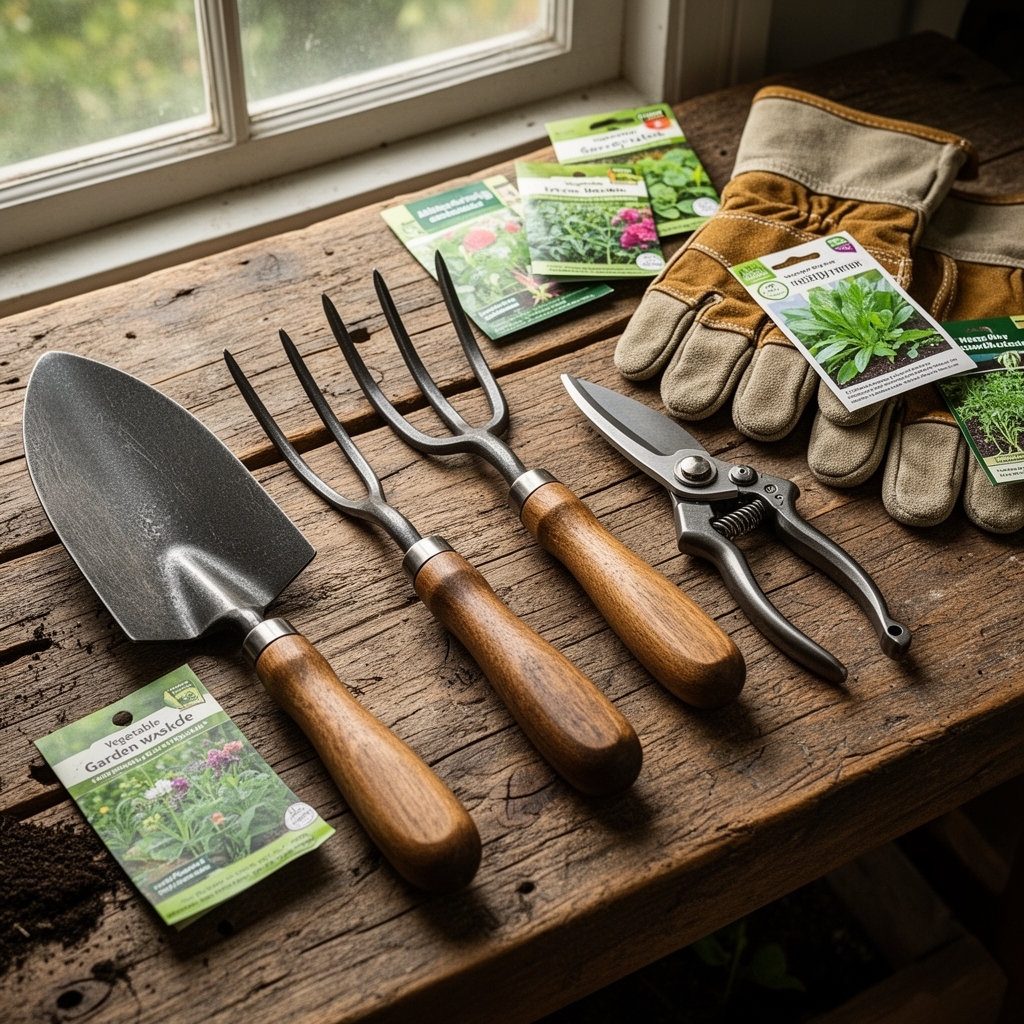
Rust prevention demands both chemical barriers and mechanical maintenance. Petroleum-based sprays create hydrophobic films that exclude oxygen and moisture from metal surfaces. Boiled linseed oil (zero NPK value) polymerizes into a durable coating suitable for wooden handles and carbon steel blades. Lanolin-based products, derived from wool wax, offer pH-neutral protection that does not alter soil chemistry when trace amounts transfer during use.
For gardeners prioritizing non-toxic options, food-grade mineral oil provides temporary protection requiring monthly reapplication. Silicone sprays form extremely thin barriers with excellent water displacement but poor adherence on porous wooden components. Wax-based sealants, typically blended with carnauba at ratios near 3:1 with beeswax, deliver six-month protection under moderate use conditions.
Abrasive materials matter equally. Aluminum oxide sandpaper in 80-grit removes active rust without excessive metal removal. Wire brushes with 0.012-inch brass bristles clean crevices near rivets and bolts. White vinegar at 5% acetic acid dissolves light surface oxidation through chelation, though prolonged exposure etches steel. Baking soda paste (sodium bicarbonate) neutralizes acidic corrosion while providing mild abrasive action.
Timing
Rust prevention follows a seasonal cadence aligned with hardiness zones and humidity patterns. In Zones 3-5, perform initial treatments in late March, two weeks before last frost, when tools emerge from winter storage. Mid-season maintenance occurs at summer solstice when relative humidity peaks during vegetable canopy establishment. Final autumn treatment happens immediately after first frost, ideally when soil temperatures drop below 45°F and active cultivation ceases.
Zones 6-8 require three interventions: early April pre-planting preparation, mid-July maintenance coinciding with second succession plantings, and late October post-harvest preservation. Coastal zones with persistent marine air demand monthly inspection regardless of use frequency. Desert zones (9-11) shift focus to dust abrasion and thermal expansion, requiring quarterly treatment despite low oxidation rates.
Phases

Initial Restoration: Remove existing corrosion using the least aggressive method effective. Begin with brass brush agitation, escalating to 80-grit sandpaper only for pitted surfaces. Submerge heavily rusted tools in white vinegar for 24 hours, checking at 6-hour intervals to prevent over-etching. Rinse with distilled water to eliminate chloride ions from municipal supplies. Dry immediately using forced air or heat gun set to 150°F, as residual moisture initiates flash rusting within 20 minutes.
Pro-Tip: Apply rust converter containing tannic acid to transform remaining ferrous oxide into stable ferric tannate. This black coating accepts topical sealants better than bare steel and fills micro-pits that harbor moisture.
Protection Application: Warm metal surfaces to 80°F using sunlight or controlled heat to improve oil penetration into grain boundaries. Apply boiled linseed oil in thin coats, allowing 12 hours between layers for oxidative polymerization. Three coats establish baseline protection. For petroleum sprays, hold nozzle 8 inches from surface, applying in overlapping passes until liquid beads form. Wipe excess after 10 minutes to prevent sticky residue that attracts soil particles.
Pro-Tip: Treat wooden handles separately with pure tung oil, avoiding blade contact. Tung oil's alpha-eleostearic acid content creates harder films than linseed, preventing water wicking through handle grain that reaches tang interfaces.
Storage Protocol: Suspend tools on pegboard mounts to prevent ground contact and ensure air circulation around all surfaces. Silica gel desiccant packets (indicating type preferred) maintain sub-40% relative humidity in enclosed storage. Place tools with cutting edges facing downward to prevent moisture accumulation at blade-to-handle junctions. Insert straw or cork between nested trowels and cultivators to eliminate capillary moisture traps.
Pro-Tip: Wrap high-carbon steel blades in VCI (vapor corrosion inhibitor) paper during winter storage exceeding 90 days. VCI molecules form monomolecular protective layers without oily residue requiring removal before spring use.
Troubleshooting
Symptom: Orange powder on blade surfaces after storage.
Solution: Surface flash rust from humidity spikes. Remove with fine steel wool (0000 grade), apply two coats of silicone spray immediately, then reassess storage environment ventilation. Install passive air vent if storing in sealed sheds.
Symptom: Black flaking on tool edges post-treatment.
Solution: Excess linseed oil application created non-polymerized gum layer. Strip completely using mineral spirits on cotton cloth. Allow 48-hour drying period, then reapply single thin coat with 24-hour cure time between maximum three layers.
Symptom: Pitting corrosion at rivet joints despite regular treatment.
Solution: Crevice corrosion from differential aeration. Disassemble tools where possible, treat interior surfaces with penetrating oil, then reassemble with marine-grade thread sealant on fasteners. Non-removable rivets require localized wax injection using syringe applicator.
Symptom: White crystal formation on handles.
Solution: Salt efflorescence from perspiration transfer. Clean handles with mild detergent solution, rinse thoroughly, dry completely. Apply handle-specific wax containing UV inhibitors to seal wood grain and prevent salt intrusion.
Maintenance
Inspect tools after every 4 hours of soil contact use. Scrape adhering soil immediately using wooden paint stirrer to avoid scratching protective coatings. Rinse with low-pressure water (garden hose adequate), avoiding high-pressure washers that strip oils from metal grain. Dry within 15 minutes using cotton towels, paying particular attention to socket interfaces and adjustment mechanisms.
Reapply protective spray monthly during active growing season (April through September in temperate zones). Apply 0.5 ml of oil per 10 square inches of blade surface, measured using calibrated dropper for consistency. Sharpen blades at 25-degree angle using mill file before each oil application, as fresh metal requires immediate sealing. Store maintenance supplies in labeled containers: separate brushes for rust removal and oil application to prevent cross-contamination.
Check wooden handles biweekly for splitting or grain raising. Sand lightly with 220-grit paper, wipe with tack cloth, then apply single coat of handle treatment. Tighten all fasteners quarterly using properly sized wrenches to avoid stripping heads. Replace tools when blade thickness reduces by 30% of original dimension or when handles show longitudinal cracks exceeding 2 inches.
FAQ
How often should I oil garden tools?
Monthly during use season, immediately after each wet-soil session, and before any storage period exceeding two weeks. Boiled linseed oil requires less frequent application than mineral oil due to superior film formation.
Can I use WD-40 for rust prevention?
WD-40 displaces water effectively but provides only 2-week protection. Use as emergency treatment or pre-cleaning step, then apply dedicated long-term protectant within 24 hours for lasting results.
Do stainless steel tools need rust prevention?
Yes, though less frequently. Stainless steel resists uniform corrosion but remains vulnerable to pitting at welds and stress points. Apply protective coating every 90 days to cutting edges and adjustment mechanisms.
What removes rust without damaging temper?
Chemical methods (vinegar, citric acid) and manual abrasion (brass brush, fine sandpaper) preserve heat treatment. Avoid power grinders generating frictional heat exceeding 400°F, which destroys edge hardness in high-carbon steel.
How do I prevent rust on stored tillers?
Drain all fuel, run engine dry, fog cylinder with storage oil, clean soil from tines completely, coat all bare metal with corrosion inhibitor, cover with breathable tarp, and elevate on blocks to prevent ground moisture contact.