7 Expert Steps to Prepare a Maximum Production Vegetable Garden
Soil preparation separates marginal yields from maximum production. Understanding how to prepare a garden for an expert vegetable garden begins beneath your feet, where root architecture, microbial populations, and nutrient availability determine whether plants survive or thrive. The scent of turned earth rich in organic matter, the crumble of properly aggregated soil between your fingers, and the dark color indicating high humus content signal a foundation ready for intensive cultivation.
Materials
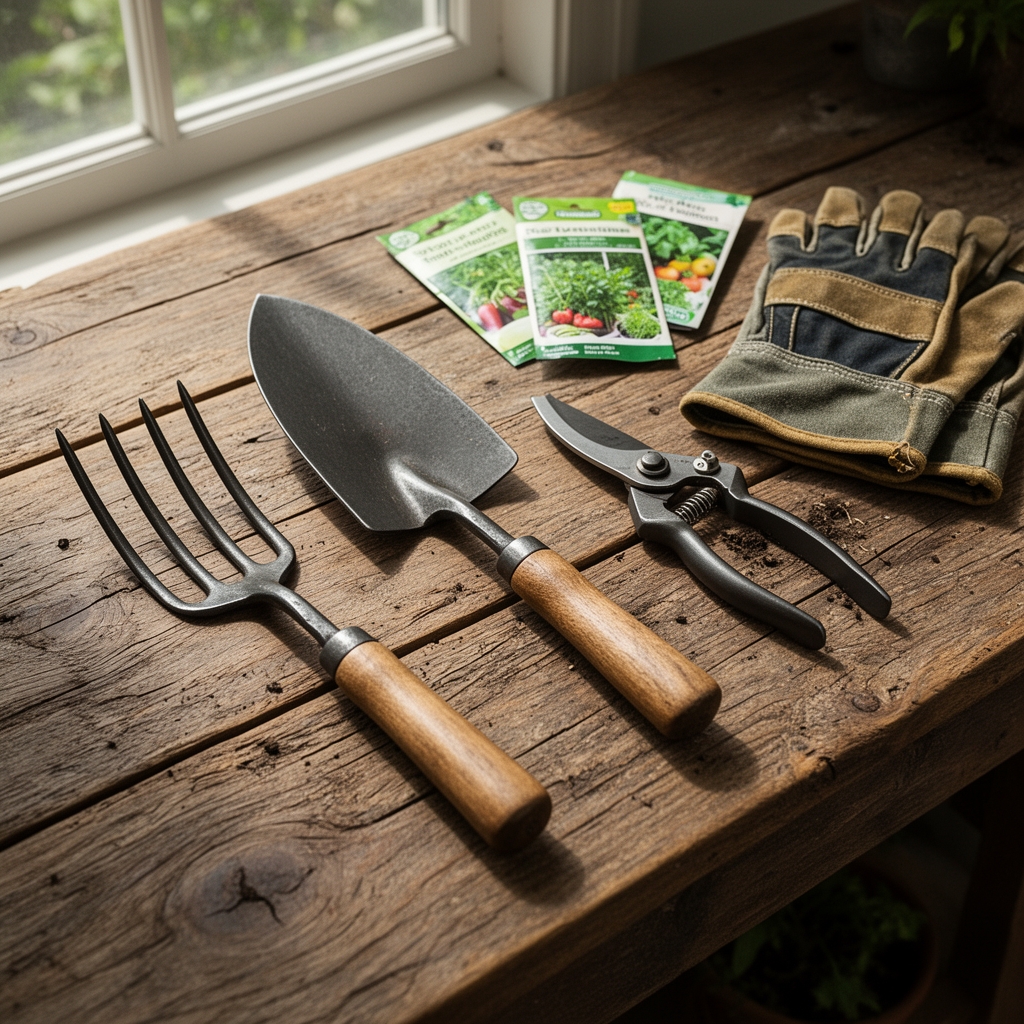
Soil amendments must match both existing conditions and target crops. Test kits measuring pH (aim for 6.0-7.0 for most vegetables), nitrogen, phosphorus, and potassium levels guide precise corrections. Alkaline soils above 7.5 require elemental sulfur at 1-2 pounds per 100 square feet. Acidic soils below 6.0 need dolomitic limestone at 5-10 pounds per 100 square feet.
Organic amendments with balanced NPK ratios build long-term fertility. Aged compost (approximately 1-1-1) improves cation exchange capacity while feeding soil organisms. Alfalfa meal (2-1-2) releases nitrogen steadily over 4-6 weeks. Kelp meal (1-0-2) provides trace minerals and natural cytokinins. Bone meal (3-15-0) supplies phosphorus for root development. Blood meal (12-0-0) delivers fast-acting nitrogen for leafy greens.
Mycorrhizal fungi inoculants establish symbiotic relationships that extend effective root zones by 100-1000 times. Apply granular inoculants at 1 tablespoon per transplant hole or 1 pound per 100 square feet for direct seeding.
Incorporate 2-4 inches of compost into the top 8-12 inches of native soil. This ratio maintains structure while dramatically improving water retention and nutrient density.
Timing
Hardiness zones dictate preparation windows. Zones 3-5 require fall preparation, working amendments into soil 4-6 weeks before first frost. Winter freeze-thaw cycles break up clods and integrate organic matter. Zones 6-9 allow both fall and early spring preparation, completing soil work 3-4 weeks before last frost date. Zones 10-11 prepare beds during the coolest months, typically November through January.
Soil temperature matters more than air temperature. Most vegetable seeds germinate poorly below 50°F. Warm-season crops like tomatoes, peppers, and cucumbers demand soil temperatures above 60°F. Use a soil thermometer at 4-inch depth for accurate readings.
Cover crops planted in fall and terminated in spring add 2-3% organic matter annually. Winter rye, crimson clover, and Austrian field peas fix nitrogen while preventing erosion. Terminate cover crops 2-3 weeks before planting, allowing residue to decompose.
Phases
Sowing Phase: Direct seeding requires soil particle size smaller than the seed itself. Break clods until the seedbed resembles coarse coffee grounds. Plant at depths 2-3 times seed diameter. Firm soil contact on all seed surfaces ensures even moisture uptake. Space rows according to mature canopy spread, typically 18-36 inches for most vegetables.
Pro-Tip: Pre-germinate large seeds like beans, peas, and corn by soaking 12-24 hours. This reduces germination time by 40% and improves stand uniformity.
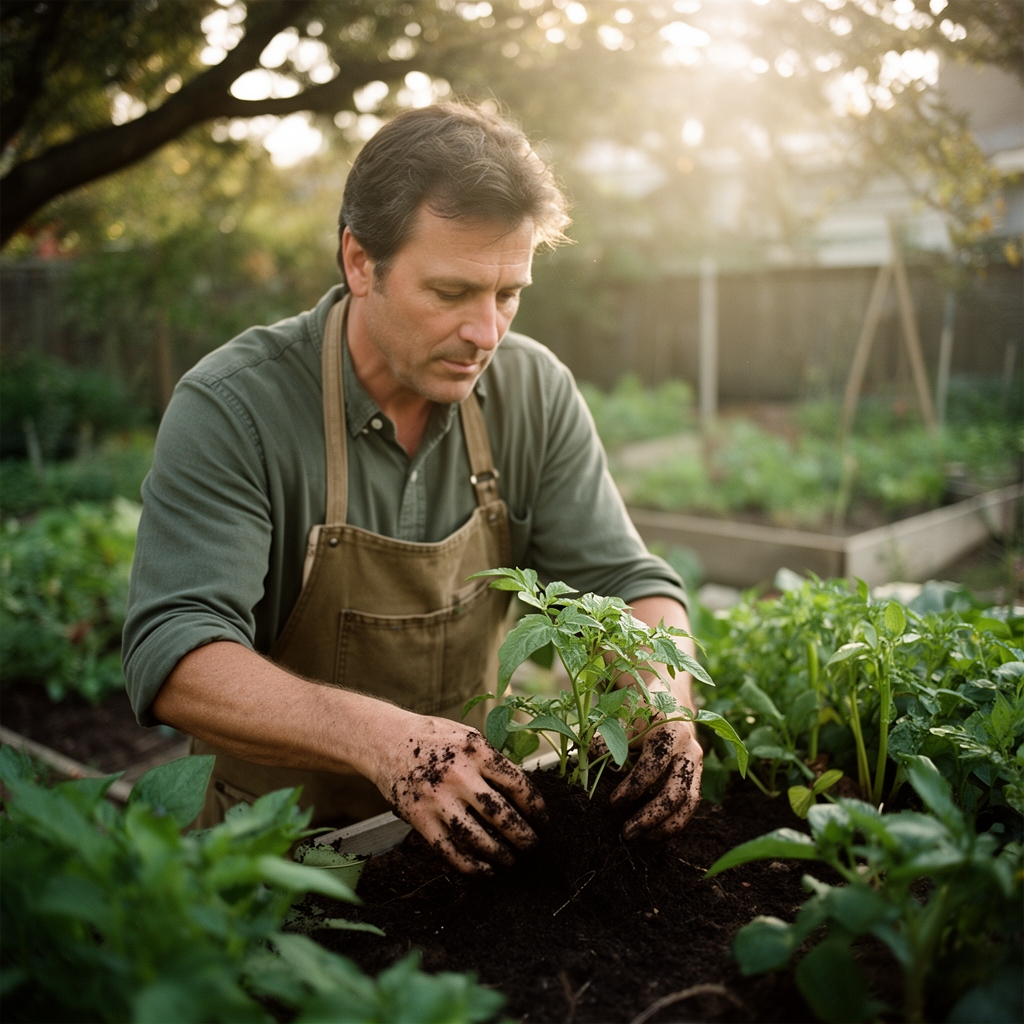
Transplanting Phase: Harden off seedlings by reducing water and exposing them to outdoor conditions over 7-10 days. Transplant on cloudy days or in evening hours to minimize transplant shock. Dig holes 1.5 times root ball diameter. Set transplants at the same depth as container soil line, except tomatoes which benefit from deep planting to develop adventitious roots along buried stems.
Pro-Tip: Apply diluted kelp solution (1 tablespoon per gallon) at transplanting to stimulate auxin distribution and root hair development. Expect 30% faster establishment.
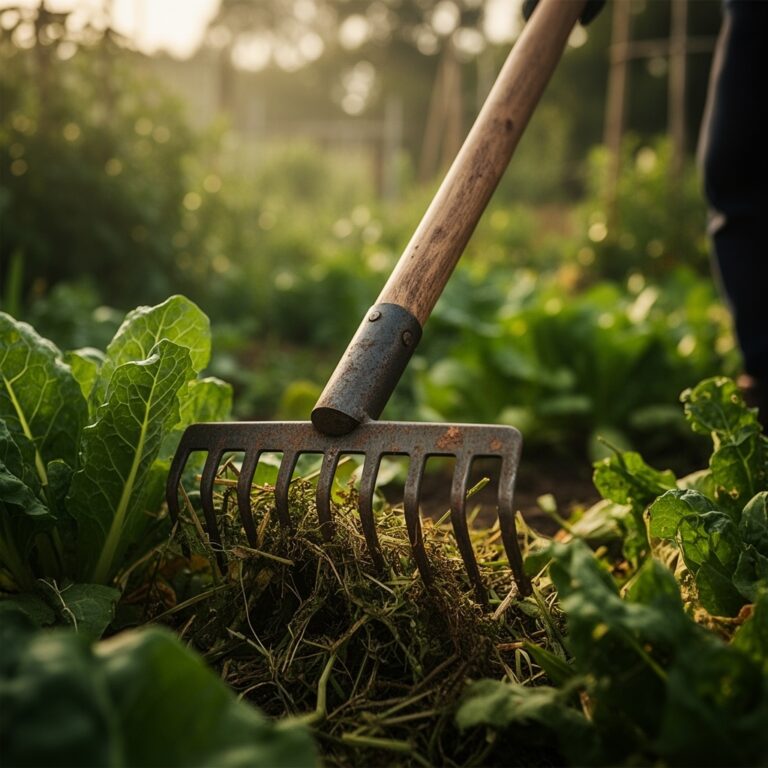
Establishing Phase: Mulch establishes weed suppression and moisture retention. Apply 2-3 inches of organic mulch after soil warms to 65°F. Earlier mulching in cool conditions delays warming and slows growth. Straw, shredded leaves, and grass clippings decompose at different rates. Straw lasts one season. Shredded leaves last 4-6 months. Fresh grass clippings require thin 1-inch layers to prevent anaerobic decomposition.
Pro-Tip: Install drip irrigation before mulching. Drip tape placed 1 inch below soil surface with emitters every 12 inches delivers water directly to root zones with 90% efficiency compared to 50-60% for overhead sprinklers.
Troubleshooting
Symptom: Yellowing lower leaves with green veins indicate iron chlorosis.
Solution: Lower soil pH with sulfur or apply chelated iron at 1-2 ounces per 100 square feet. Avoid over-watering, which exacerbates the condition.
Symptom: Purple-tinged leaves signal phosphorus deficiency, common in cold soil below 55°F.
Solution: Warm soil with black plastic mulch or wait for natural warming. Apply liquid phosphorus (0-10-0) as foliar spray at 1 tablespoon per gallon.
Symptom: Blossom end rot appears as dark, sunken spots on tomato and pepper fruits.
Solution: Maintain consistent soil moisture. Apply calcium nitrate at 1 tablespoon per gallon every 7-10 days. Erratic watering disrupts calcium transport through xylem tissue.
Symptom: Damping off causes seedling collapse at soil line.
Solution: Improve air circulation, reduce watering frequency, and apply beneficial Trichoderma fungi to seedling trays. Sterilize containers and tools between uses.
Symptom: Stunted growth with dark green leaves indicates nitrogen excess.
Solution: Flush soil with water to leach excess nitrogen. Reduce or eliminate nitrogen fertilizers for 4-6 weeks.
Maintenance
Water deeply to 6-8 inches once weekly rather than shallow daily irrigation. This encourages deep root penetration and drought tolerance. Apply 1-1.5 inches of water per week through rainfall and irrigation combined. Use rain gauges to measure precise amounts.
Side-dress heavy feeders like tomatoes, corn, and brassicas with compost or 5-10-10 fertilizer at 1 cup per 10 feet of row every 3-4 weeks. Apply 6 inches from plant stems to avoid root burn.
Scout for pests twice weekly. Early detection allows mechanical removal before populations explode. Handpick hornworms, aphids, and beetles into soapy water.
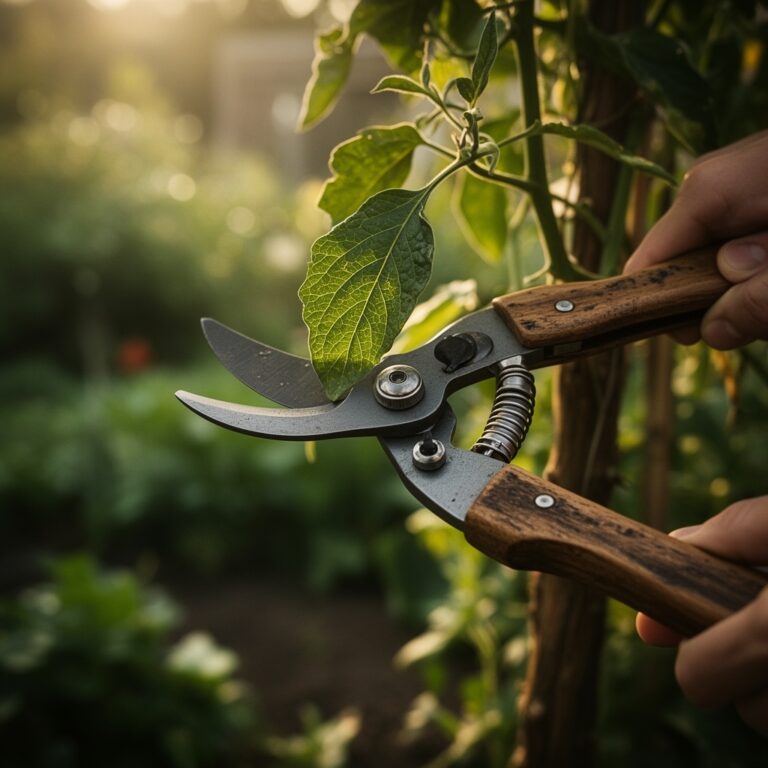
Prune indeterminate tomatoes to 1-2 main stems by removing suckers weekly. This concentrates auxin distribution and increases fruit size by 20-30%.
FAQ
How deep should I till for maximum production?
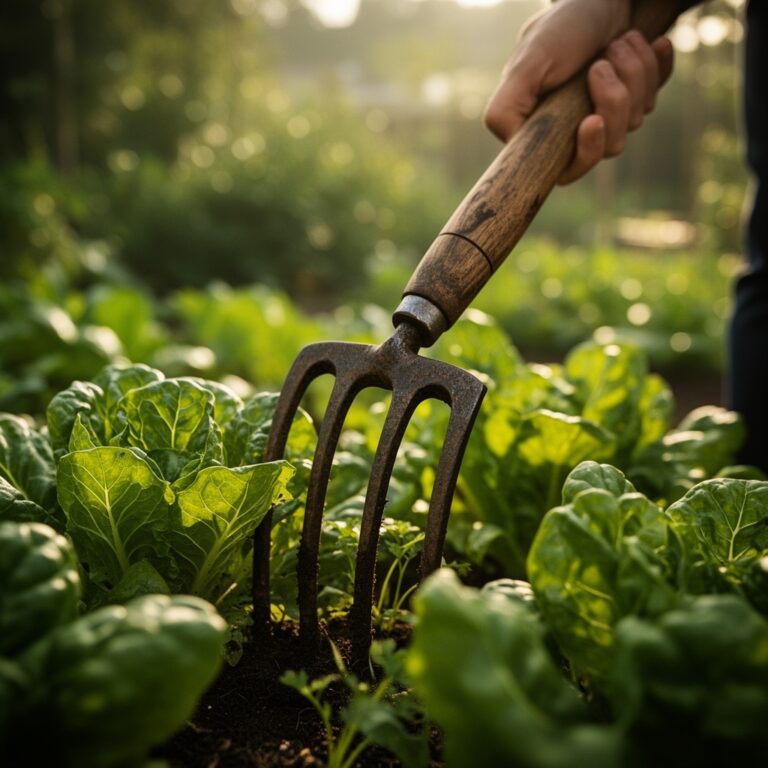
Till 8-12 inches deep for annual vegetables. Deeper tilling disrupts soil structure and beneficial organisms. Use a broadfork instead of a rototiller to preserve aggregation.
When should I apply fertilizer?
Apply half the season's nitrogen at planting and the remainder in split applications every 3-4 weeks. Phosphorus and potassium go in at bed preparation since they move slowly through soil.
Can I reuse potting soil?
Sterilize used potting soil by heating to 180°F for 30 minutes or solarizing under clear plastic for 4-6 weeks in summer. This kills pathogens and weed seeds.
What spacing maximizes yields?
Intensive spacing at 80% of recommended distances increases yields per square foot by 40-60% but requires precise fertility and water management. Standard spacing reduces disease pressure and management intensity.
How do I know when soil is ready to work?
Squeeze a handful of soil. If it forms a ball that crumbles when poked, it is ready. If it stays in a muddy ball, wait 2-3 days. Working wet soil destroys structure for entire seasons.