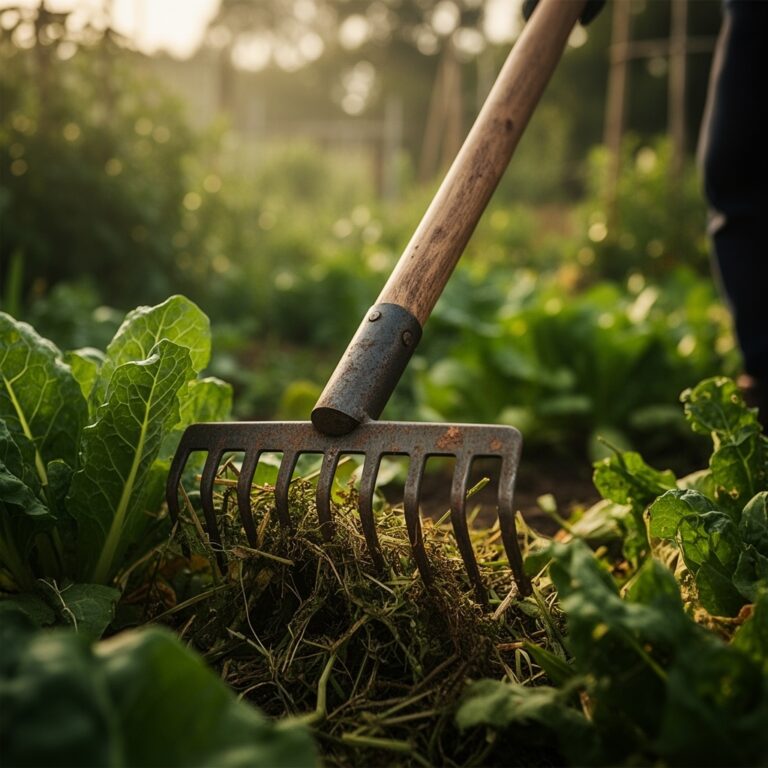
9 Best Replacement Handles for Vegetable Garden Tools
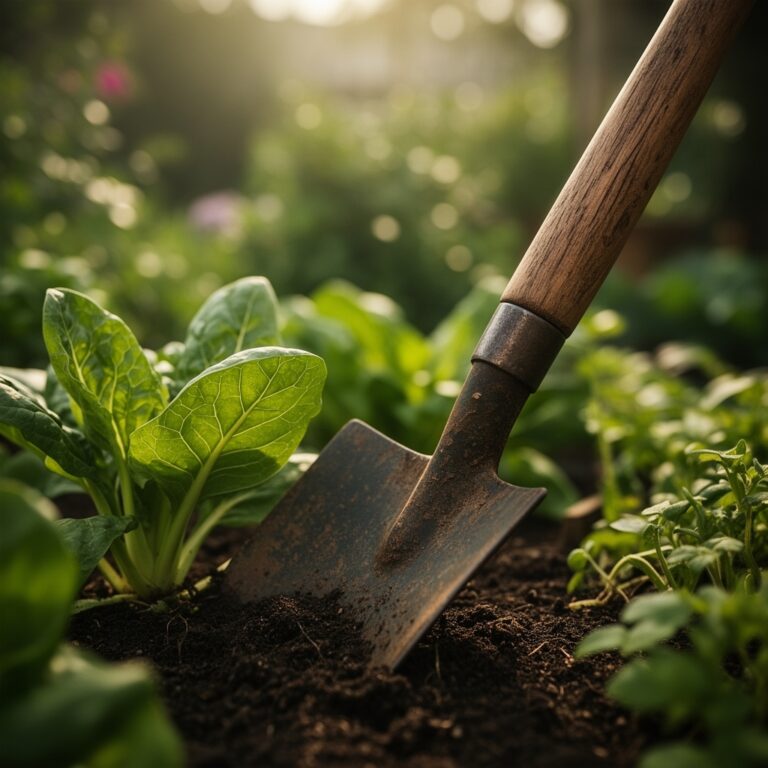
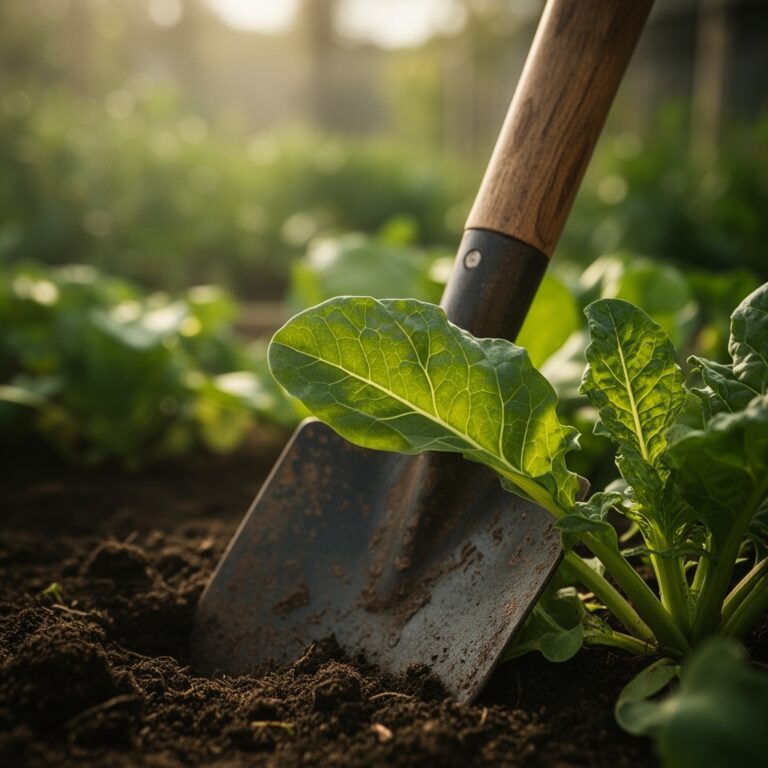
The handle of a spade snaps cleanly at 7 a.m. on a Saturday, two rows into spring bed preparation. The tool head remains embedded in clay soil. The gardener's momentum halts. This scenario repeats across thousands of vegetable gardens each season when original equipment handles fail under torque loads, moisture cycling, or simple fatigue fractures. Selecting the best vegetable garden tool handles transforms routine maintenance into a decade-long investment, preserving expensive forged steel heads and maintaining the specific balance points that experienced hands recognize instantly.
Materials
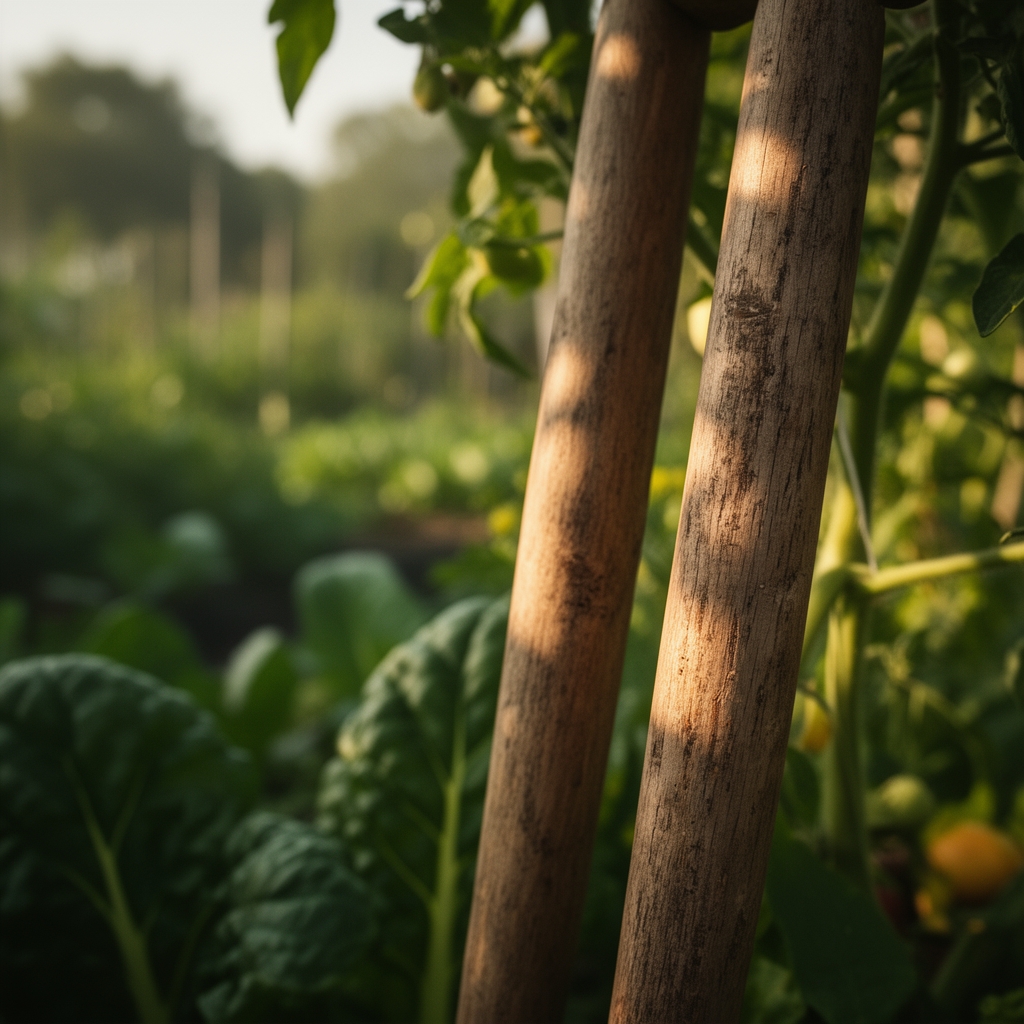
Replacement handles divide into three primary material classes, each with distinct performance profiles under field conditions.
Ash (Fraxinus americana) dominates professional-grade applications. The wood exhibits a Janka hardness of 1,320 lbf with exceptional flexibility along the grain. Ash handles absorb impact vibration through their open cellular structure while maintaining tensile strength under lateral bending. The material requires annual treatment with boiled linseed oil (3:1 ratio with mineral spirits) to prevent moisture penetration at growth ring boundaries.
Hickory (Carya ovata) delivers 15% greater impact resistance than ash but weighs approximately 8 ounces more per 60-inch handle. The density creates fatigue in extended sessions. Hickory performs optimally in clay or compacted soils where shock loading exceeds 200 foot-pounds per strike. The tight grain structure resists splitting when driving spades through root systems.
Fiberglass composites eliminate wood grain failure modes entirely. Modern agricultural-grade fiberglass handles incorporate 60% glass fiber content in polyester resin matrices. These handles maintain consistent flex characteristics from -20°F to 140°F, critical for early spring and late summer work. Weight matches ash at equivalent lengths. The material requires no maintenance beyond soap and water cleaning.
Steel core handles with polymer grips offer the highest strength-to-diameter ratio. Tubular construction concentrates mass at the tool head interface where torque demands peak. Foam rubber or thermoplastic elastomer grips reduce vibration transmission by 40% compared to bare wood. These handles suit root vegetable harvesting and trench digging where prying forces dominate.
Handle diameter standards range from 1.25 inches for cultivators to 1.5 inches for spading forks. Undersized handles concentrate pressure on palm tissues. Oversized diameters prevent secure grip closure in wet conditions.
Timing
Replacement handle installation occurs most effectively during dormant garden periods: late November through February in Zones 6-8, December through March in Zones 9-10. Ambient temperatures below 50°F reduce hand perspiration and improve epoxy curing when bonding agents supplement friction fits.
Tools requiring handle replacement before spring soil temperatures reach 50°F (typically 2-3 weeks before last frost) should be serviced by mid-March in Zone 7, early April in Zone 5. This schedule ensures full curing time for mechanical fasteners and adhesives before soil engagement begins.
Phases

Assessment Phase: Remove failed handle remnants using a drill press with a 3/8-inch bit centered on the socket axis. Inspect the tool head socket for corrosion, cracks propagating from fastener holes, or deformation. Socket depth should measure 6-8 inches for long-handled tools, 4-5 inches for border forks. Clean socket interiors with a wire brush and acetone.
Pro-Tip: Apply penetrating oil 24 hours before extraction when handle stubs resist initial removal force.
Fitting Phase: Test-fit replacement handles dry before applying adhesives. Optimal interference fit requires 0.010-0.015 inches of compression around the socket circumference. Excessive force during insertion creates longitudinal cracks that propagate under field loading. Sand handle tenons with 80-grit aluminum oxide paper in 0.005-inch increments until the handle seats to within 1/4 inch of final depth under hand pressure alone.
Pro-Tip: Mark handle orientation with the growth rings perpendicular to the primary bending plane to maximize flexural strength.
Securing Phase: Modern two-part epoxies (marine-grade formulations) create chemical bonds superior to friction alone. Apply a continuous 1/8-inch bead inside the socket, rotate the handle 180 degrees during insertion to distribute adhesive, then drive mechanical fasteners. Use #12 stainless steel wood screws for hardwood handles, driven at 15-degree angles converging toward the handle axis. Fiberglass and steel handles require through-bolts with lock washers.
Pro-Tip: Clamp assemblies vertically with tool heads suspended for 72 hours to prevent epoxy migration during polymerization.
Troubleshooting
Symptom: Handle loosening after 2-3 weeks of use, rotational play exceeding 5 degrees.
Solution: Socket diameter exceeds handle tenon by more than 0.020 inches. Remove handle, wrap tenon with fiberglass cloth saturated in epoxy, reassemble within 20-minute working time.
Symptom: Longitudinal cracks appearing within 1 inch of socket interface.
Solution: Fastener placement too close to socket opening creates stress concentrations. Relocate screws 1.5 inches deeper, pre-drill pilot holes at 70% of fastener minor diameter.
Symptom: Premature handle failure at 18-24 inches below tool head.
Solution: Grain runout exceeds 1:15 slope in critical stress zone. Replace with vertical-grain handle exhibiting less than 1:20 deviation.
Symptom: Handle flex exceeds 2 inches under 40-pound lateral load.
Solution: Material specification error. Verify ash or hickory grade meets "Grade 1" or "Select" classification with moisture content below 12%.
Maintenance
Inspect mechanical fasteners every 40 hours of soil contact time. Tighten screws to 15 inch-pounds torque. Apply boiled linseed oil to exposed wood annually in October, using 2 fluid ounces per 60-inch handle, buffed after 30-minute absorption. Store tools vertically or horizontally supported at two points to prevent gravitational bending. Fiberglass and steel handles require only annual inspection for grip degradation and fastener integrity.
FAQ
How long do replacement handles last?
Ash and hickory handles deliver 8-12 years under 200 annual hours of use when maintained properly. Fiberglass handles exceed 15 years with zero maintenance.
Can I use construction-grade wood?
No. Construction lumber contains knots, cross-grain, and moisture content above 15%, causing premature failure under cyclical loading.
What diameter should I choose?
Match original equipment specifications. Standard spades use 1.375-inch diameter, garden forks 1.5 inches. Undersizing by 1/8 inch reduces fatigue during extended sessions.
Do I need epoxy if the fit is tight?
Yes. Friction fits alone fail when moisture cycling causes dimensional changes. Epoxy maintains bond integrity through wet-dry cycles.
Should handles match tool head weight?
Balance point should fall 18-22 inches from tool head center of mass for optimal leverage and reduced shoulder strain during repetitive motions.