
8 Steps to Build a Functional Garden Gate for Wheelbarrow Access
Wheelbarrows create bottlenecks in vegetable production. A gate built for 36-inch clearance eliminates the need to lift loaded carts over thresholds or navigate narrow openings. Following precise steps for building a vegetable garden gate transforms a barrier into an access point that reduces labor and protects soil structure from compaction at entry zones.
Materials
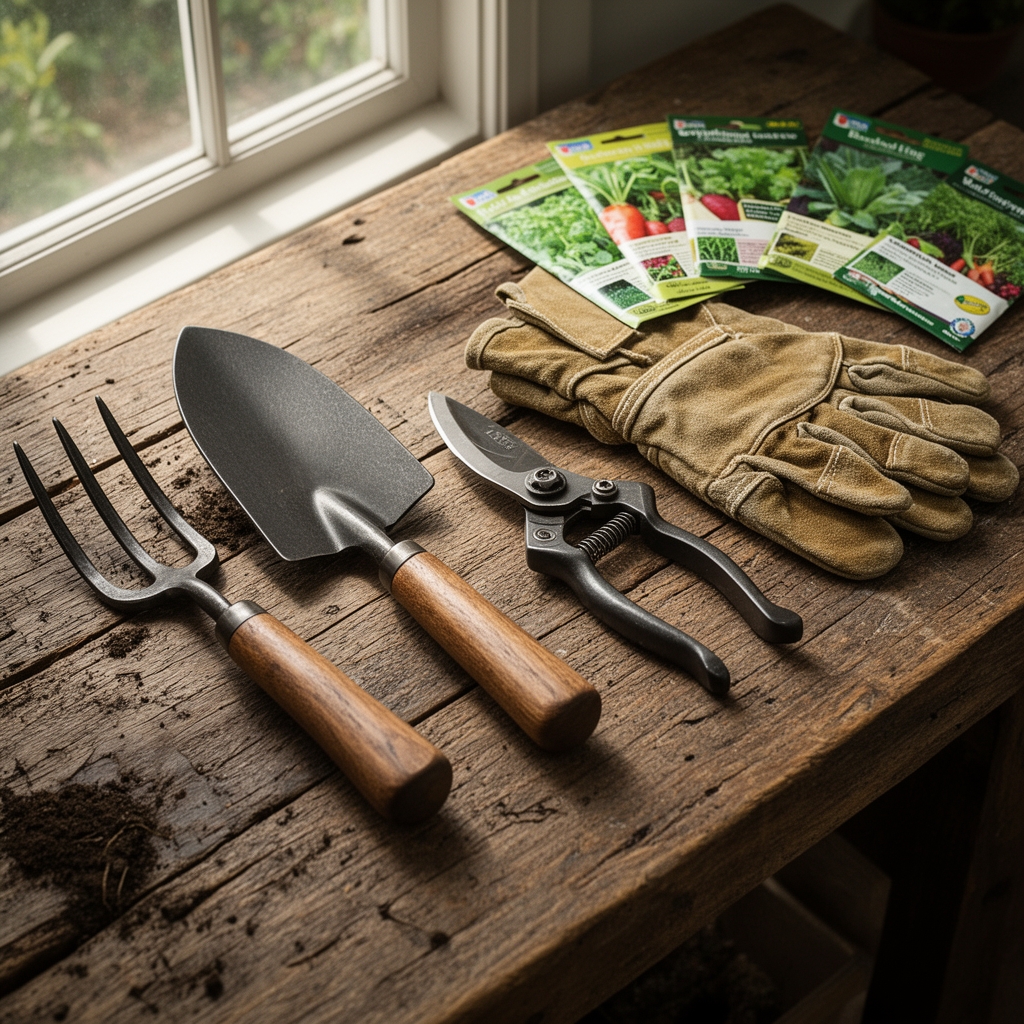
Select pressure-treated lumber rated for ground contact (minimum 0.40 PCF retention). Cedar and redwood contain natural extractives that resist decomposition without chemical treatment. Avoid pine unless protected with copper azole preservatives.
Hardware requires galvanized or stainless steel to prevent oxidation in humid environments. Use 3-inch strap hinges rated for 50-pound loads. Gate latches should feature gravity-assist mechanisms that engage without manual alignment. For fasteners, choose 3-inch exterior screws (8-gauge minimum) rather than nails to maintain joint integrity through freeze-thaw cycles.
Wire mesh or hardware cloth (1/2-inch grid) excludes rabbits while permitting air circulation. Chicken wire deteriorates within three seasons. Choose 16-gauge welded wire for structural longevity.
Soil amendments near posts include bone meal (3-15-0 NPK) to buffer pH in acidic soils and promote root establishment of adjacent plantings. Apply gypsum (calcium sulfate) at 2 pounds per post hole to improve cation exchange capacity in clay substrates without altering pH.
Timing
Install gates between hardiness zone-specific frost dates when soil temperature exceeds 50 degrees Fahrenheit at 6-inch depth. In zones 3-5, schedule construction between May 15 and September 30. Zones 6-8 permit installation from April 1 through October 31. Zones 9-11 allow year-round construction but avoid monsoon periods when post holes fill with water.
Concrete footings require 72 hours to cure at temperatures above 40 degrees. Cold-weather installations demand extended cure times or calcium chloride accelerators mixed at 2 percent by weight.
Phases

Foundation Phase
Excavate post holes to 30 inches depth, extending 6 inches below local frost line. Diameter should measure three times the post width. Place 4 inches of crushed gravel at the base to facilitate drainage and prevent frost heave.
Set posts plumb using a 48-inch level on two adjacent faces. Backfill with concrete mixed to 4,000 PSI rating. Allow posts to extend 48 inches above grade for a 36-inch gate with hardware clearance.
Pro-Tip: Inoculate the soil adjacent to posts with mycorrhizal fungi (Glomus intraradices) at 1 teaspoon per cubic foot. This establishes symbiotic networks that improve nutrient uptake in perennial plantings bordering the gate.
Frame Assembly Phase
Cut horizontal rails from 2×4 lumber at a length 4 inches less than the distance between posts. This gap accommodates hinges and prevents binding. Position the top rail 2 inches below the post cap. Space the bottom rail 6 inches above grade to prevent moisture wicking.
Create a diagonal brace running from the bottom hinge-side corner to the top latch-side corner. This orientation transfers weight toward the hinge, preventing sag. Secure joints with two screws per connection point, drilling 1/8-inch pilot holes to prevent splitting.
Pro-Tip: Apply auxin-based wood hardener to cut ends before assembly. This penetrates 1/4 inch into end grain and reduces moisture absorption by 60 percent.
Mesh Installation Phase
Stretch hardware cloth across the frame interior. Fasten with fence staples every 6 inches, driving at 45-degree angles to maximize holding power. Overlap mesh edges by 2 inches at joints, securing both layers to prevent predator access.
Mount strap hinges with the long strap on the gate and the short strap on the post. Position the top hinge 6 inches from the top rail and the bottom hinge 8 inches from the bottom rail. This asymmetric placement distributes dynamic loads during opening cycles.
Pro-Tip: Apply graphite powder (not oil-based lubricant) to hinge pins. Graphite resists temperature fluctuation and does not attract dust that accelerates wear.
Troubleshooting
Symptom: Gate drags on ground after one season.
Solution: Hinges have pulled from post due to inadequate fastener length. Replace with 4-inch lag bolts extending through the post thickness. Add a wheel on the latch-side bottom corner.
Symptom: Latch fails to engage in cold weather.
Solution: Moisture expansion has swollen the gate frame. Plane 1/8 inch from the latch-side vertical edge. Apply two coats of marine-grade spar varnish.
Symptom: Wire mesh separates from frame.
Solution: Staples have corroded or pulled through. Replace with galvanized U-nails driven into pre-drilled holes. Space fasteners at 4-inch intervals.
Symptom: Posts lean toward gate after winter.
Solution: Frost heave has lifted footings. Excavate around posts and pour concrete collars 12 inches below original depth.
Maintenance
Inspect hinges quarterly. Tighten fasteners showing more than 1/8-inch play. Apply graphite powder annually before the first frost.
Clean mesh monthly during growing season. Use a stiff brush to remove soil and plant debris that restricts airflow.
Reapply wood preservative every 24 months to horizontal surfaces where water accumulates. Sand lightly (120-grit) before application to open wood pores.
Check post plumb each spring using a 48-inch level. Correct deviations exceeding 1 degree within 15 degrees of vertical.
FAQ
What gate width accommodates contractor wheelbarrows?
36 inches clear opening handles models with 8-cubic-foot capacity. Measure your specific equipment loaded to verify clearance.
Should gates swing inward or outward?
Outward swing prevents wheelbarrow collisions with gate edges during entry. Inward swing protects latches from livestock pressure.
Can I use untreated lumber?
Untreated wood fails within 18-36 months in ground contact. Above-grade components last 5-7 years untreated in dry climates.
How do I prevent gap widening between gate and post?
Install a gate spring that applies 3-5 pounds of closing tension. This maintains contact with the latch plate and excludes small pests.
What is the minimum concrete depth for stability?
30 inches or 6 inches below frost line, whichever is deeper. Shallow footings heave annually and compromise gate alignment.