8 Expert Tips to Prepare a Small Space for High-Density Growth
Learning how to prepare a garden for a small vegetable garden transforms even a 4-by-8-foot plot into a productive system. The scent of freshly amended soil, dark and crumbly between your fingers, signals the beginning of high-density cultivation. Every square inch matters when space is limited. Proper bed preparation, nutrient stratification, and root-zone architecture determine whether you harvest 12 pounds or 40 pounds of produce from the same footprint.
Materials
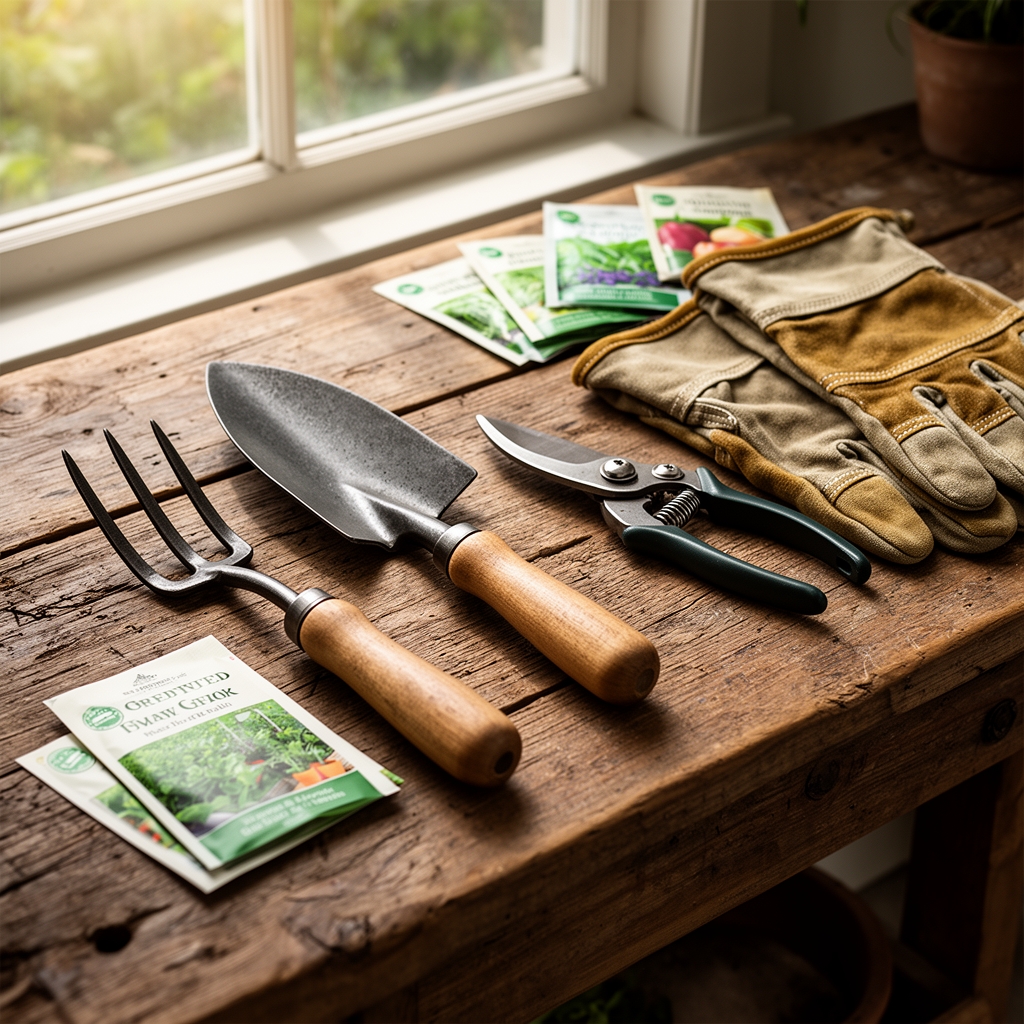
High-density systems demand precision inputs. Begin with a bagged organic amendment rated 4-4-4 or 5-3-2 for balanced NPK delivery. Feather meal (12-0-0) provides slow-release nitrogen over 8 to 12 weeks. Bone meal (3-15-0) supports fruiting crops like tomatoes and peppers. Rock phosphate (0-3-0) activates when soil pH falls between 6.2 and 6.8, the optimal range for cation exchange capacity in vegetable production.
Incorporate 2 cubic feet of aged compost per 4-by-4-foot bed. Compost buffers pH swings and introduces beneficial bacteria. Add perlite or rice hulls at a 1:4 ratio to native soil if drainage is poor. Mycorrhizal fungi inoculant, applied at transplant, colonizes root hairs and extends phosphorus uptake by 300 percent in sandy or low-organic soils.
A soil test kit with cation exchange capacity reading costs less than $20. Target a CEC of 10 to 20 meq/100g for sustained nutrient retention. If pH exceeds 7.2, apply elemental sulfur at 1 pound per 100 square feet. If pH drops below 5.8, use dolomitic lime at 5 pounds per 100 square feet.
Timing
Frost dates anchor the calendar. Locate your USDA Hardiness Zone and note the last spring frost average. Zone 5 gardeners seed cool-season greens like spinach and kale four weeks before the last frost. Zone 7 gardeners can start six weeks earlier. Warm-season crops, including tomatoes, peppers, and cucumbers, transplant only after soil temperature stabilizes at 60°F or higher. Use a digital soil thermometer at 4-inch depth to confirm.
Plan succession sowings every 14 days for lettuce, radishes, and bush beans. Stagger plantings to avoid harvest gluts and extend yield windows from late April through October in temperate climates. Heat-sensitive crops like cilantro and arugula bolt when daytime highs exceed 80°F. Schedule these for early spring and again in late summer.
Phases
Sowing Phase
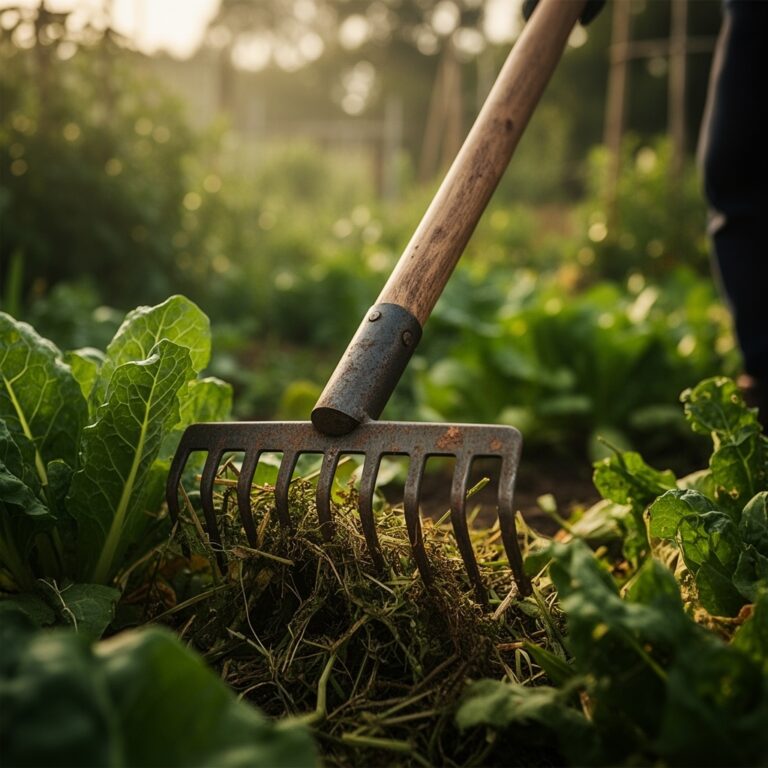
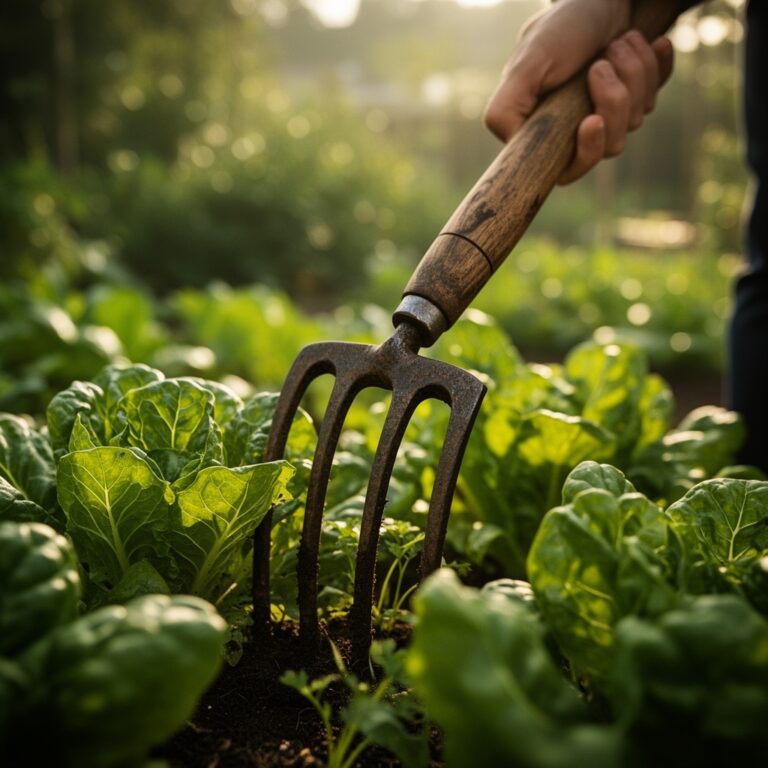
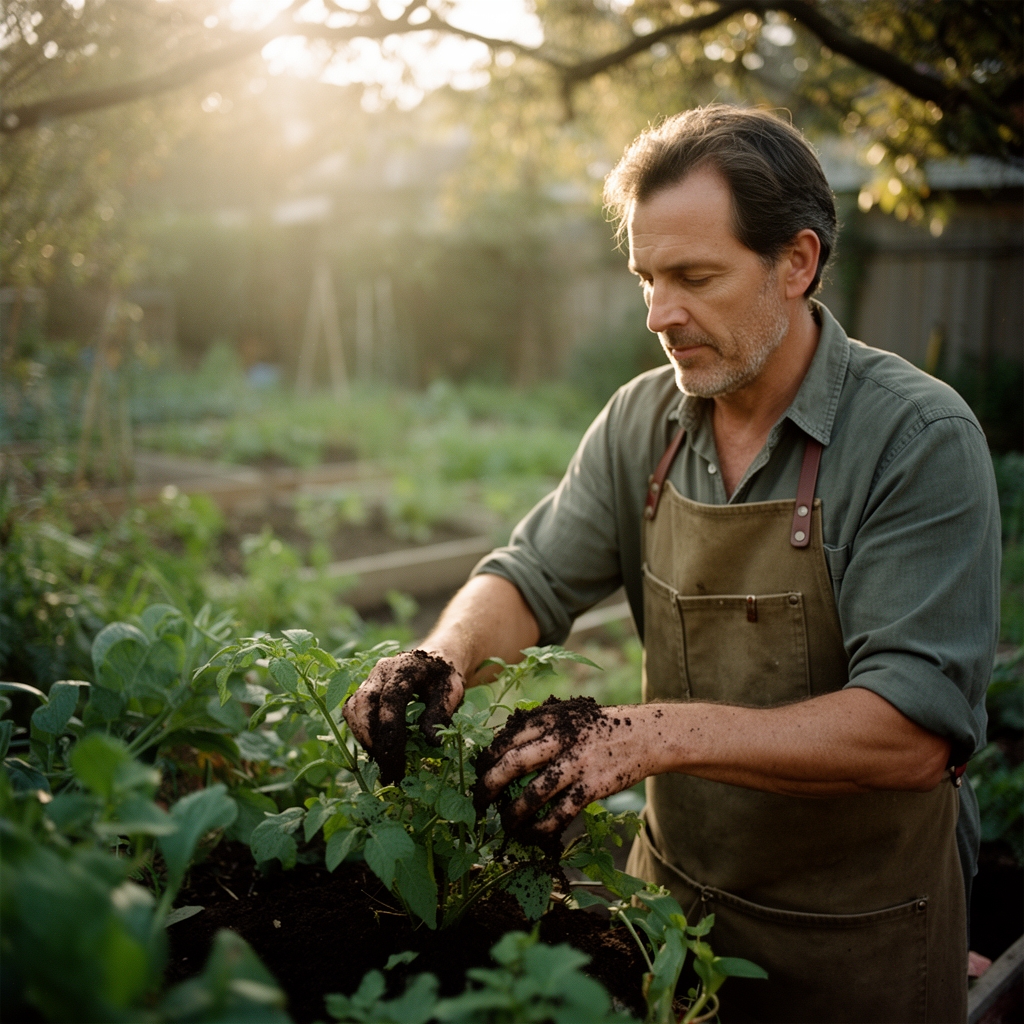
Remove existing vegetation and loosen soil to 12 inches deep using a broadfork. Avoid rototilling in small spaces; it disrupts soil structure and buries weed seeds that later germinate. Spread 2 inches of aged compost across the bed surface. Broadcast the 4-4-4 organic blend at 2 pounds per 100 square feet, then rake smooth.
Direct-sow carrots, beets, and radishes at depths three times their seed diameter. Space rows 6 inches apart in high-density blocks rather than traditional rows. This formation shades soil, reducing water loss by 20 percent.
Pro-Tip: Mix fine carrot seed with dry sand at a 1:10 ratio. This prevents overseeding and eliminates excessive thinning.
Transplanting Phase
Harden off seedlings over seven days by gradually increasing outdoor exposure. Start with two hours of morning sun, then add two hours daily. Transplant on overcast afternoons to minimize transplant shock.
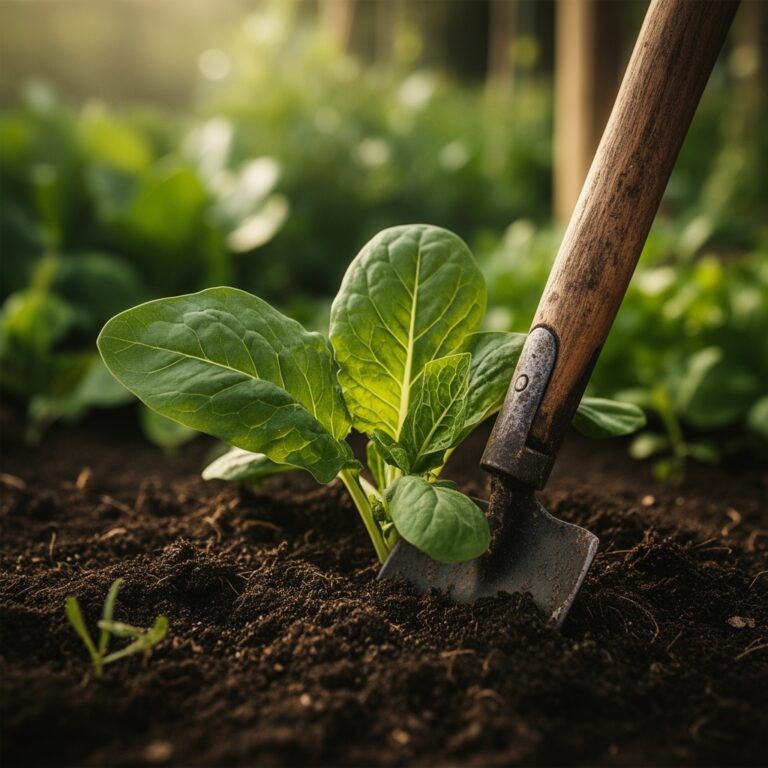
Dig holes twice the root ball width. Add 1 tablespoon of mycorrhizal inoculant directly to each planting hole. Firm soil around the base to eliminate air pockets that desiccate roots. Water with a dilute fish emulsion solution (2-3-1 NPK) at 1 tablespoon per gallon to stimulate auxin distribution and root branching.
Pro-Tip: Bury tomato stems horizontally up to the first true leaves. Adventitious roots form along the buried stem, doubling root mass within 10 days.
Establishing Phase
Monitor soil moisture at root depth, not surface level. Insert a finger 3 inches into soil; if dry, irrigate until water penetrates 6 inches. Mulch with 2 inches of straw or shredded leaves to regulate temperature and suppress weeds.
Install vertical supports for indeterminate tomatoes and pole beans within 48 hours of transplant. Delayed staking damages root systems. Prune tomato suckers at a 45-degree angle below the first fruit cluster to redirect energy toward fruiting rather than vegetative growth.
Pro-Tip: Apply foliar kelp spray (0-0-1 NPK plus trace minerals) every 14 days during establishment. Spray at dawn when stomata open, ensuring maximum absorption.
Troubleshooting
Symptom: Yellowing lower leaves with green veins on tomatoes and peppers.
Solution: Magnesium deficiency. Dissolve 1 tablespoon Epsom salt per gallon of water and drench the root zone. Repeat every 10 days until color returns.
Symptom: Blossom end rot on tomatoes and squash.
Solution: Calcium deficiency linked to inconsistent watering. Maintain even moisture. Side-dress with gypsum (calcium sulfate) at 2 pounds per 100 square feet.
Symptom: Wilting plants despite moist soil, especially in cucurbits.
Solution: Squash vine borer larvae. Slice stem lengthwise at the base, remove larvae, and mound soil over the wound to encourage secondary rooting.
Symptom: Stunted growth and purple-tinged leaves in seedlings.
Solution: Phosphorus lockout due to cold soil. Wait until soil reaches 60°F or apply liquid phosphorus (0-5-0) as a foliar feed.
Symptom: Holes in leaves with silvery trails.
Solution: Slugs. Apply diatomaceous earth around plant bases or set beer traps at soil level.
Maintenance
Deliver 1 inch of water per week, measured with a rain gauge. Deep watering twice weekly outperforms shallow daily watering by encouraging roots to grow downward. Install drip irrigation on a timer for consistency.
Side-dress heavy feeders like tomatoes and squash with compost tea every three weeks. Brew tea by steeping 2 pounds of compost in 5 gallons of water for 24 hours, aerating with an aquarium pump.
Scout for pests every morning. Remove aphids with a strong jet of water. Handpick hornworms and cucumber beetles. Rotate crop families annually to break pest and disease cycles.
FAQ
How deep should I prepare soil for root vegetables?
Loosen soil to 12 inches for carrots and parsnips. Shallow beds cause forked, twisted roots.
Can I plant tomatoes and peppers together?
Yes. Both are Solanaceae family members with similar nutrient and water needs. Space 18 inches apart.
What is the best fertilizer ratio for leafy greens?
Use higher nitrogen blends like 5-2-2 or 10-5-5. Apply every four weeks at half strength.
When should I harvest for maximum nutrient density?
Harvest leafy greens in early morning when sugar content peaks. Pick fruiting crops at color break for best flavor.
How do I prevent soil compaction in small beds?
Never step on planted areas. Use permanent pathways or stepping stones to distribute weight.