7 Professional Ways to Prepare a Large-Scale Vegetable Garden
The cool morning air carries the scent of freshly turned earth, dark loam rich with decomposed matter and alive with microorganisms. Professional-scale food production begins months before the first seed contacts soil, when experienced growers assess drainage patterns, test cation exchange capacity, and map sun exposure across each zone of their future plot. Learning how to prepare a garden for a large vegetable garden separates casual hobbyists from producers who harvest thousands of pounds per season. This process demands systematic soil remediation, strategic nutrient loading, and infrastructure installation that supports intensive cultivation across multiple crop families.
Materials and Amendments
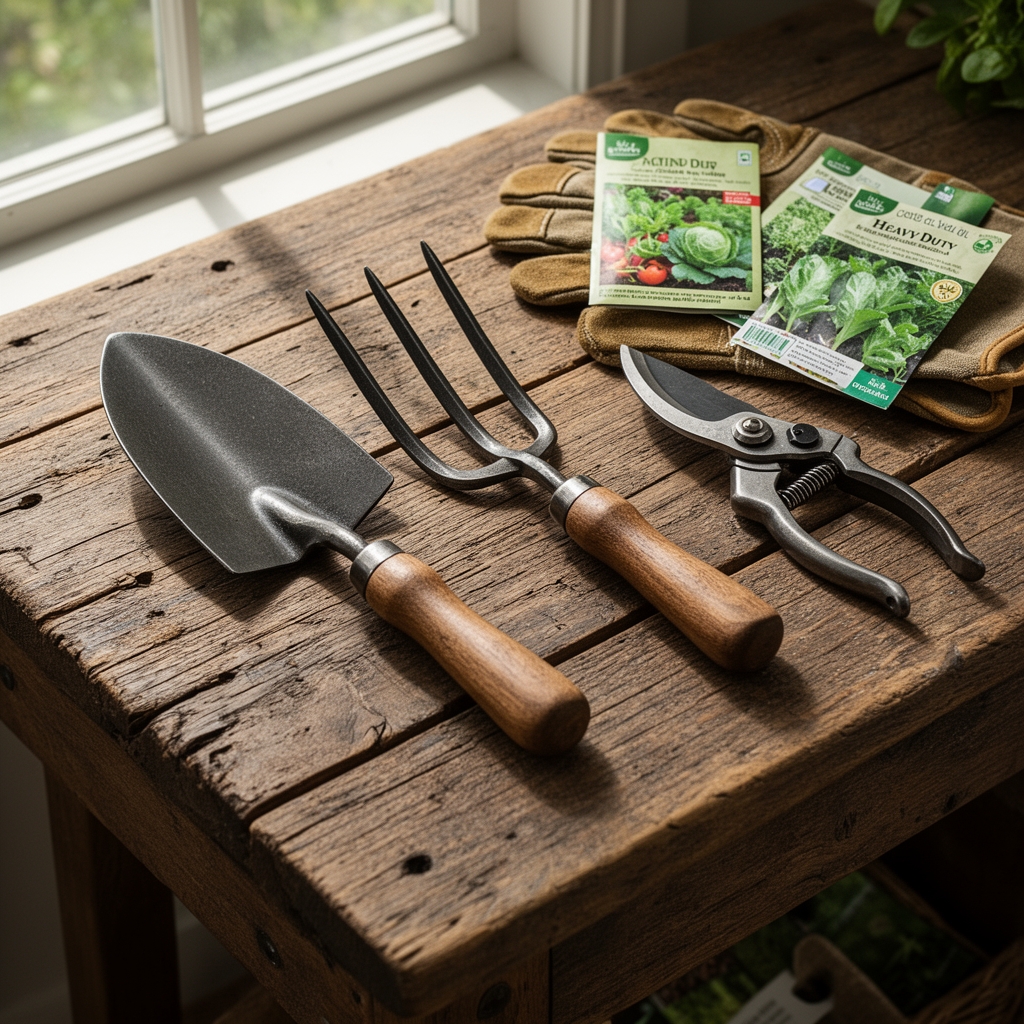
Begin with laboratory soil analysis. Labs return data on pH, nitrogen (N), phosphorus (P), potassium (K), calcium, magnesium, and trace minerals. Target pH of 6.2 to 6.8 suits most vegetable crops, though brassicas tolerate 6.5 to 7.0, and solanaceae prefer 6.0 to 6.5.
For nitrogen deficiency, incorporate blood meal (12-0-0) at 2 pounds per 100 square feet or feather meal (12-0-0) for slower release over eight weeks. Phosphorus correction requires bone meal (3-15-0) or rock phosphate (0-3-0), applied at 3 to 5 pounds per 100 square feet when tests show levels below 30 ppm. Potassium shortfalls respond to greensand (0-0-3) or sul-po-mag (0-0-22) at 1 to 2 pounds per 100 square feet.
Balanced organic meals such as 4-4-4 or 5-5-5 blends supply broad-spectrum nutrition. Apply at 4 to 6 pounds per 100 square feet and incorporate to 8-inch depth. Compost adds humus and improves water retention; spread 2 to 3 inches across entire planting areas. Mycorrhizal inoculants at transplant establish symbiotic root networks that increase phosphorus uptake by 40 to 60 percent.
Lime raises pH when below 6.0. Calcitic lime adds calcium, dolomitic lime adds calcium and magnesium. Apply at rates determined by soil test, typically 5 to 10 pounds per 100 square feet for each 0.5 pH unit adjustment. Sulfur lowers pH above 7.0 at 1 to 2 pounds per 100 square feet per 0.5 unit decrease.
Timing Windows by Hardiness Zone
Zones 3 to 5 permit soil work when frost exits to 6-inch depth, typically late April through May. These northern regions offer a 90- to 120-day growing window. Amend soils four to six weeks before last frost date to allow microbial populations to colonize new organic matter.
Zones 6 to 7 feature mid-March to April preparation windows, with 150- to 180-day seasons. Fall amendment (September to October) provides superior results, as freeze-thaw cycles break down organic particles and integrate minerals into soil structure.
Zones 8 to 10 allow year-round cultivation but require summer fallow periods. Amend in late summer (August to September) for fall and winter crops, and again in January for spring plantings. High temperatures accelerate organic matter decomposition, necessitating annual compost applications of 3 to 4 inches.
Preparation Phases
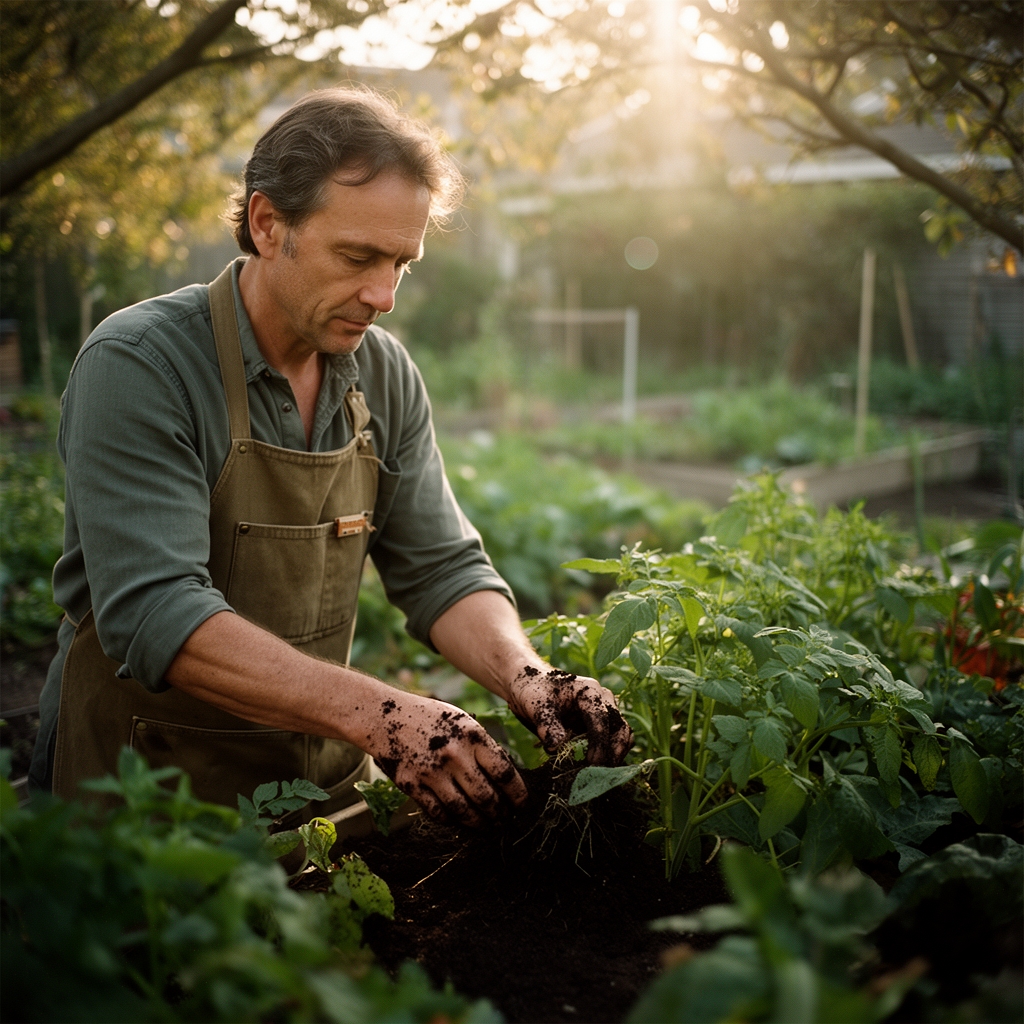
Phase One: Site Clearing and Initial Tillage
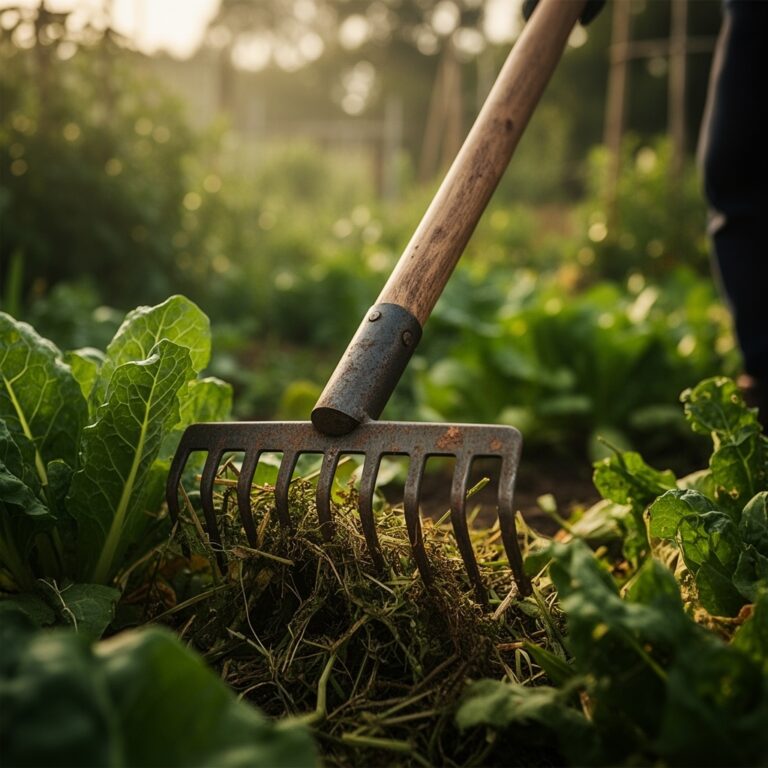
Remove perennial weeds by root excavation. Mow or scythe annual vegetation to 2-inch height. Till to 10- to 12-inch depth using a rotary tiller or moldboard plow. Remove rocks larger than 2 inches diameter. Rake debris into windrows for removal or composting.
Pro-Tip: Schedule initial tillage when soil moisture reaches 50 to 60 percent of field capacity. Squeeze a handful; it should form a ball that crumbles under light pressure. Wet soil compacts, dry soil forms clods.
Phase Two: Amendment Integration
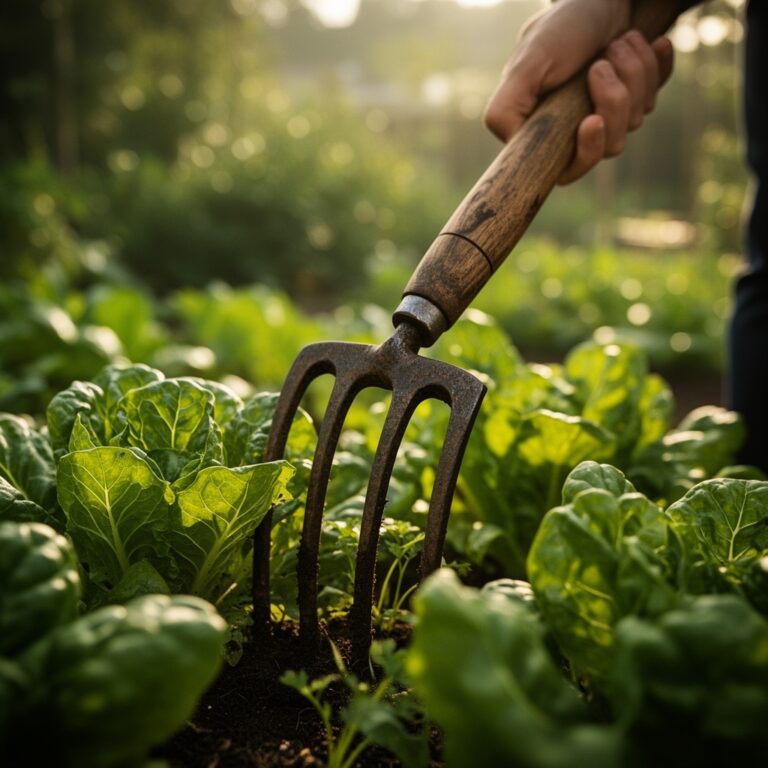
Broadcast lime or sulfur first, as these materials move slowly through soil profile. Apply compost in 2- to 3-inch layer. Spread granular fertilizers and mineral amendments evenly. Till again to 8-inch depth, creating thorough integration. Rake smooth and water to settle.
Pro-Tip: Inoculate compost with Trichoderma harzianum at 1 gram per cubic yard to suppress soil-borne pathogens. Mix 48 hours before spreading to allow colonization.
Phase Three: Bed Formation and Pathways
Permanent raised beds (30 to 36 inches wide, 8 to 12 inches high) reduce compaction and improve drainage. Space beds with 18- to 24-inch pathways. Install drip irrigation lines beneath 1 to 2 inches of soil surface. Cover pathways with 4 inches of wood chips or straw to suppress weeds and maintain clean access during wet conditions.
Pro-Tip: Shape bed tops with a slight crown (1-inch rise at center) to shed excess rain and prevent anaerobic pockets that damage root systems.
Troubleshooting Common Disorders
Symptom: Yellowing lower leaves with green veins (chlorosis)
Solution: Iron deficiency from high pH. Apply chelated iron (Fe-EDTA) at 1 ounce per 100 square feet as foliar spray or soil drench. Re-test pH and correct with sulfur for long-term resolution.
Symptom: Purple leaf undersides, stunted growth
Solution: Phosphorus lockout below 60°F soil temperature or pH above 7.2. Warm soil with black plastic mulch. Apply liquid phosphorus (0-5-0) as root drench at 2 tablespoons per gallon weekly until symptoms resolve.
Symptom: Blossom end rot (dark, sunken spots on tomato or pepper fruits)
Solution: Calcium transport disruption from irregular watering. Maintain consistent soil moisture at 65 to 75 percent field capacity. Foliar calcium chloride sprays (1 tablespoon per gallon) provide immediate calcium to developing fruits.
Symptom: Wilting despite moist soil
Solution: Root rot from Pythium or Phytophthora. Improve drainage with sand (1 part sand to 2 parts native soil) or raise beds. Drench with biological fungicide containing Bacillus subtilis at label rates.
Symptom: Holes in leaves, slime trails
Solution: Slug feeding. Apply iron phosphate bait at 1 pound per 1,000 square feet. Create barriers with copper tape around bed perimeters.
Maintenance Protocols
Provide 1 to 1.5 inches of water weekly through drip irrigation or soaker hoses. Water early morning to reduce foliar disease pressure. Monitor soil moisture at 4-inch depth with a probe or finger test.
Side-dress heavy feeders (tomatoes, corn, brassicas) with 1 tablespoon of 5-5-5 per plant every three weeks. Apply 2 inches from stem base to prevent nitrogen burn. Foliar feed with kelp extract (1 tablespoon per gallon) biweekly to supply trace minerals and natural auxins that promote cell division.
Mulch with 2 to 3 inches of straw or shredded leaves to suppress weeds, moderate soil temperature, and retain moisture. Replenish mulch mid-season as decomposition occurs.
Scout for pests twice weekly. Hand-pick large insects. Apply Bacillus thuringiensis (Bt) for caterpillar pressure at 1 tablespoon per gallon, spraying upper and lower leaf surfaces. Introduce beneficial insects (lacewings, parasitic wasps) at 500 to 1,000 per 5,000 square feet for aphid and whitefly control.
Frequently Asked Questions
How deep should I till when learning how to prepare a garden for a large vegetable garden?
Till to 10 to 12 inches for initial preparation, then 6 to 8 inches for amendment integration. Deep tillage breaks hardpan layers and improves root penetration.
Can I plant immediately after amending soil?
Wait 10 to 14 days after final tillage. This allows soil structure to settle and microbial populations to stabilize around new organic matter inputs.
What NPK ratio works best for mixed vegetable gardens?
Balanced formulations (5-5-5 or 4-4-4) suit diverse crop needs. Adjust with targeted amendments for specific plants: extra nitrogen for leafy greens, additional phosphorus for root crops.
How often should I re-test soil?
Test annually before spring preparation. High-intensity production depletes nutrients rapidly, requiring data-driven amendment decisions rather than guesswork.
Should I use synthetic or organic fertilizers?
Organic sources (meals, composts) improve soil structure and feed beneficial microbes but release nutrients slowly. Synthetics provide immediate availability but contribute nothing to long-term soil health. Combine both for optimal results: organic base applications with synthetic supplements for fast-growing crops during peak demand.